You've booked your flights from Heathrow. You've got two weeks. You've narrowed it down to two: Cebu or Palawan. Every Philippines forum you've visited has given you a different answer, and you're none the wiser. Here's the thing — both islands are extraordinary, but they are genuinely different experiences, and which one is right for you depends entirely on what kind of British holiday you're after. Let's settle this properly.
Cebu vs Palawan: Which Philippine Island for Your British Summer Holiday?
Trip.com
Search on Trip.comHotels in Palawan
Compare live prices via Travelpayouts — targeted for this guide.
Getting There from the UK: Flights to Cebu vs Palawan
Both destinations require you to fly into Manila first on your long-haul from the UK, then catch a domestic connection. Here's what the routing looks like:
Cebu (Mactan-Cebu International Airport, CEB): Manila to Cebu is one of the busiest domestic routes in Asia. Cebu Pacific, AirAsia Philippines, and Philippine Airlines all fly it multiple times daily. Flight time is 1 hour 10 minutes. Fares run PHP 800–2,500 one-way (£11–35) if booked in advance. The airport is modern and efficient — you can easily make a same-day connection from Manila.
Palawan (Puerto Princesa or El Nido): Manila to Puerto Princesa (PPS) takes 1 hour 20 minutes; Manila to Lio Airport (El Nido) takes about 1 hour on AirSwift's small prop planes. The El Nido option is expensive — AirSwift fares run PHP 4,500–8,000 one-way (£60–110) — but saves you the five-hour van transfer from Puerto Princesa. For Coron (northern Palawan), fly Manila to Francisco B. Reyes Airport (USU), about 1 hour. Factor in that Palawan's smaller airports mean earlier check-in requirements and occasional delays.
Trip.com
See all tours in Palawan on Trip.comTours & activities in Palawan
Hand-picked experiences in Palawan — book on Trip.com with instant confirmation.
Bottom line on routing: Cebu is easier to reach from Manila and has more flight options. Palawan requires a bit more logistical planning but the extra effort is amply rewarded.
The Weather Question: UK Peak Holiday Months (July–August)
If you're locked into July or August because of school holidays or work leave — and most British travellers are — this is where the choice gets interesting and a bit complicated.
Palawan in July–August: Northern Palawan (El Nido, Coron) is hit by the southwest monsoon (Habagat) during these months. The South China Sea gets rough, island-hopping boat tours are frequently cancelled or shortened, and some tour operators suspend small-bangka operations entirely. You can still visit Palawan in July–August, but you risk having your main reason for going (the lagoons and island hopping) weather-dependent. Puerto Princesa's Underground River and inland sights remain accessible, but the iconic boat tours are a gamble.
Cebu in July–August: Cebu sits more centrally in the Visayas and is less exposed to the southwest monsoon than Palawan. Moalboal's sardine run is year-round. Kawasan Falls is accessible regardless of season. Cebu City is a major hub with all-weather activities. However, typhoons that track across the Visayas can disrupt travel in August — though direct hits on Cebu City are relatively infrequent historically. Siargao (reachable via a short flight from Cebu) is actually at its best in July–August for surfers.
If you're going January–May (the dry season): Both islands are at their absolute best. Palawan's lagoons sparkle, El Nido's seas are flat calm, and Cebu's visibility underwater is outstanding. This is the recommended window for either destination.
Palawan: For Nature Lovers and the Romantic Diver
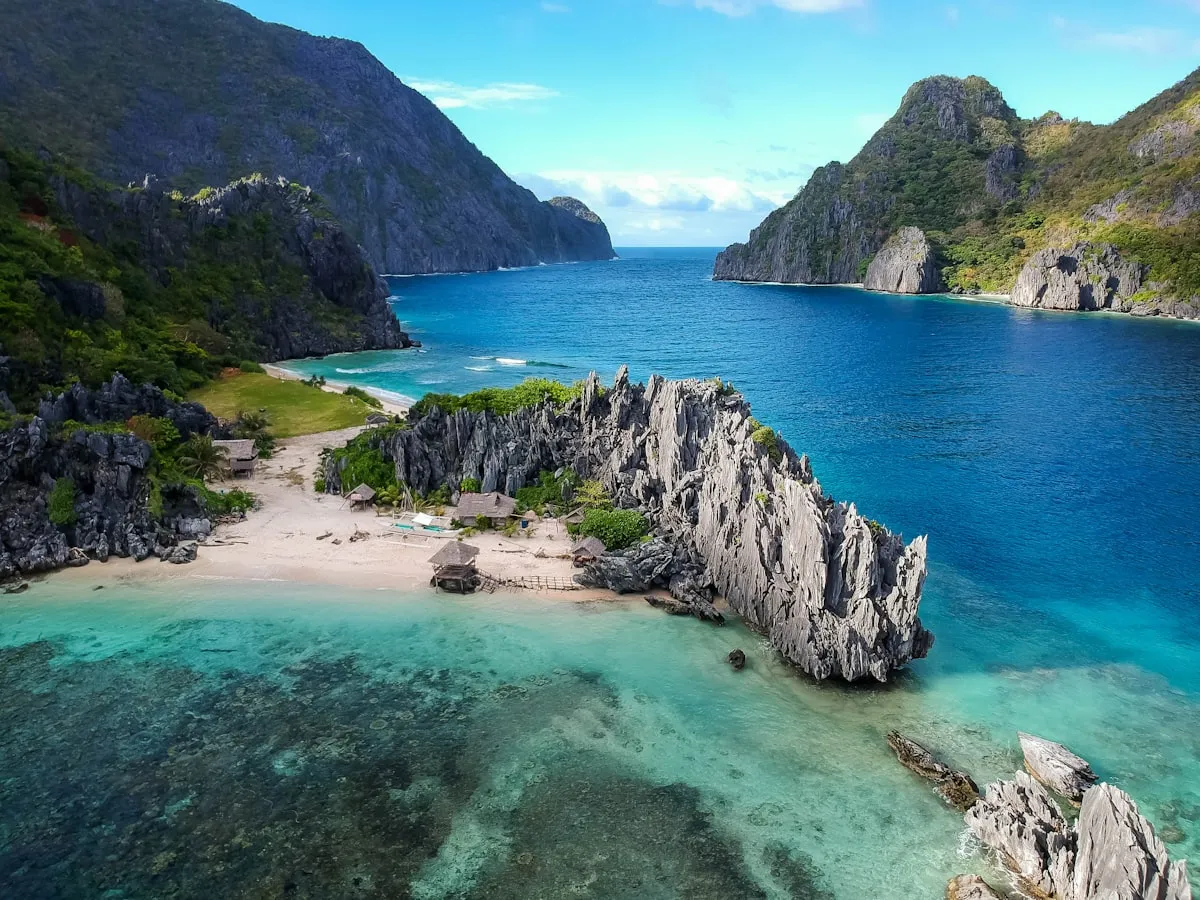
Palawan consistently tops global "best island" lists — and for good reason. This long, narrow island running southwest from Luzon is one of the most biodiverse places on Earth, with a UNESCO World Heritage Site underground river, some of the world's most dramatic limestone karst scenery, and marine biodiversity that rivals the Coral Triangle.
El Nido
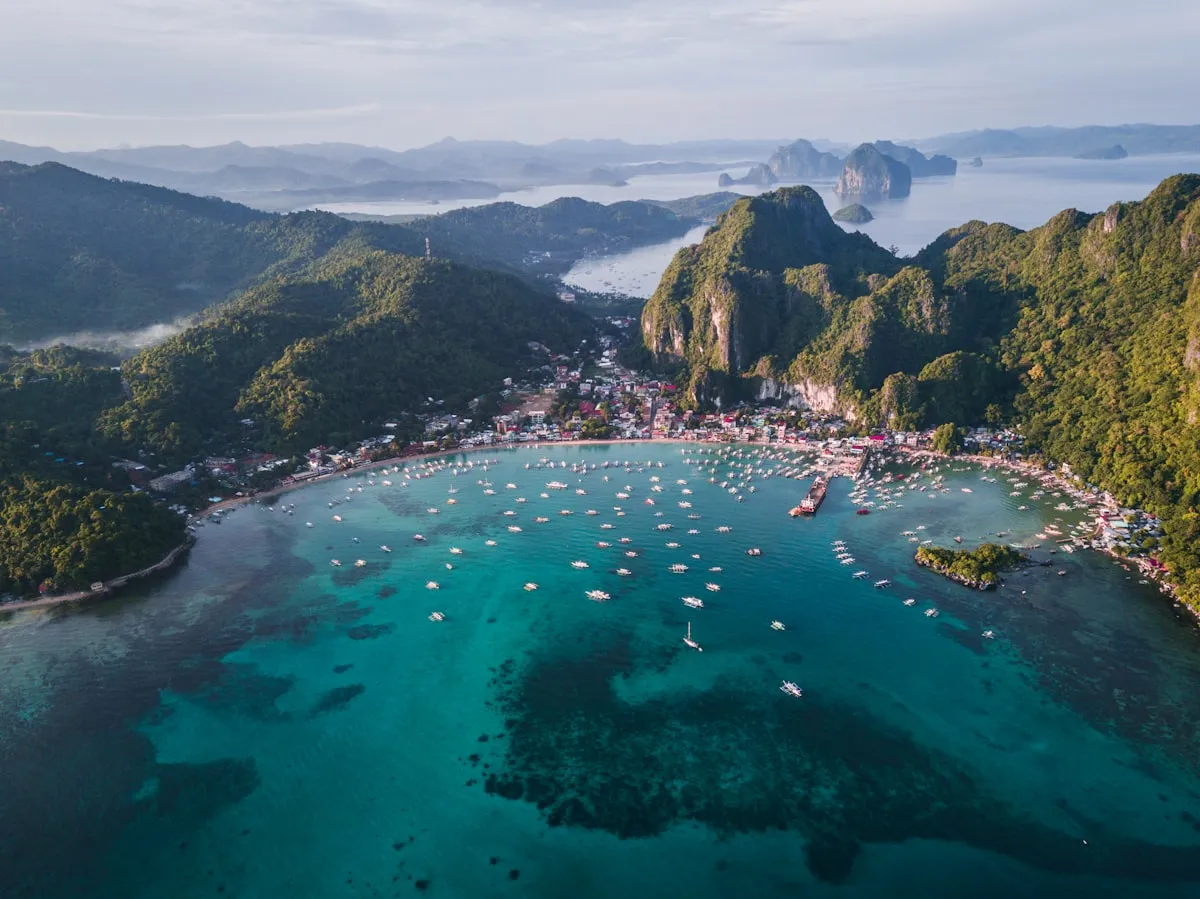
The jewel of northern Palawan. Massive limestone cliffs rising from impossibly clear water. Hidden lagoons accessible only by swimming through rock crevices. Tour A — the Big and Small Lagoon circuit — is one of the defining travel experiences in Southeast Asia. The town itself is a cheerful, low-key collection of guesthouses, seafood restaurants, and dive shops clustered on a strip of white beach. It's busy in peak season but never feels overwhelming.
Coron
Forty-five minutes by ferry or prop plane from El Nido (or a 4-hour fast ferry). Coron is Palawan's wreck-diving capital — the bay holds 12 Japanese WWII warships sunk during a 1944 US air raid, now encrusted in coral and home to clouds of fish. Even non-divers love Coron: Kayangan Lake (frequently voted Asia's cleanest lake) and Twin Lagoon are snorkelling highlights. The pace here is slightly slower than El Nido.
Puerto Princesa
The Palawan capital and main arrival airport. Worth a night for the Underground River (a UNESCO World Heritage Site — a navigable underground river through towering cathedral caves), then move on to El Nido or Coron.
Palawan is best for: Nature-focused travellers. Couples wanting romantic seclusion. Serious divers and snorkellers. Photographers. Anyone whose primary goal is the lagoon experience they've seen on Instagram. Budget: expect to spend more on tours and accommodation than Cebu — island-hopping tours run PHP 1,200–2,000 (£16–27) per person, and accommodation in El Nido averages PHP 2,500–5,000/night (£33–67) for a good guesthouse.
Cebu: For Activities, Culture and Island-Hopping Variety
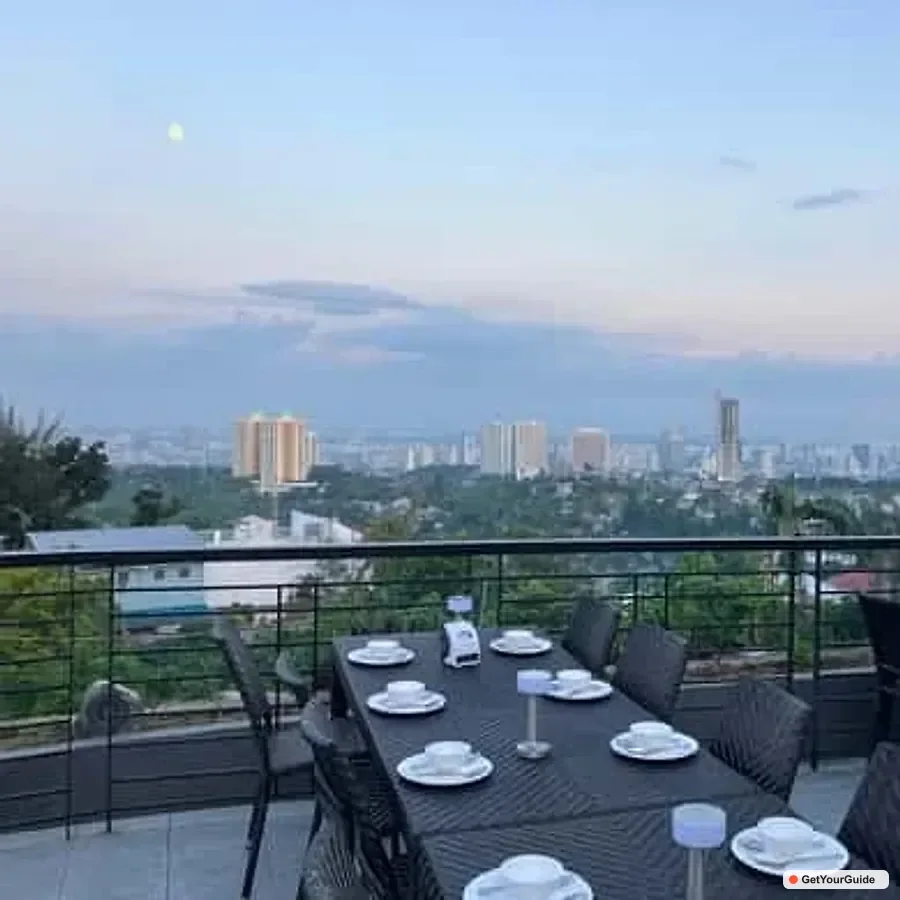
Cebu is the Philippines' second city in all but official designation. Cebu City is a proper metropolis — shopping malls, excellent restaurants, a vibrant nightlife, and the Sinulog Festival (January) which is one of Asia's great street parties. But Cebu province extends far beyond the city, encompassing one of the most varied adventure landscapes in the archipelago.
Cebu City and Mactan
A night or two in the city before heading south. See Magellan's Cross (where Ferdinand Magellan planted a cross in 1521), the Basilica Minore del Santo Nino (the oldest Catholic church in the Philippines), and eat lechon — the whole roasted pig that Cebu is famous for nationally. Anthony Bourdain called Cebu's lechon the best pig he'd ever had. He was right.
Moalboal
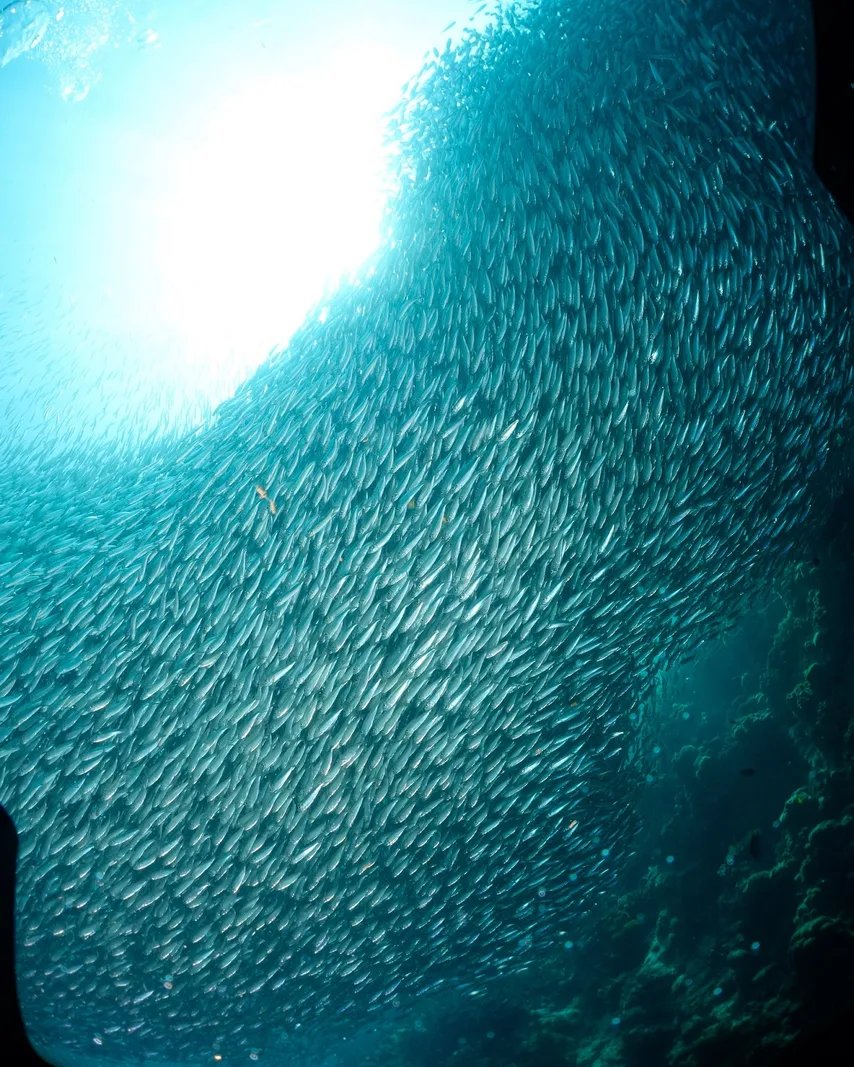
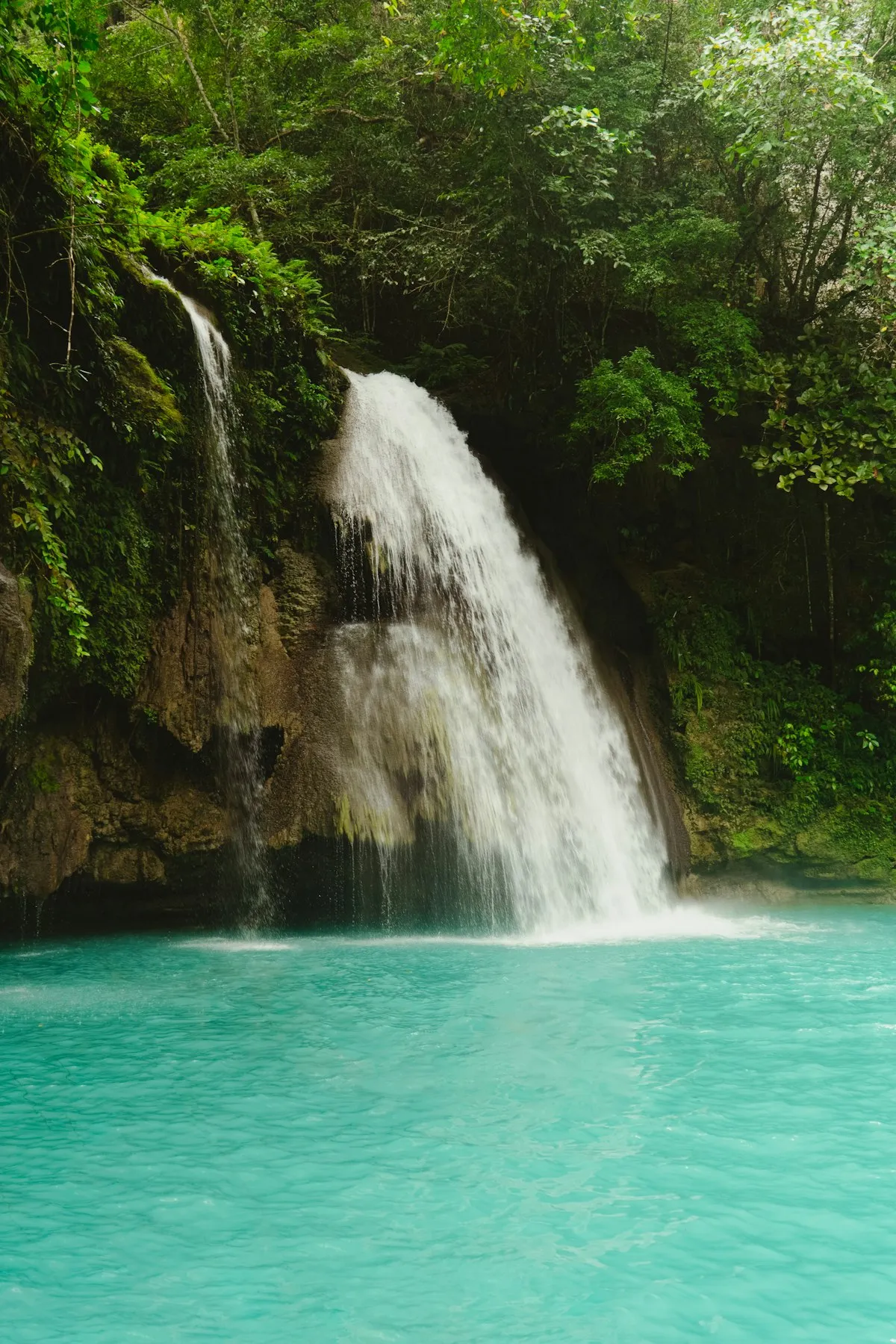
Two hours south of Cebu City by bus (PHP 120, about £1.65) or private transfer. Moalboal is famous for two things: the sardine run (a massive, shimmering school of tens of millions of sardines visible year-round just 15 metres from shore — no boat needed) and Kawasan Falls canyoneering. The falls canyoneering experience — jumping off cliffs into turquoise pools, sliding down natural rock waterslides, swimming through canyons — is one of the Philippines' great adventure activities. A full day costs PHP 1,500–2,200 (£20–30) including guide and equipment.
Oslob: Whale Shark Swimming
Further south from Moalboal, Oslob offers whale shark encounters that are controversial (the sharks are fed to keep them in place) but undeniably impressive — these are the largest fish on Earth, up to 12 metres long, and swimming alongside them is an extraordinary experience. Early morning tours cost PHP 1,000–1,500 (£13–20).
Malapascua Island
North of Cebu: a tiny island (20 minutes by bangka from Maya port) that is world-famous among divers for one reason — thresher sharks. Malapascua is one of the few places on Earth where you can see pelagic thresher sharks at a cleaning station regularly and reliably, typically at dawn dives on Monad Shoal. Non-divers love Malapascua for its deserted white-sand beach on Bounty Beach and its slow, friendly vibe.
Bohol
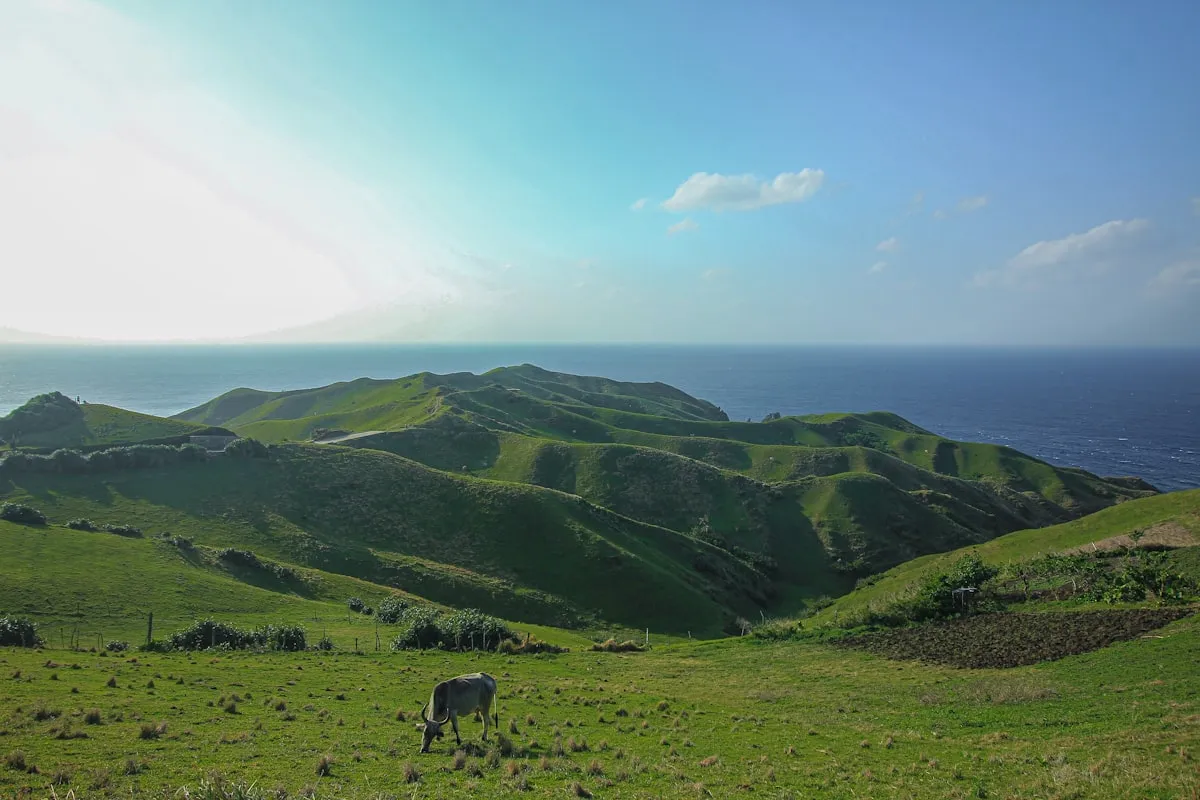
Technically a separate island, but easily reached by fast ferry from Cebu City (2 hours). Home to the Chocolate Hills (a UNESCO Tentative World Heritage Site — a landscape of 1,776 perfectly cone-shaped hills that turn brown in the dry season), the Philippine tarsier (the world's smallest primate, with eyes the size of its brain), and the Loboc River cruise. Most British travellers do Bohol as a day trip or overnight from Cebu.
Cebu is best for: First-time Philippines travellers who want variety. Groups with mixed interests (some want adventure, others want culture, others want beach). Families. Travellers on a tighter budget who want to do more with less. Budget: internal transport is cheaper, food is more abundant at all price points, and accommodation is more competitive due to the volume of options.
Price Comparison for British Travellers
| Category | Cebu | Palawan (El Nido) |
|---|---|---|
| Budget guesthouse (per night) | £12–22 (PHP 900–1,600) | £18–33 (PHP 1,300–2,400) |
| Mid-range hotel (per night) | £25–55 (PHP 1,800–4,000) | £40–90 (PHP 2,900–6,500) |
| Street food meal | £1.40–2.80 (PHP 100–200) | £2.10–4.20 (PHP 150–300) |
| Restaurant meal (mid-range) | £5–12 (PHP 360–870) | £8–18 (PHP 580–1,300) |
| Island hopping tour (full day) | £14–22 (PHP 1,000–1,600) | £16–27 (PHP 1,200–2,000) |
| Airport transfer / van ride | £1.40–8 (PHP 100–580) | £35–55 for PP to El Nido van |
| Overall daily spend (comfortable) | £45–80 | £65–110 |
Palawan runs approximately 20–40% more expensive than Cebu for comparable quality, primarily because of higher accommodation costs in El Nido (supply is limited by geography and a building height restriction) and the costly AirSwift flights.
British Food Options and Familiar Comforts
The Philippines is not a difficult destination for British palates. English is spoken, menus are in English, and Filipino cuisine is milder and more familiar to European tastes than Thai or Vietnamese food. That said:
In Cebu City you'll find everything — SM Seaside City and Ayala Center have full international food courts including Jollibee (a Filipino institution), Western fast food, Korean BBQ, and excellent international restaurants. There's a Marks and Spencer Food Hall in Ayala Center Cebu for any desperate moments of homesickness. Chocolate, biscuits, and familiar snacks are easily found.
In El Nido the dining scene is more limited by size, but surprisingly varied for a small beach town. Italian, Mediterranean, and American-style restaurants dot the main strip alongside excellent Filipino seafood. Imported beer (Heineken, Budweiser) is available everywhere. British staples like Heinz baked beans can occasionally be found in convenience stores but don't bank on it.
For British comfort food: Cebu City wins comprehensively. El Nido wins on fresh seafood, tropical fruit, and remarkable value for beach dining.
Safety: Both Are Safe for British Tourists
Both Cebu and Palawan are among the Philippines' safest destinations for foreign visitors. The usual precautions apply — don't flash expensive jewellery or cameras, be cautious with your phone on Grab (rideshare), use ATMs inside banks or malls rather than on the street. Neither destination is subject to FCDO advisories restricting travel. Solo female British travellers visit both islands regularly without incident, though standard common-sense precautions apply as they would anywhere.
What British Travel Bloggers Say
The consensus among British travel bloggers who've covered both: first-timers should do Cebu for variety and value; returning visitors should prioritise Palawan for the scenery. The lagoons of El Nido are genuinely in a different category aesthetically — they're what you see on every Philippines wallpaper for a reason. But Cebu's range of activities, better infrastructure, and lower costs make it the more satisfying introduction to the country.
Frequently Asked Questions
Can I visit both Cebu and Palawan in a 2-week trip from the UK?
Yes, and this is a popular combination. The usual routing is: Manila (1–2 nights) → El Nido via AirSwift (3–4 nights) → Coron (2 nights) → fly Coron to Cebu via Manila (2 nights Cebu City) → Moalboal (2 nights) → Bohol day trip → fly home via Manila. This itinerary is achievable in 13–14 days but requires reasonably smooth connections. Build in at least one buffer day to account for Philippine domestic flight variability.
Which is better for families with children — Cebu or Palawan?
Cebu is generally the more family-friendly choice. Mactan Island (next to Cebu airport) has resort hotels with pools specifically designed for families, shallow calm lagoons for young children, and easy access to activities that suit a range of ages. El Nido's island hopping is magical but involves open-water boat travel that can be rough in the afternoon; it's better suited to older children and adults. For families, base at a Mactan resort and day-trip to Moalboal and Bohol.
Which has better diving — Cebu or Palawan?
Both are world-class, but for different reasons. Palawan (specifically Coron and Tubbataha Reef) is the choice for wreck divers and those seeking pristine macro biodiversity on remote reefs. Cebu (specifically Malapascua for threshers, Moalboal for sardines, and Oslob for whale sharks) wins for consistent, accessible, boat-dive-from-shore experiences. Cebu also has the more developed dive infrastructure with lower prices for PADI courses. A combined Cebu + Coron wreck diving trip is the ultimate Philippines diving itinerary for British divers.
Is Palawan worth the extra cost for British travellers?
For the right traveller, absolutely yes. If your primary goal is experiencing one of the world's most dramatic natural landscapes — the Big Lagoon, Kayangan Lake, the limestone cliffs of Bacuit Bay — then Palawan is worth every extra penny. If you're on a tighter budget or want variety over a single iconic experience, Cebu delivers more activity per pound spent. Palawan is unforgettable; Cebu is the better all-rounder.
What is the best time of year for British tourists to visit either island?
January through April is the sweet spot for both Cebu and Palawan — dry season, calm seas, excellent visibility for diving and snorkelling. For British travellers constrained to July–August school holidays, Cebu is the safer bet; northern Palawan's island hopping can be significantly disrupted by rough seas in the southwest monsoon. If you must do Palawan in July–August, focus on Puerto Princesa's Underground River and southern Palawan rather than El Nido's boat tours.

PANA.PH Editorial Team
Philippines travel desk
The PANA.PH travel desk researches, books and re-checks Philippines travel logistics — fares, ferry schedules, government fees and permit rules — and publishes what it can verify.
🏡 Real local stays (book direct)
Hand-picked homestays and guesthouses — book direct, no markup.
Browse all local stays →
🌊 Popular activities (book instantly)
Island hopping, canyoneering, whale sharks — real Klook/GetYourGuide options.
View all activities →