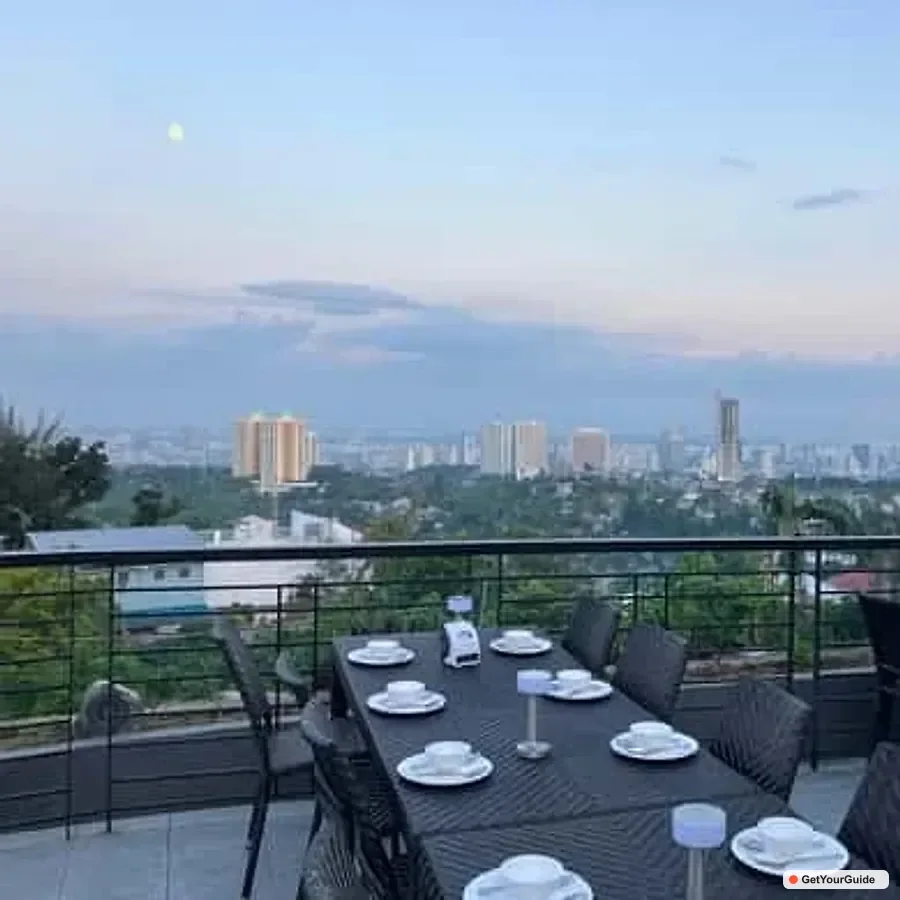
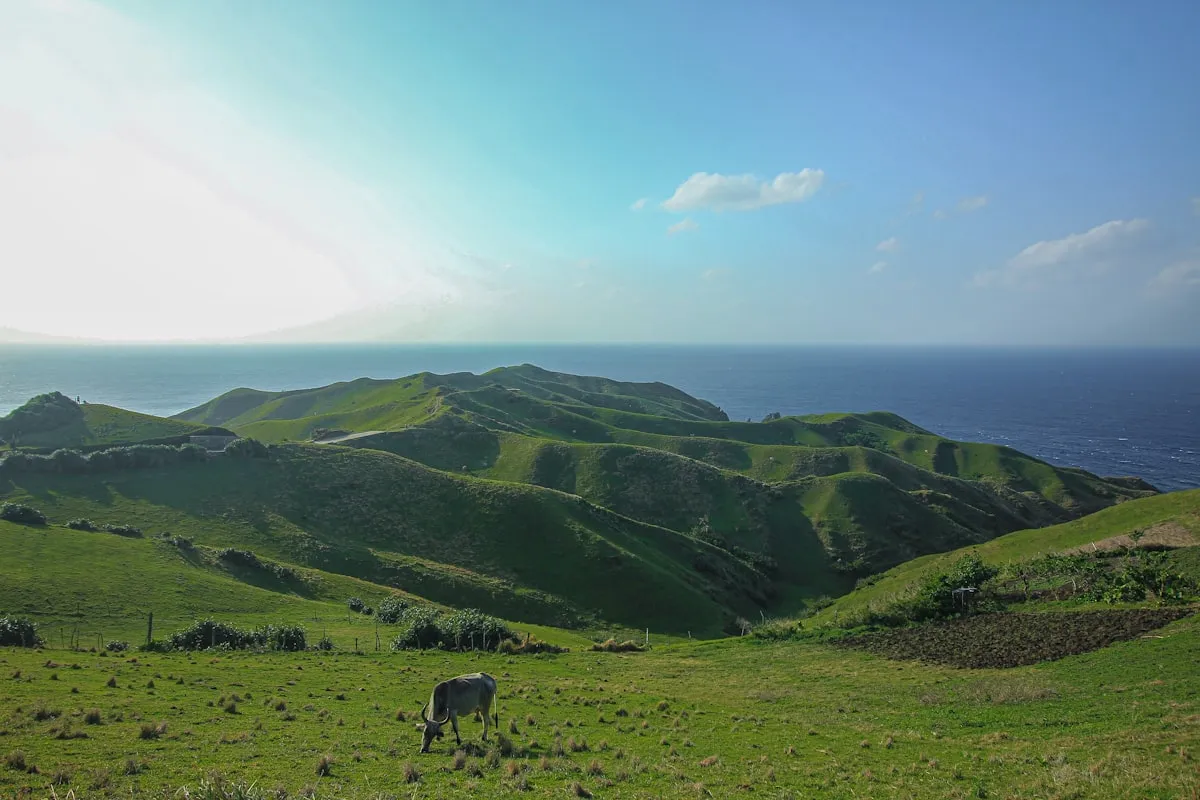
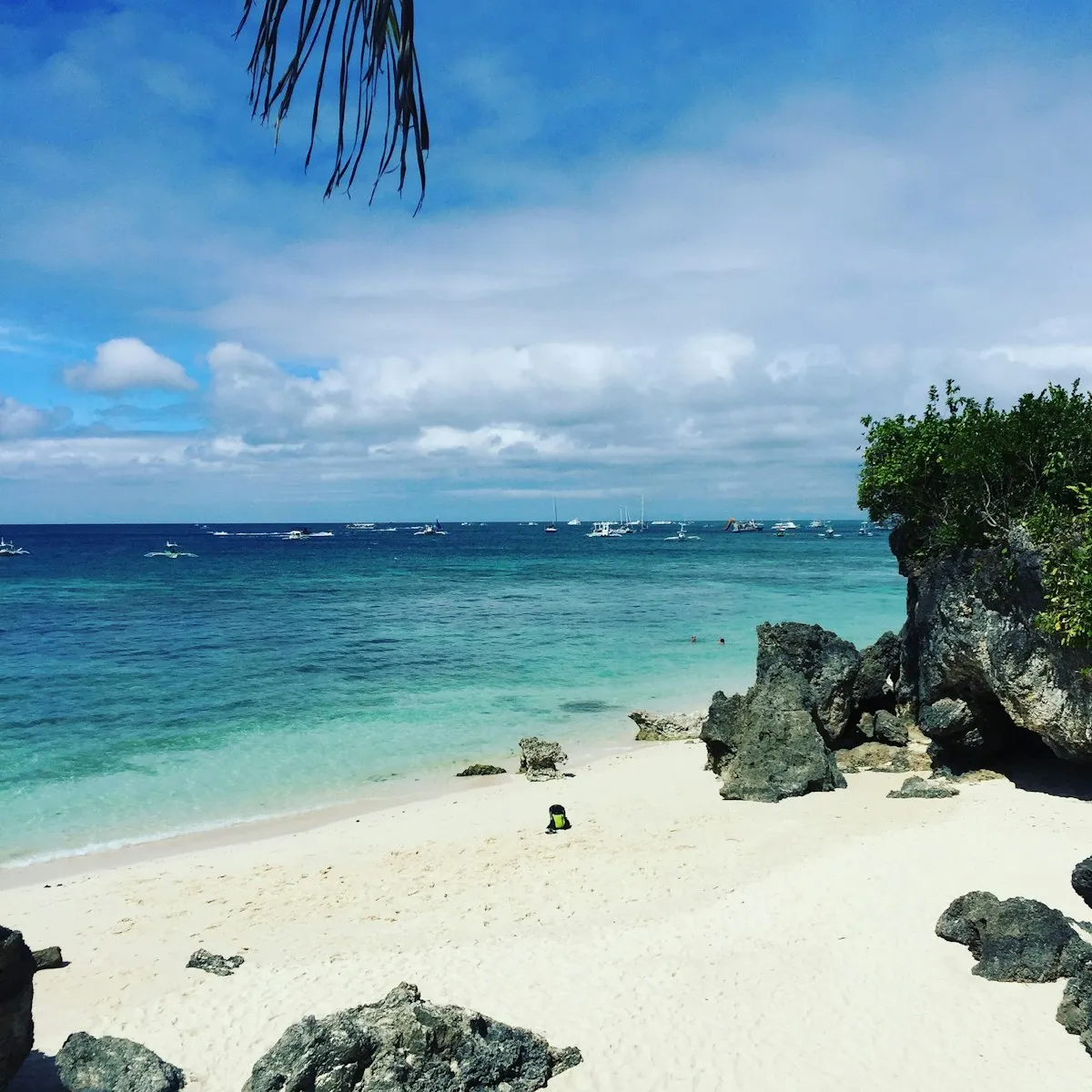
White Beach needs no introduction. The four-kilometre arc of powdery white sand backed by coconut palms and a parade of restaurants and bars is one of the most photographed beaches in Asia for good reason -- it genuinely lives up to the photographs. Most travellers arrive in Boracay, stake out a sun lounger on White Beach, and happily spend their entire trip there. That is a completely valid way to experience the island.
Boracay Beyond the Beach: 15 Things to Do That Aren't Just Sunbathing
Trip.com
Search on Trip.comHotels in Boracay
Compare live prices via Travelpayouts — targeted for this guide.
But if you have already done the White Beach lie-down, or if you are travelling with people who get restless on a sun lounger after an hour, Boracay has a second life beyond the sand. The island is 10 kilometres long and has a surprising range of activities -- on the water, under the water, in the air, and inland. Here are 15 things to do in Boracay that are not sunbathing.
On and In the Water
1. Helmet Diving -- Walk on the Ocean Floor
Helmet diving (also called sea walking) is one of Boracay's most popular activities for good reason: it requires zero experience, no swimming ability, and gets you face-to-face with marine life at 3-5 metres depth. You wear a large pressurized helmet (like a goldfish bowl on your head) that lets you breathe normally while walking along the seabed. Guides lead you through a coral garden where fish are hand-fed from fish food provided. The experience lasts 20-25 minutes underwater. Cost: PHP 2,500-3,500/person. Operators pick you up from White Beach by outrigger boat. Suitable for children aged 8+ and non-swimmers. Not suitable for people with heart conditions or ear problems.
2. Parasailing Over White Beach
Parasailing gives you the definitive aerial view of Boracay -- the White Beach curve, the boats, the crystal water gradients from shallow turquoise to deep blue -- all from 100-150 metres altitude. You are harnessed to a parachute towed by a speedboat, lifted off a platform at the back of the boat, and spend 8-12 minutes aloft before being brought back down (usually with a dunking in the sea at the end, which you can request to skip). Cost: PHP 1,500-2,000/person for solo, PHP 2,500-3,500 for tandem. Book with operators on Station 1 or through your resort activity desk. The views are worth it.
Trip.com
See all tours in Boracay on Trip.comDiving in Boracay
Hand-picked experiences in Boracay — book on Trip.com with instant confirmation.
3. Ariel's Point: Cliff Jumping with Full Day Trip
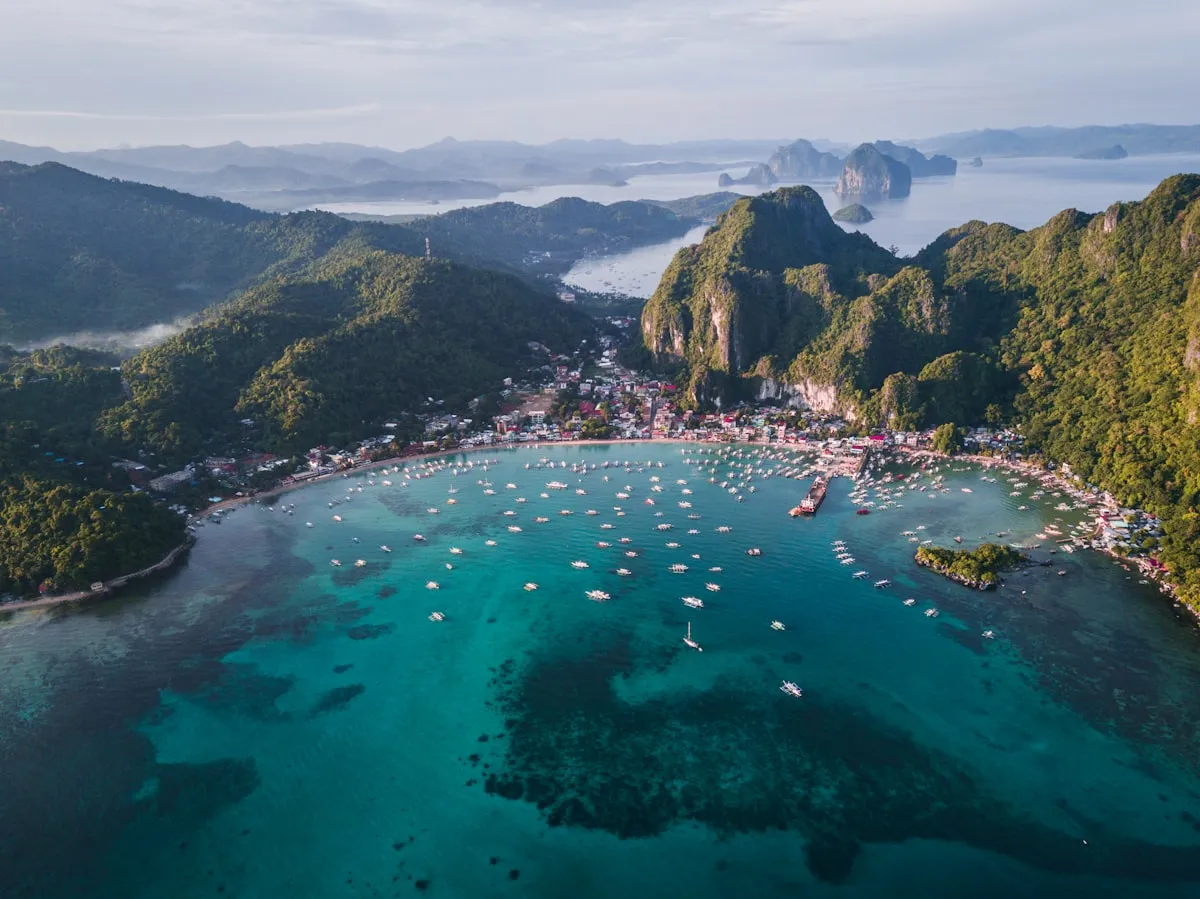
Ariel's Point is a day trip from Boracay to a set of sea cliffs on the Carabao Island side of the channel -- and it is arguably the most fun activity accessible from Boracay. The package (PHP 2,800-3,200 all-inclusive) covers: bangka transport from White Beach (45 minutes each way), a full day at the cliff site with five jump levels ranging from 3 metres (for the cautious) to 15 metres (for the fearless), unlimited snorkeling in the clear water below the cliffs, a BBQ lunch, and unlimited beer, rum punch, and soft drinks throughout the day. The 15-metre jump is not compulsory -- many people do the 5 or 7 metre platforms and have a fantastic time. The unlimited drinks policy and the social energy of 60+ travellers all jumping off cliffs together makes Ariel's Point one of those legendary half-days in the Philippines that people are still talking about years later. Book 1-2 days ahead through White Beach operators or your hotel.
4. Paraw Sailing
The paraw is the traditional double-outrigger sailing boat of the Visayas region, and Boracay is one of the best places in the Philippines to experience it. The paraw is small, fast, and rides the wind with a shallow hull that occasionally skims waves at speed -- exhilarating when it works. Sunset paraw sailings are the classic Boracay experience: watching the sun drop into the Sibuyan Sea while reclining on a canvas sail deck with a cold San Miguel. Cost: PHP 1,500-2,000/hour (the boat holds 6-8 people, so costs split nicely between friends). Book directly from the paraw operators on the beach at Station 1. Bring a change of clothes -- you will get wet.
5. Certified Scuba Diving
Boracay is not the Philippines' premier dive destination (Tubbataha, Apo Island, and Coron have better biodiversity) but it has 20+ dive sites accessible from the island and decent reef systems considering how developed the island is. Camia Site and Crocodile Island are the most-dived. Divers often see turtles at Balinghai Beach sites, nudibranchs at Yapak (deeper wall dive, more advanced), and schooling jacks and fusiliers at multiple sites. Fun dive with equipment: PHP 1,500-2,200/dive from the many PADI shops on White Beach. Open Water certification course: PHP 15,000-18,000 for a 3-day course. The water is warm (27-29 degrees), visibility reasonable (8-20 metres depending on season), and conditions are good for new divers in the dry season.
6. Mangrove Kayaking at Laguna
Boracay has a quiet side that most beach visitors never discover: the Laguna, a shallow tidal area on the northeast coast accessible from Bulabog Beach. Mangrove forests line part of the laguna, and kayaking through them early morning (6-8am) before the tourist crowds arrive is a completely different Boracay experience -- peaceful, green, full of birds, and a reminder that the island has an ecology beyond the beach. Kayak rental: PHP 200-400/hour from Bulabog Beach operators. The kayaking is gentle and suitable for beginners.
7. Hobie Cat Sailing
Bulabog Beach on the northeast side of the island is Boracay's windsurfing and kitesurfing hub -- the northeast monsoon (amihan) funnels through the channel between Boracay and the mainland, creating reliable wind conditions from November through April. Hobie Cat sailing lessons are available at Bulabog from PHP 1,000-1,500/hour. For those who already know how to sail, Hobie Cat rentals run PHP 800-1,200/hour. Windsurfing lessons (PHP 800-1,200/hour) and kitesurfing lessons (PHP 3,500-5,000 for a 2-hour intro lesson) are also available from multiple operators on Bulabog. The Bulabog kitesurfing scene is particularly vibrant in January-February when conditions peak.
Off the Beach
8. ATV Cross-Island Mountain Trail
An ATV (all-terrain vehicle) trail crosses Boracay's forested interior hill from the White Beach side to the Bulabog side, passing through secondary forest and offering views over both coastlines from the central ridge. The 1-hour guided ATV experience covers approximately 5-7 kilometres of trail. Cost: PHP 1,500/ATV (holds one or two people, though two makes it slower). The trail is dusty in dry season and muddy in wet season -- either way you will arrive at the end needing a rinse. Helmets and goggles are provided. Book through White Beach activity booths or your resort.
9. Mount Luho Viewpoint
Mount Luho is Boracay's highest point at 100 metres (modest by any other measure, but this is a small island). A concrete path leads up to a viewpoint tower with 360-degree views of the island, both coastlines, and the surrounding islands. Entry: PHP 150. It is a 15-20 minute uphill walk or tricycle ride (PHP 50-80 one way) from White Beach. Best visited early morning (7-9am) before heat and haze set in. On a clear day you can see all the way to the Carabao Island cliffs visited on Ariel's Point day trips.
10. Crystal Cove Island
Crystal Cove Island is a small private island resort 15 minutes by bangka from Station 3. It has two small beach coves (one white sand, one more rocky), a coral garden for snorkeling, a clifftop viewing deck, and cottages available for day use. Entry: PHP 600-800/person including bangka transfer. The snorkeling is decent -- better than most spots accessible directly from White Beach. Good for a half-day alternative to another White Beach morning. Book through beach operators at Station 3.
11. Puka Shell Beach
Puka Shell Beach is on the northernmost tip of Boracay -- a 45-minute walk or 15-minute tricycle ride (PHP 100-150) from Station 1. It is named for the puka shells that wash up in abundance (and were ground into the white sand that makes Boracay's beaches so fine). Puka is quieter than White Beach, has fewer vendors and restaurants, and gets better wind conditions for kite and sail watching. Bring your own snacks or eat at the small restaurants at the beach entrance. The vibe is more local and low-key. Great for a half-day escape from the White Beach intensity.
12. Ilig-Iligan Beach
Ilig-Iligan is Boracay's "hidden" beach on the far eastern end of the island -- accessible by tricycle (20-25 minutes, PHP 150-200 one way) plus a short walk down steps to the water. It faces east into the Sibuyan Sea and has a different character from White Beach: rougher sand, more rocks, fewer facilities, and in dry season (amihan), it can have choppier water. In wet season (habagat, June-October), when White Beach is rough, Ilig-Iligan flips to being the calmer side. For photographers, the early morning light on Ilig-Iligan with the sea to the east is genuinely beautiful.
Eating, Drinking, and Social
13. D'Mall Food and Souvenir Shopping
D'Mall is the commercial heart of Boracay -- an open-air collection of restaurants, souvenir shops, money changers, convenience stores, and the most reliable WiFi on the island. It sounds unglamorous but it is genuinely pleasant: shaded walkways, good food options at every price point, and the density of services means you can arrange next-day activities, exchange currency, buy a sarong, and eat Japanese ramen all within 200 metres. The food court area of D'Mall has Shawarma, Chinese, Korean BBQ, and local Filipino options at PHP 80-300/meal. The souvenir shops sell the usual (ref magnets, Boracay t-shirts) plus actual quality items: local shell jewelry, hand-woven bags, and Benguet coffee imported from the highlands.
14. Boracay Pub Crawl
The White Beach nightlife strip is densely packed with bars and clubs, and a curated pub crawl (usually Friday and Saturday nights, PHP 500-800 including bar stamps and welcome drinks at each venue) is an efficient way to see multiple venues and meet other travellers. Most crawls visit 4-5 bars -- from the beach shack with fire dancers to the open-air club with live bands to the rooftop bar with White Beach views. The crawl format handles the logistical awkwardness of navigating Boracay's bar strip as a group. Book through your hostel, Klook, or White Beach activity booths.
15. Filipino Cooking Class
A small number of operators and resorts in Boracay offer Filipino cooking classes -- typically covering 3-4 dishes over 2-3 hours with a final sit-down meal of what you cooked. The Karma resort has offered cooking classes focused on Visayan dishes (kinilaw -- raw fish cured in vinegar, similar to ceviche; sinigang -- tamarind broth; adobo chicken). Prices run PHP 3,000-4,500/person including all ingredients, recipe cards, and the meal. Classes are typically small (4-8 participants) and run in the morning. This is genuinely educational and a much more active use of a morning than another session on the sun lounger -- and you leave with a skill you can actually use at home.
Frequently Asked Questions
Is Boracay overcrowded now?
Boracay was famously closed for rehabilitation from April to October 2018 by order of President Duterte, who described it as a "cesspool." The closure resulted in a genuine cleanup of wastewater infrastructure, removal of illegal structures, and enforcement of the 25-metre easement from the waterline. Post-reopening Boracay is visibly cleaner and better managed than the chaotic pre-2018 version. Peak season (December-April) is busy -- White Beach Station 2 can feel crowded on weekends. Stations 1 and 3 are quieter. Bulabog Beach on the opposite coast is dramatically less crowded year-round. Visiting in May, June, or October avoids peak crowds while still getting acceptable beach weather.
How do I get from Manila to Boracay?
The standard route: fly Manila to Caticlan (Godofredo Ramos Airport, GNB) -- 55 minutes, operated by Cebu Pacific and AirAsia. From Caticlan jetty port, a 10-minute bangka ferry (PHP 100-200/person including terminal and environmental fees) reaches Cagban jetty on Boracay's southern tip. Total time from NAIA to White Beach: 2-3 hours if connections work smoothly. Alternatively, fly to Kalibo (KLO, 1 hour from Manila) -- fares are often cheaper but Kalibo is 1.5 hours from the Caticlan jetty by van, adding time and cost. For those avoiding Manila, Cebu to Boracay (via Caticlan) is a 1-hour flight.
What is the best time of year to visit Boracay?
November to May is peak season -- White Beach is calm (the amihan blows from the northeast, keeping the western coast protected), clear skies, excellent swimming conditions. December through March is the most popular period, with crowds and prices to match. The shoulder months of November and May offer good weather with lower prices and fewer people. June through October is technically Boracay's "off season" -- the habagat/southwest monsoon turns White Beach rough and grey. However, Bulabog Beach (facing east) is sheltered during habagat, and kitesurfers and windsurfers love Boracay in June-August precisely for the strong reliable winds. Typhoon risk is elevated during this period -- check PAGASA forecasts.
Is Boracay expensive compared to other Philippine islands?
Yes -- it is the most expensive beach destination in the Philippines. Budget travellers can manage on PHP 2,000-3,000/day (hostel dorm, local food, minimal activities). Mid-range travellers should budget PHP 4,000-7,000/day (budget guesthouse or 3-star hotel, mix of dining, one activity per day). Upscale (5-star resorts like Shangri-La or Discovery Shores) runs PHP 15,000-50,000/night just for accommodation. For comparison: the same PHP 4,000/day budget in Siquijor or Camiguin gets you a private beachfront cottage with better food and far fewer crowds. Boracay commands a premium for its beach quality and infrastructure reliability -- whether that premium is worth it depends entirely on your travel values.
Which station on White Beach is best?
White Beach is divided informally into three stations. Station 1 (northern) is closest to the paraw sailing operators, quieter at night, and has more upscale restaurants. Station 2 (centre, near D'Mall) is the liveliest -- most restaurants, most bars, most activity operators, highest prices, highest energy. Station 3 (southern) is quietest, cheapest, and most local -- accommodation runs 20-40% less than Station 2 equivalents, and the sunset view is identical since you are all on the same beach facing west. For first-timers who want the full Boracay experience: stay at Station 2. For those who want easy access to activities and a quieter vibe: Station 1. For budget travellers: Station 3.

PANA.PH Editorial Team
Philippines travel desk
The PANA.PH travel desk researches, books and re-checks Philippines travel logistics — fares, ferry schedules, government fees and permit rules — and publishes what it can verify.
🏡 Real local stays (book direct)
Hand-picked homestays and guesthouses — book direct, no markup.
Browse all local stays →
🌊 Popular activities (book instantly)
Island hopping, canyoneering, whale sharks — real Klook/GetYourGuide options.
View all activities →