The Philippines is famous for its beaches. Its reef. Its rice terraces and volcanic peaks. But the rock formations of Biri Island are something different — a kind of coastal geology that looks like it was designed by a committee of science fiction set designers given unlimited budget and a brief to make something that would make viewers' mouths open. Massive basalt formations hammered by the full force of the Pacific Ocean into arches, cathedrals, channels, and caves, surrounded by churning white water, topped by dense jungle. And almost nobody goes there.
Biri Island: The Philippines' Most Dramatic Rock Formations (Northern Samar)
Trip.com
Search on Trip.comHotels in Philippines
Compare live prices via Travelpayouts — targeted for this guide.
Biri Island is in Northern Samar, on the eastern coast of the Philippines. It faces the Pacific directly. The typhoon track passes directly over it. The waves that hit its western rock formations have crossed thousands of kilometres of open ocean before they arrive. The result is one of the most geologically dramatic coastal landscapes in Southeast Asia, sitting in one of the Philippines' most neglected provinces for tourism. This guide explains how to get there, what to expect, and why the effort is genuinely worth it.
Where Is Biri Island
Biri Island lies just off the northern tip of Samar island in Northern Samar province. The nearest mainland town is Allen, the port town where ferries cross to Biri. Allen itself is connected to the regional capital Catarman by road. The overall position — on the Pacific-facing coast, at the very tip of Samar — is what generates the wave energy that creates the rock formations.
Getting to Biri Island
From Manila
The most common routing from Manila: fly to Catarman Airport in Northern Samar. Cebu Pacific and Philippine Airlines serve this route (approximately 1 hour from Manila, PHP 2,000–5,000 return). From Catarman, take a van or bus to Allen — about 1 hour, PHP 80–120.
Trip.com
See all tours in Philippines on Trip.comTours & activities in Philippines
Hand-picked experiences in Philippines — book on Trip.com with instant confirmation.
From Catbalogan or Tacloban
Overland from Catbalogan (Samar's capital, connected to Tacloban by regular buses) takes approximately 4–5 hours by van or bus to Allen. From Tacloban (Leyte's capital), cross the San Juanico Bridge to Samar and continue north — total 5–6 hours to Allen. This overland route gives you a comprehensive view of Samar's landscape and is a viable option if you are coming from a Visayas loop.
Allen to Biri Island
From Allen Port, a ferry crosses to Biri Island in approximately 30 minutes, costing PHP 150. The ferry operates multiple times daily in calm conditions. In rough weather — which is more common here than on most Philippine routes given the Pacific exposure — crossings may be suspended. Build flexibility into your schedule; this is not the place for a tight onward connection.
The Rock Formations
The rock formations are on Biri Island's northwestern coast, a short habal-habal (motorcycle taxi) ride from the main town (PHP 100–150 for a tour of all major sites). A local guide is strongly recommended — the formations are spread across a 3 km stretch of coastline with no signage, and navigating between them involves crossing slippery rocks and timing movement around wave surges. The Biri tourism office can arrange guides for PHP 500 per day, which is excellent value.
Magsapad
The largest and most dramatic formation. Magsapad looks from a distance like the ruins of a cathedral or fortress — columns of basalt eight to fifteen metres high, carved into arches and chambers by millennia of wave action, with the Pacific crashing through channels between them. During high tide and swell, waves surge through the arches with tremendous force and sound. During lower tide, you can walk between the columns on flat volcanic rock and stand inside what feels like a roofless stone chapel built by the ocean itself. The photography here — particularly at golden hour with waves bursting through the arches — is unlike any coastal scenery elsewhere in the Philippines.
Caranas
A broader, flatter formation where wave channels cut through the basalt in long parallel grooves, like massive fingers pointing toward the sea. During swell conditions, water rushes through these channels in synchronized surges, retreating and returning in patterns you can time and photograph. Slightly more accessible than Magsapad's vertical formations, Caranas is excellent for understanding the scale of wave energy that has shaped the coastline.
Binurong Point
The most exposed viewpoint on the island. A short climb to a flat basalt headland gives a panoramic view of the open Pacific, the other rock formations along the coast, and the full force of swell breaking over offshore reefs. This is where the wave photography is most dramatic — even on moderate swell days, the water thrown against the rocks creates towers of spray 10–15 metres high. Stand well back from the edge; waves can surge unexpectedly and the rock is wet and slippery. Local guides know which sections are safe at any given tide and swell state.
Best Time to Visit
Photography and Scenery
The formations are most dramatic when swell is running — November through January brings the biggest Pacific swells, with waves that create genuinely awe-inspiring impacts on the rock. The downside is that this period also brings the most rain and unpredictable weather. December through April is the sweet spot: swell is still present (though smaller than peak winter), the weather is more stable, and the crossings from Allen are more reliable.
Dry Season
December through April is the general dry season and the most reliable window for visiting. The formations are still spectacular on calm days — the geology is extraordinary regardless of wave size — and travel logistics (ferry crossings, habal-habal roads) are more predictable. March and April have the best light and the least rain but also the smallest waves.
Accommodation
Biri Island has very basic accommodation in homestays and simple guesthouses in the main town. Expect to pay PHP 400–800 per person per night for a room that will have a fan, cold water, and a mosquito net. This is genuinely off-grid island accommodation — no pretension, no pool, no Wi-Fi beyond occasionally functional mobile data. The warmth of the local community and the dramatic landscape more than compensate.
If the basic accommodation on Biri itself is not appealing, base yourself in Allen (slightly better hotels, PHP 600–1,000/night) and day-trip to the island. Allen's overnight options are simple but have more reliable electricity and facilities.
Local Guide — Essential
Do not attempt to navigate the rock formations independently. The terrain is uneven, the surfaces are wet, and the waves — particularly at Magsapad and Binurong Point — can surge unexpectedly and dangerously. Local guides know the safe lines, the best viewpoints for different tide and swell conditions, and can read the ocean in ways that matter. At PHP 500 per day, a guide is not optional; it is a safety investment and a reasonable contribution to local livelihoods in a community that sees very little tourist income.
Who Should Go to Biri Island
Biri is specifically rewarding for:
- Photography enthusiasts — the formations and wave action produce some of the most dramatic coastal imagery in the Philippines. Golden hour at Magsapad is extraordinary.
- Adventure seekers who are comfortable with the logistics of genuinely off-beaten-path travel and basic accommodation.
- Nature and geology enthusiasts interested in seeing what sustained Pacific wave energy does to volcanic basalt over geological time.
- Travelers who have done the Philippines standard circuit (Palawan, Cebu, Siargao) and want something genuinely different.
Biri is not for travelers who need consistent infrastructure, reliable connectivity, or comfortable accommodation. Be honest with yourself about which category you fall into.
Budget
Biri Island is inexpensive by any measure. Homestay accommodation PHP 400–800, meals from local eateries PHP 80–150, habal-habal transport PHP 100–150, guide PHP 500, ferry PHP 150 return. Total daily spend on the island: PHP 1,200–2,000. The main cost is getting there — flights to Catarman plus overland transport. Budget PHP 3,000–6,000 for the full return journey from Manila or Cebu, making the total trip cost competitive with a Siargao weekend but delivering an experience that is categorically different.
Frequently Asked Questions
Are the rock formations accessible year-round?
The rock formations themselves are accessible year-round, but conditions vary significantly. During typhoon season (June–October), the ferry from Allen may be suspended for days at a time, and the rock formations during large swells can be genuinely dangerous to approach without expert guidance. The dry season (December–April) offers reliable access and safer conditions for exploration. November through January has the most dramatic wave action but also the most weather variability.
Is Northern Samar safe to visit?
Northern Samar has historically been listed in travel advisories as an area with security concerns related to communist insurgency in remote interior areas. Coastal areas and the tourist route to Biri Island have no documented security incidents for visitors. Check your government's current travel advisory before visiting, and stay on established tourist routes. The local community in Allen and Biri town is welcoming and the tourism office is a helpful resource for current conditions.
How long should I spend on Biri Island?
One full day is the minimum to see all three major formations (Magsapad, Caranas, and Binurong Point) at a comfortable pace with a guide. Two days allows you to time visits around different tide and light conditions — morning light at Caranas, golden hour at Magsapad, a full exploration of the coastline at low tide on the second morning. Overnight stays on the island significantly enrich the experience and support the local economy directly.
Can I swim near the rock formations?
Swimming near the formations themselves is not recommended — the wave surge through the channels is powerful and the basalt edges are sharp. There is a beach area in Biri town with calmer water suitable for swimming. Snorkeling off the rocky points away from the formations can be good (the reef is in good condition due to low fishing pressure), but always check conditions with your guide and never swim alone in unfamiliar Pacific-facing water.
What is the closest major city to Biri Island?
Catarman, the capital of Northern Samar, is the closest city with an airport — about 1 hour from Allen by van. Catarman has better accommodation options than Allen if you want a comfortable base. For travelers coming overland, Calbayog City in Western Samar (connected to Catarman by a 3-hour road) has a larger range of accommodation and serves as a regional hub.

PANA.PH Editorial Team
Philippines travel desk
The PANA.PH travel desk researches, books and re-checks Philippines travel logistics — fares, ferry schedules, government fees and permit rules — and publishes what it can verify.
🏡 Real local stays (book direct)
Hand-picked homestays and guesthouses — book direct, no markup.
Browse all local stays →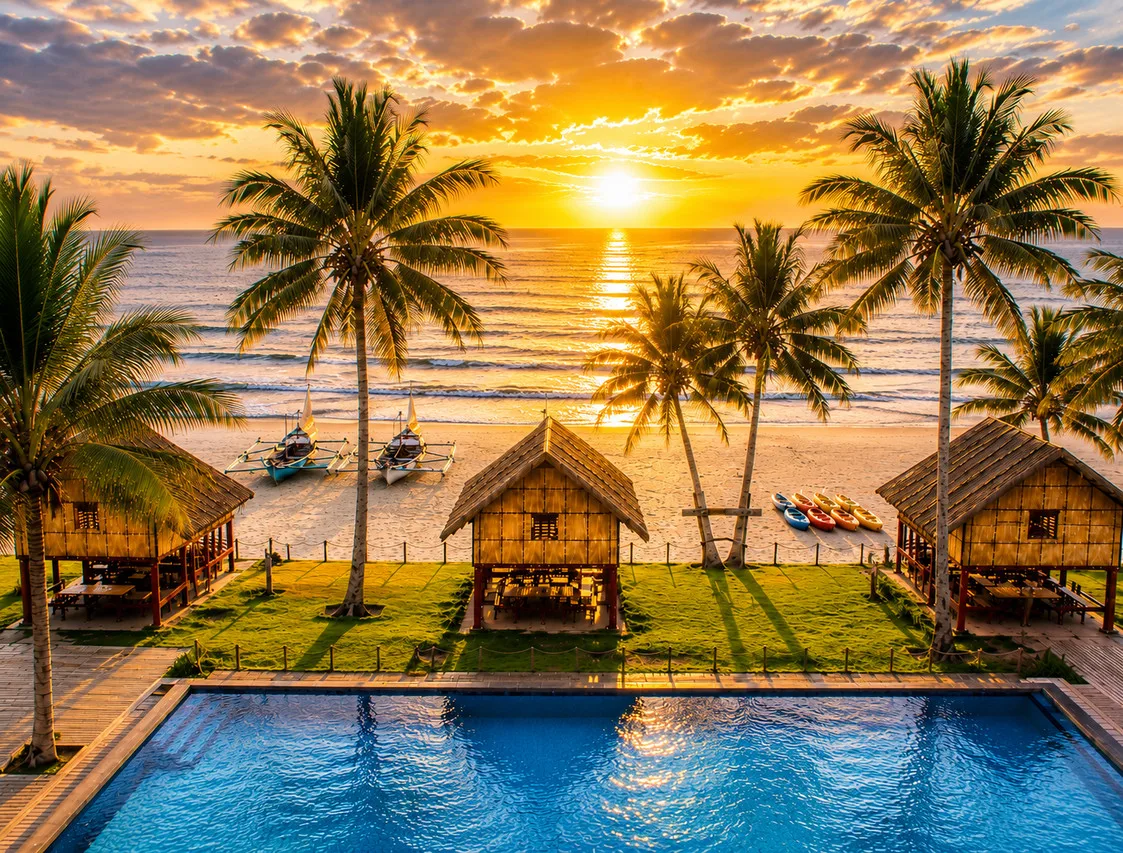
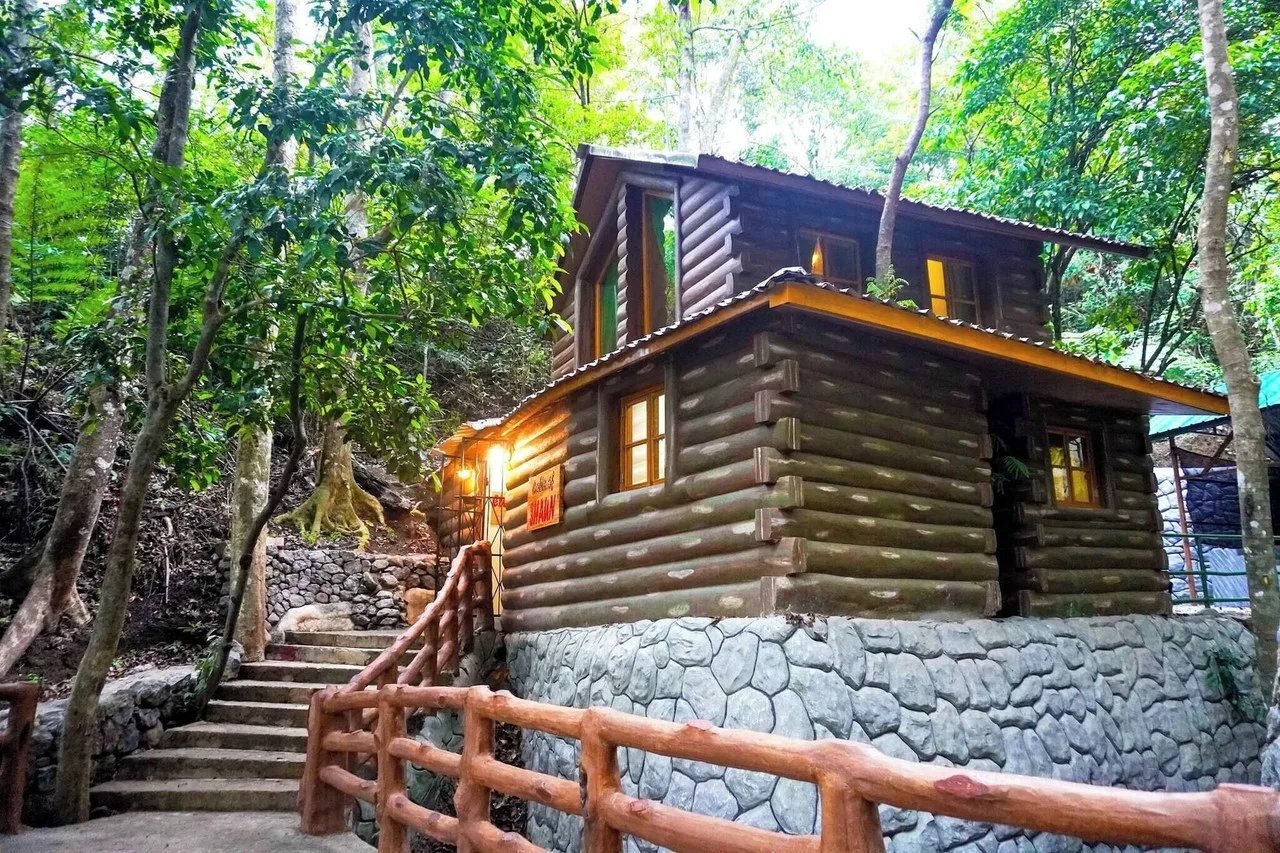
🌊 Popular activities (book instantly)
Island hopping, canyoneering, whale sharks — real Klook/GetYourGuide options.
View all activities →