PHPANA.PH Team · Philippines travel teamPublished June 16, 2026 · 3 min read
The best time to visit the Philippines is generally the dry season, which runs roughly from late November to May, with the cooler, less humid window around December to February being the sweet spot for most travelers. That said, the Philippines is a huge archipelago and the weather varies a lot from region to region, so the right month really depends on where you want to go and what you want to do. Here is an honest, practical breakdown.
Understanding the two seasons
Broadly, the Philippines has a dry season and a wet season. The dry season brings sunny skies, calm seas and the best conditions for island hopping and beaches. The wet season brings warm rain, often in short heavy bursts rather than all-day downpours, along with the possibility of typhoons, mostly affecting the eastern and northern parts of the country.
Crucially, the seasons are not uniform. Because of the islands' geography, some areas catch rain when others are bone dry. When one coast is stormy, you can often find sunshine on the opposite side of the archipelago, which is why flexibility pays off.
Book Philippines tours & activities
Island hopping, whale shark watching, canyoneering and more. Best prices on GetYourGuide & Klook.
Month by month
The cool dry months early in the year are widely considered the most comfortable, with pleasant temperatures and lower humidity, ideal for sightseeing and beaches. As the dry season continues into spring, it gets hotter and is peak season for sun-seekers, though also the busiest and priciest. The transition into the wet season brings rising humidity and afternoon showers. The peak wet months see the most rain and the highest typhoon risk, especially in exposed regions, though deals and empty beaches reward flexible travelers. The tail of the year shifts back toward drier, calmer conditions.
Best time for specific activities
Beaches and island hopping
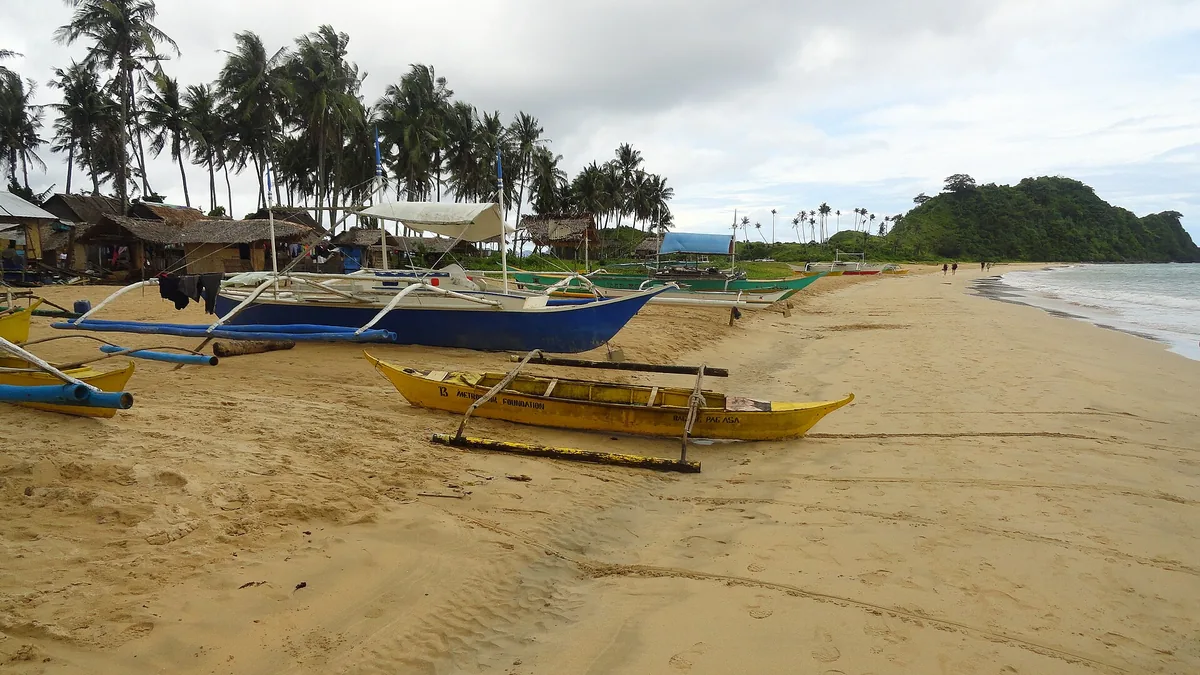
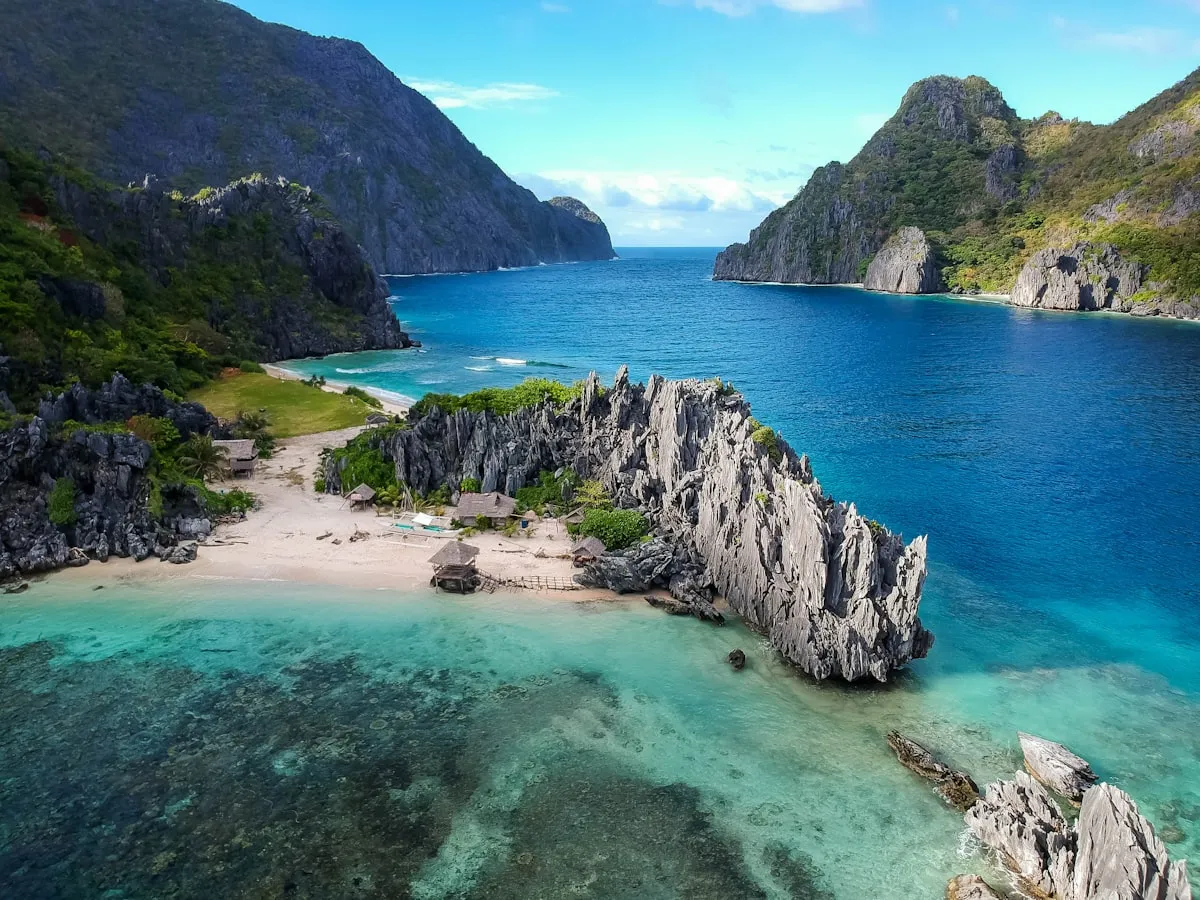
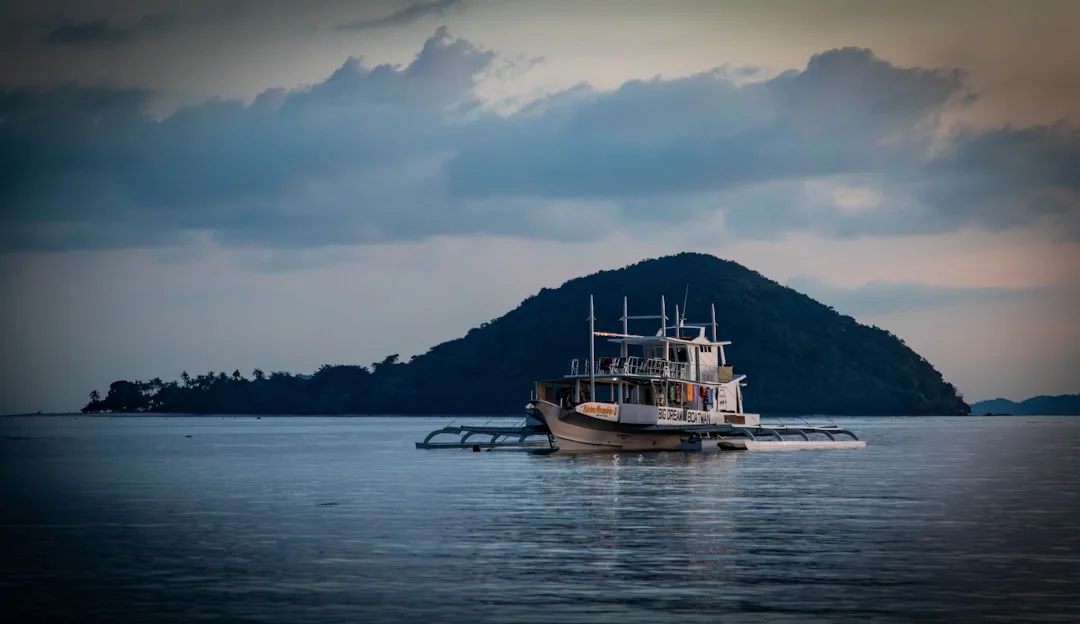
The dry season is the clear winner for beach trips, with calm seas, good visibility and reliable boat schedules to spots like Palawan. This is when the postcard scenes are at their best.
Diving and snorkeling
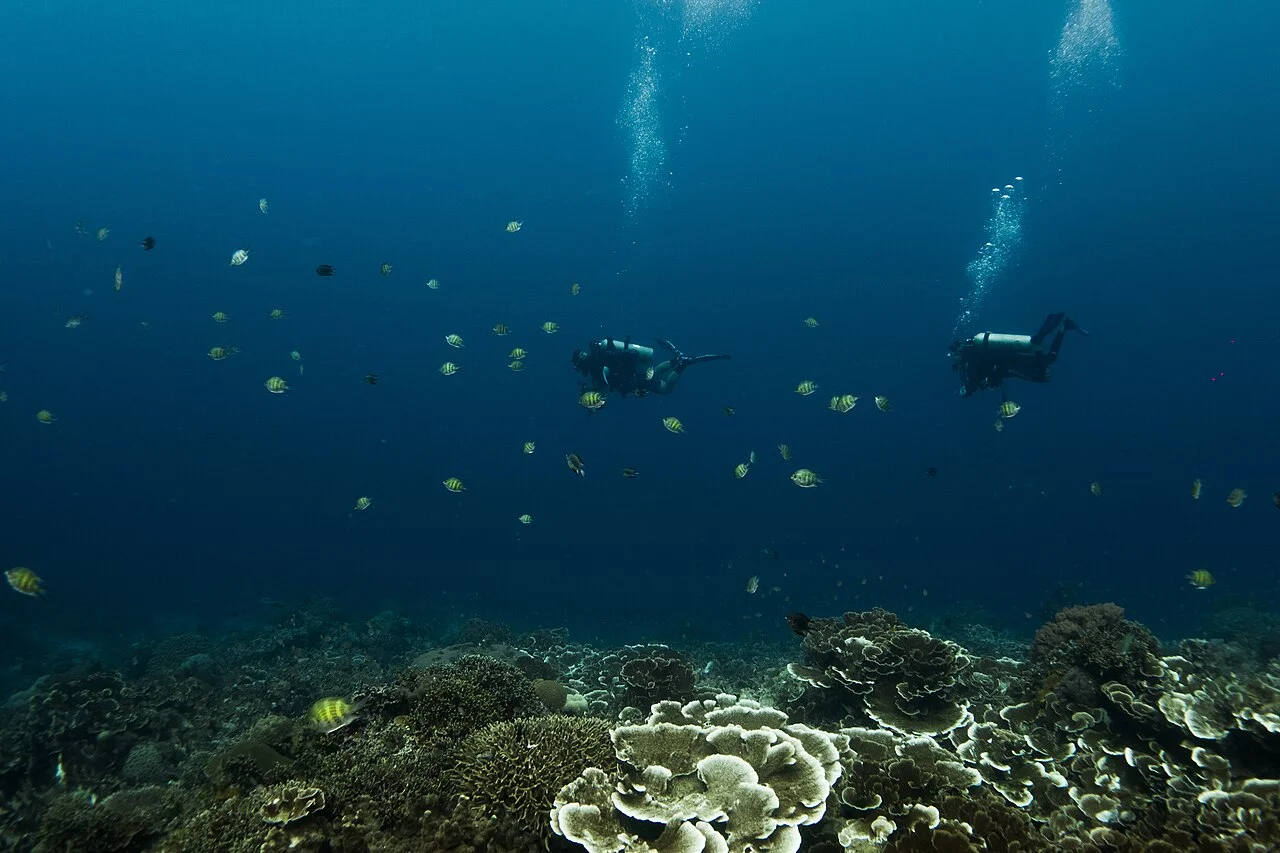
Underwater visibility is generally best in the dry season, though specific dive destinations have their own micro-seasons, so it is worth checking the conditions for the exact site you are targeting.
Surfing
Surfers often follow a different calendar entirely, as the bigger swells that draw surfers to spots like Siargao tend to arrive in the second half of the year. If waves are your goal, the off-peak months can be ideal.
How to plan around the weather
The smartest approach is to build flexibility into your route rather than betting everything on one region. If the forecast turns against you in one area, the Philippines almost always has sunshine somewhere else. Our trip planner helps you line up destinations and timing so you can pivot if the weather changes. Always check a current forecast close to your travel dates, since conditions shift year to year.
Frequently Asked Questions
What is the overall best time to visit the Philippines?
The dry season, roughly late November to May, is the best overall time, with the cooler months around December to February offering the most comfortable weather for beaches, island hopping and sightseeing.
When is the rainy season in the Philippines?
The wet season generally runs from around June to October, bringing warm rain and a higher chance of typhoons, mostly in the eastern and northern regions. Rain often comes in short bursts rather than all day.
Can I still visit during the wet season?
Yes. The wet season brings fewer crowds and better prices, and rain is often brief. Because the archipelago is so large, you can frequently find dry, sunny weather on the opposite side of the country, so flexibility is key.
When is the best time for surfing in the Philippines?
Surfers usually favor the second half of the year, when larger swells arrive at spots like Siargao. This is often outside the traditional beach high season, which can mean fewer crowds.