PHPANA.PH · Philippines travel teamPublished June 11, 2026 · 4 min read
Every year two kinds of travellers get typhoon season wrong. The first kind cancels a perfectly good September trip to Palawan because they saw a storm headline. The second books five islands in ten days in August with zero buffer and acts surprised when a ferry doesn't sail. This guide is for the third kind — the one who understands how the season actually works and travels well through it.
When is typhoon season?
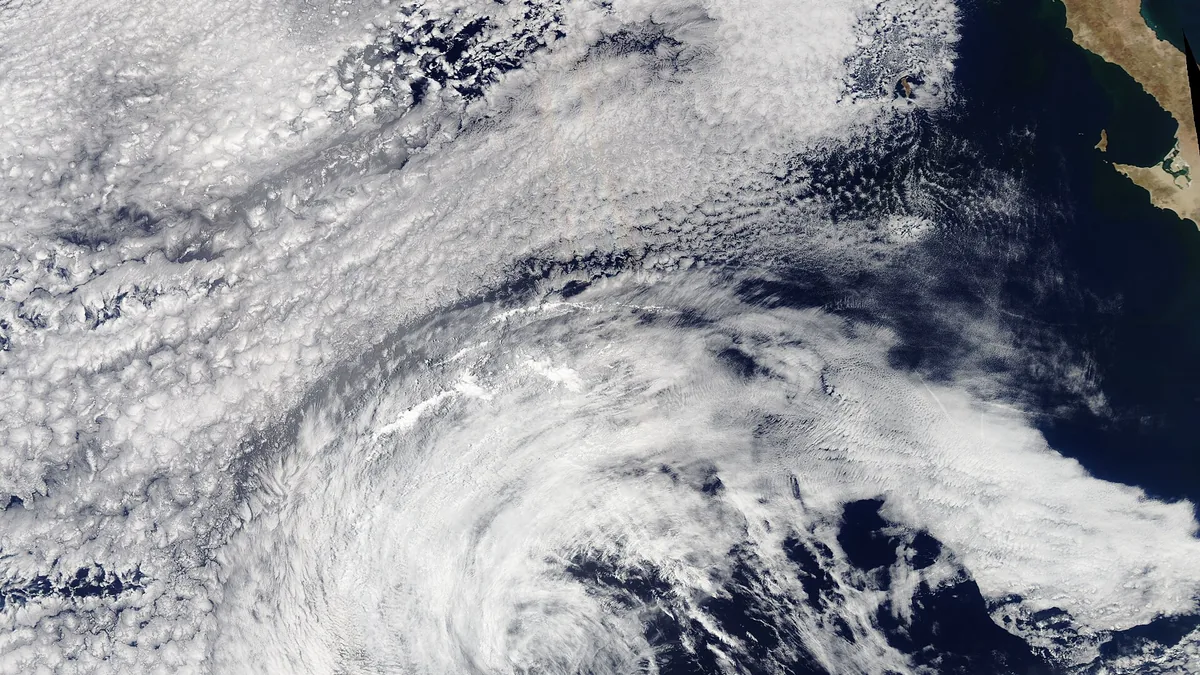
The Philippines sees roughly 20 tropical cyclones enter its waters each year, with 8–9 making landfall. The season runs June through November, peaking July–October. December storms happen but are less frequent; January–May is genuinely quiet.
Two more useful truths: storms cluster in the northern half of the country (Luzon, Eastern Visayas catch the most landfalls), and a typhoon is a 2–4 day event in any one place — not a month of mayhem. The rest of "rainy season" is mostly afternoon downpours wrapped around sunny mornings.
Find the cheapest flights to the Philippines
Compare Cebu Pacific, AirAsia, Philippine Airlines and international carriers — best fares guaranteed.
Which regions carry the most risk?
- Highest exposure: Eastern Luzon (Aurora, Bicol), Eastern Visayas (Samar, Leyte) — these coastlines face the Pacific where storms arrive.
- Moderate: Metro Manila, Boracay, northern Palawan (Coron), Cebu.
- Lower: southern Palawan, Bohol, Siquijor, Dumaguete.
- Lowest: Mindanao — Siargao aside (it juts into the Pacific), Davao and southern Mindanao sit below the main typhoon belt entirely.
This is why a smart wet-season itinerary leans south: Bohol, Dumaguete, Siquijor, Davao — or accepts a flexible schedule up north.
What actually happens when a storm comes
- PAGASA (the national weather agency) raises wind signals by province, 1 to 5. Signal 1 means rough weather; Signal 3+ means things genuinely shut.
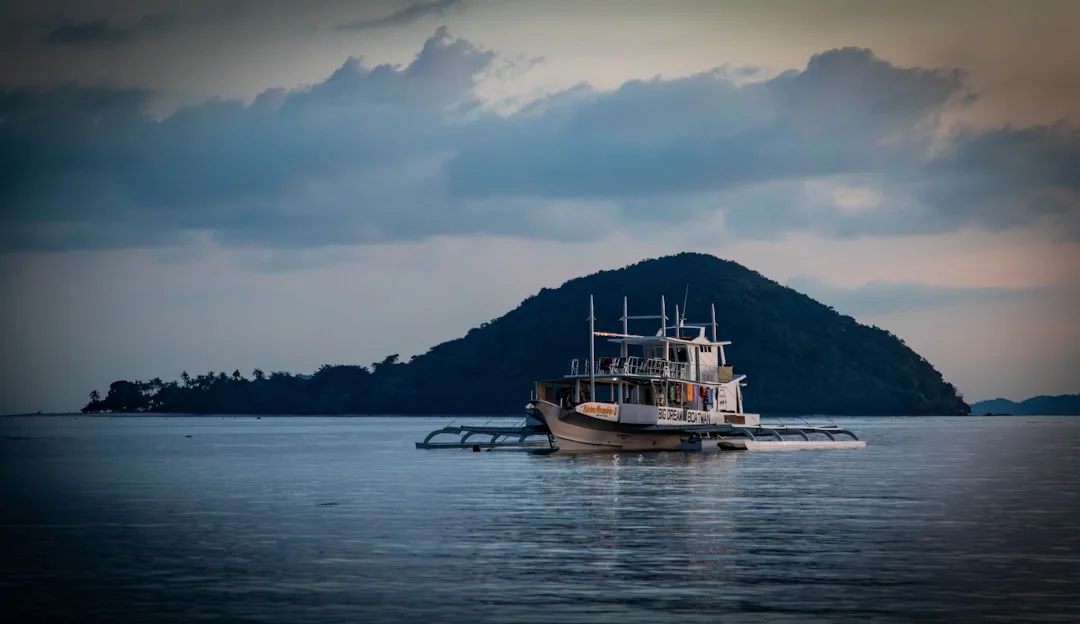
- The coast guard suspends sea travel — this is the part that catches island-hoppers. Bangka day tours and inter-island ferries stop sailing at lower thresholds than flights stop flying, sometimes a full day before the storm under clear blue sky.
- Flights cancel or delay, usually within 12–24 hours of closest approach, and recover within a day after.
- It passes. Two days later the sea is calm and the queue for rebooked ferry seats is long — another argument for buffer days.
The five-rule system for wet-season trips
- One buffer day per sea crossing. If your international flight home depends on a morning ferry, you have planned a coin flip. Sleep near the port the night before.
- Check conditions at booking time and again 48h out. Our weather & safety dashboard shows live typhoon activity and today's sea state on the popular ferry routes — the exact two things that decide your plans.
- Mornings are gold. Wet-season rain skews to afternoons. Book island-hopping tours for the earliest departure and treat afternoons as flexible.
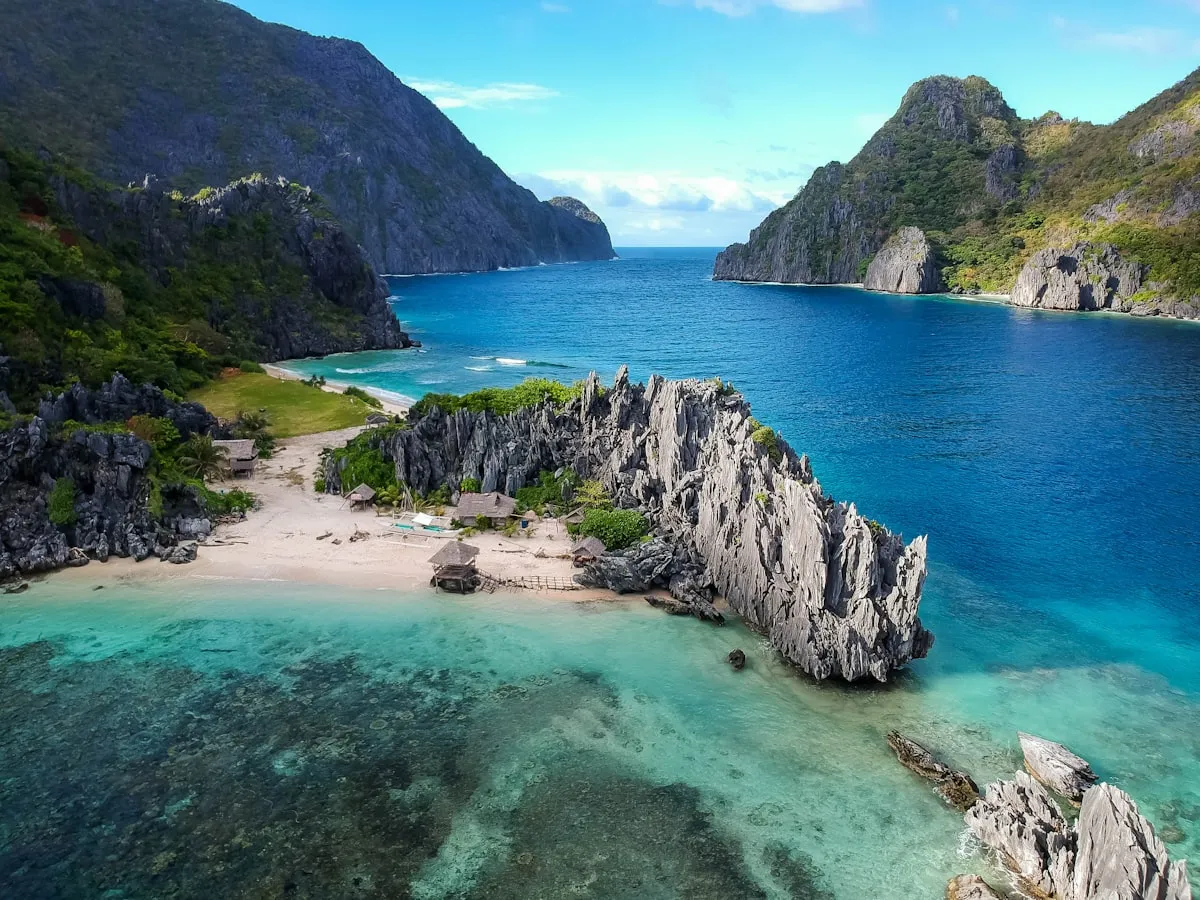
- Stay somewhere that can absorb a lost day. A storm day in El Nido town with cafés beats one in a remote beach hut an hour from anything.
- Know your refund rights. Coast-guard suspensions void ferry tickets — operators rebook or refund. Airlines rebook weather cancellations free. Bookings made through PANA.PH get automatic weather-flexible treatment — see our flexible protection.
Should you just avoid June–November?
Honestly? No — unless your trip is short and rigid. The wet-season deal is real: flights and resorts 30–50% cheaper, empty beaches, dramatic skies, and the best waterfall conditions of the year. A 10-day September trip with two buffer days and a southern bias beats a peak-season trip in cost and crowds nine years out of ten. What you should avoid is a tightly chained multi-island itinerary in the peak months with no slack.
For exact month-by-month conditions per destination, our best time to visit guide breaks it down island by island.
If a typhoon is approaching while you're there
- Follow PAGASA bulletins and your hotel's instructions — staff have done this many times.
- Charge everything, download offline maps, stock a day of water and snacks.
- Stay out of the sea entirely from Signal 1 — storm surf and currents kill more visitors than wind does.
- Keep our emergency contacts page and the offline survival kit saved on your phone — both work without signal.
- Move flights early: airlines waive change fees once a storm is named, and the first to rebook get the seats.
FAQ
Will travel insurance cover typhoon disruption?
Standard policies cover delays and cancellations from named storms if you bought before the storm was named. Buy insurance when you book, not when you see a forecast. See our insurance guide.
Is Siargao safe in surf season?
Surf season (Aug–Nov) overlaps typhoon season — that's where the waves come from. The island functions normally most of the time; just respect coast guard suspensions on boat days.
What about the rest of rainy season — is it constant rain?
No. Outside actual storm systems, expect sunny or bright mornings and a 1–3 hour afternoon downpour. Plenty of wet-season travellers come home with better photos than the March crowd — clouds make sunsets.
Before you book anything between June and November, glance at the live picture: typhoon activity, sea state and per-destination conditions, updated continuously.
Plan your Philippines trip with PANA.PH
Compare hotels and local stays across all 7,641 islands.