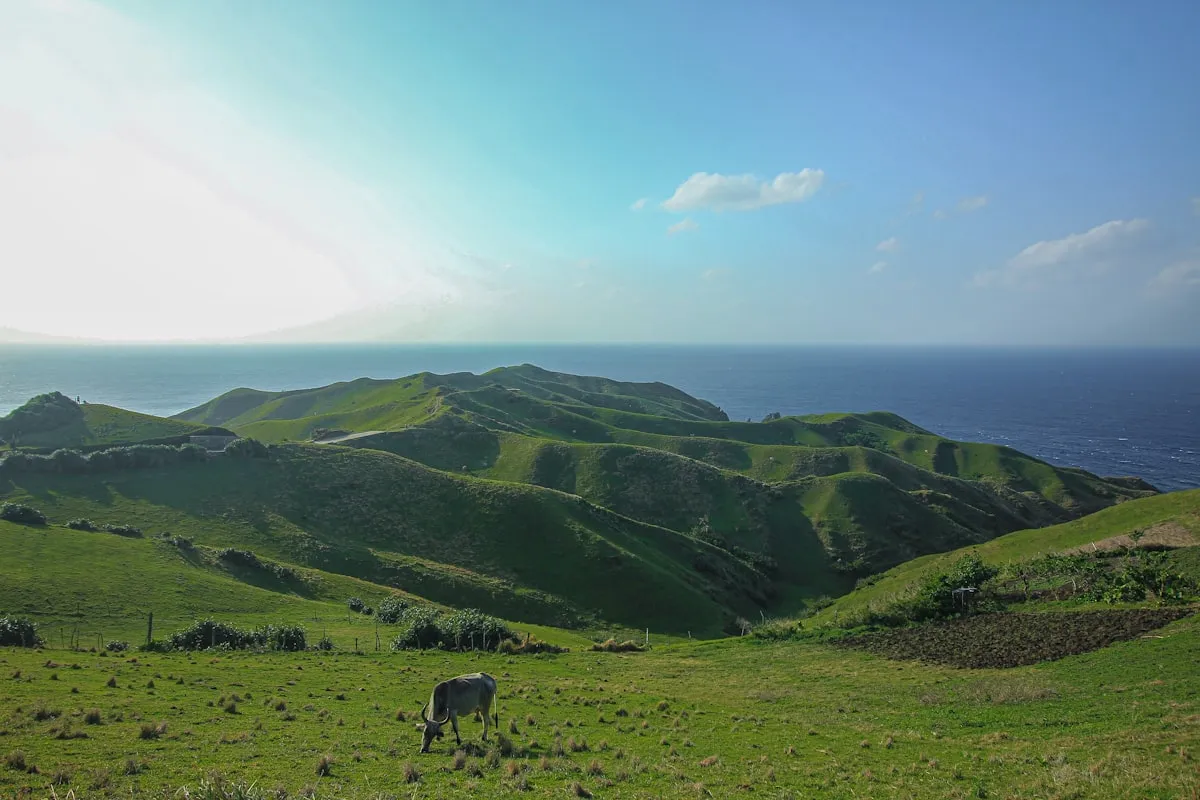
The Philippines consistently ranks among the world's most affordable and welcoming retirement destinations - but it is a country of more than 7,000 islands, and where you settle dramatically shapes your day-to-day life, budget and access to healthcare. Do you want a walkable expat-friendly small city, the amenities of a big metro, or beachfront island calm? This guide compares the most popular retirement bases - Dumaguete, Cebu, Bohol, Davao and Tagaytay - honestly, on the factors that actually matter when you live somewhere rather than just visit.

Best Places to Retire in the Philippines (Compared)
Destinations#best places to retire Philippines#retire in Dumaguete#retire in Cebu#expat Philippines#retirement lifestyle
Trip.com
Search on Trip.comHotels in Philippines
Compare live prices via Travelpayouts — targeted for this guide.
What Retirees Should Prioritise
Before the destinations, the decision factors: healthcare (proximity to a hospital you trust), cost of living, climate (lowland heat vs cooler highlands), expat community (for friends and practical support), connectivity (an international-capable airport for visitors and trips home), and safety. The right answer differs by person - a beach lover and a city person will rank these very differently.
Dumaguete - The Expat Favourite
Nicknamed the "City of Gentle People," Dumaguete on Negros Oriental is arguably the most popular small-city retirement hub. It is walkable, has a famous seaside boulevard, a relaxed university-town atmosphere, a large and active expat community, and Silliman University Medical Center for healthcare. Cost of living is low, the diving and Apo Island/Siquijor day trips are superb, and it has its own airport (DGT). Downsides: it is small, so big-city shopping and specialist medical care may mean a trip to Cebu.
Cebu - City Amenities and Healthcare
Metro Cebu offers the best balance of amenities and lifestyle outside Manila: major malls, an international airport (CEB), and top hospitals like Chong Hua and Cebu Doctors' University Hospital. You can live in the city and reach beaches and dive towns (Moalboal, Malapascua, Bohol) within a few hours. It is busier, hotter and pricier than Dumaguete, but the convenience and medical access are hard to beat. Strong choice if healthcare and connectivity top your list.
Trip.com
See all tours in Philippines on Trip.comTours & activities in Philippines
Hand-picked experiences in Philippines — book on Trip.com with instant confirmation.


Bohol - Beach and Nature Calm
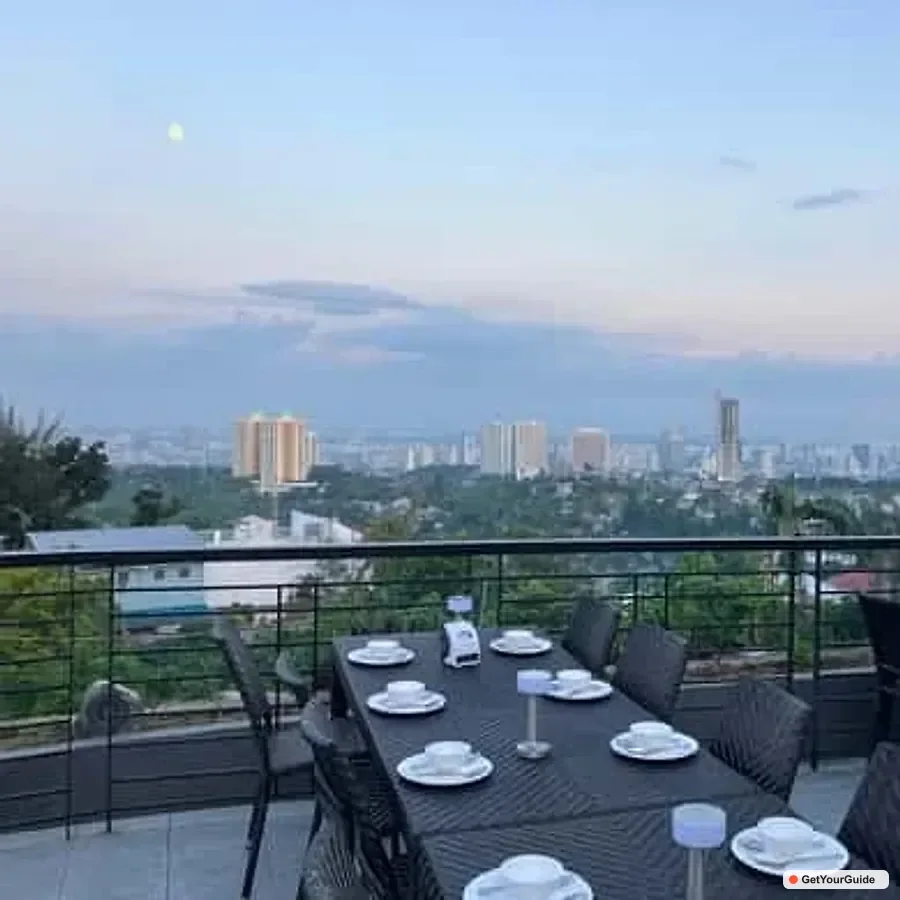
Bohol (especially Panglao Island) suits retirees who want a quieter, beach-and-nature lifestyle with white sand, diving and the Chocolate Hills inland. Panglao now has its own modern airport (TAG), improving access. Healthcare is more limited than Cebu, so many residents keep Cebu (a short flight or ferry away) as their specialist-care backup. Best for those who prioritise tranquillity and the sea over urban amenities.
Davao - Safe, Orderly and Low-Cost
Davao City in Mindanao is large, orderly, notably safe, low-cost, and has an international airport (DVO) and good hospitals. It sits near Mount Apo and has a strong food and fruit culture. The main hesitation for some foreigners is the broader Mindanao perception, though Davao itself is consistently regarded as one of the safest cities in the country. Great value for a big-city lifestyle at lower cost than Cebu or Manila.
Tagaytay and Metro Manila - Healthcare and Cool Air
If access to the very best hospitals matters most, Metro Manila has the country's top medical centres and the main international gateway (MNL). Nearby Tagaytay offers a cooler highland climate with views over Taal Volcano, popular with retirees who want relief from lowland heat while staying close to Manila's healthcare. The trade-offs are higher cost and Manila's notorious traffic.
Quick Comparison
- Lowest cost + expat community: Dumaguete or Davao.
- Best healthcare + amenities: Cebu or Metro Manila.
- Beach lifestyle: Bohol (Panglao).
- Cooler climate: Tagaytay.
- Safest big city: Davao.
Whichever you choose, the SRRV retirement visa lets you settle long term. Spend a month or two test-living a place before committing - browse long-stay accommodation on our stays page, and read deeper destination guides on our blog.
Beyond the Big Five: Other Spots Worth Considering
The headline cities are not the only options. Iloilo on Panay is an increasingly popular, orderly mid-size city with a great food scene, a long riverside esplanade and good value. Subic and Clark (north of Manila) appeal to those wanting former-US-base infrastructure, malls and proximity to the capital without Manila's chaos. Baguio, the cool-climate "Summer Capital" in the mountains, suits retirees who dislike tropical heat, though it can be foggy and traffic-clogged. Beach-and-island lovers also look at Siquijor, Camiguin and parts of Palawan for tranquillity, accepting more limited healthcare and amenities in exchange. The point is to match the place to your priorities: heat tolerance, healthcare needs, social life and budget all push different people toward very different islands.
How to Choose: A Practical Approach
The smartest way to pick is not to pick from a blog at all, but to test-live your shortlist. Spend a month in each of your top two or three choices, ideally renting monthly rather than staying in hotels, so you experience the real rhythm - the local market, the commute to the hospital, the rainy-season mood, the expat social scene and whether the internet holds up. Pay attention to the things that wear on you daily: heat, noise, traffic, and how easy it is to handle errands and medical visits. Talk to expats already living there, who will give you the unvarnished truth. Many retirees discover their gut favourite on paper is not where they actually feel at home. Use monthly stays on our stays page to scout, and cheap domestic flights on our flights page to hop between candidates before you commit to a long lease or the SRRV.
The Practicalities of Settling In
Wherever you choose, a few realities shape day-to-day retired life. Healthcare is the big one - identify your nearest quality private hospital and arrange health insurance early, since premiums rise sharply with age and serious treatment, while far cheaper than the West, still must be paid for. Housing as a foreigner means condos or long leases, not land, so most retirees rent (very affordable) or buy a condominium unit. Climate matters more than visitors expect: the lowland heat and humidity are constant, which is why cooler Tagaytay or Baguio appeal to some, while others simply budget for air-conditioning. Connectivity, banking and a local support network of fellow expats and friendly neighbours round out a comfortable setup. Filipino warmth and the near-universal use of English make integrating unusually easy compared with much of Asia.
Cost of Living Snapshot by City
Budget is often the deciding factor, and it varies widely by location. A single retiree lives frugally on roughly USD 700 to 950 a month in lower-cost cities and comfortably on USD 1,050 to 1,600, with couples not paying much more. Dumaguete, Davao and Iloilo are the value champions, where that comfortable figure stretches furthest. Cebu sits mid-range, trading a little extra cost for city amenities and excellent healthcare. Metro Manila is the most expensive by a clear margin, driven by rent in BGC and Makati. Beach and island bases vary - a simple provincial life can be very cheap, while tourist hotspots inflate rent and groceries. The general rule holds: the further from Metro Manila and the major tourist beaches, the further your pension goes, with the trade-off being fewer amenities and more limited specialist healthcare. Read our detailed cost-of-living breakdowns and city guides on the blog to match a place to your budget.
There is no single best place to retire in the Philippines, only the best place for you. Weigh healthcare, cost, climate and community honestly, test-live your shortlist, and you will find a corner of these islands, whether a walkable city, a beach town or a cool mountain retreat, that feels like home.
Final Word: Trust the Test-Live
If you take one thing from this guide, let it be this: do not pick your retirement city from a list, pick it by living in it. The differences between Dumaguete's gentle pace, Cebu's convenience, Bohol's beaches, Davao's order and Tagaytay's cool air are real and personal, and a month on the ground will tell you more than any amount of reading. Rent monthly, shop the local market, visit the hospital, meet the expats, and feel how the rainy season sits with you. The Philippines makes this easy and affordable, so use that freedom before you commit to a long lease or the SRRV, and you will settle somewhere that genuinely feels like home rather than somewhere that merely looked good on paper.
Frequently Asked Questions
What is the best place to retire in the Philippines?
It depends on your priorities. Dumaguete is the top pick for a walkable, low-cost city with a strong expat community; Cebu wins for healthcare and amenities; Bohol for a beach lifestyle; Davao for safety and value; and Tagaytay for cooler highland air near Manila's top hospitals.
Where do most expats retire in the Philippines?
Dumaguete, Cebu and Davao have the largest and most active expat-retiree communities, with Bohol and the Tagaytay/Metro Manila area also popular. Dumaguete in particular is famous as an expat hub.
Which Philippine city has the best healthcare for retirees?
Metro Manila has the country's top medical centres, followed closely by Cebu (Chong Hua, Cebu Doctors'). Many retirees in smaller places like Dumaguete or Bohol keep Cebu or Manila as their specialist-care backup.
Is it cheaper to retire in the Philippines than Thailand?
Both are affordable; the Philippines is often comparable to or slightly cheaper than Thailand for everyday living, with the added advantage of widespread English. Actual cost depends heavily on the city and your lifestyle.
How do I legally retire in the Philippines?
The main route is the Special Resident Retiree's Visa (SRRV) from the Philippine Retirement Authority, available from age 50, which grants indefinite residency in exchange for a bank deposit (USD 10,000 to 20,000) plus fees.

PANA.PH Editorial Team
Philippines travel desk
The PANA.PH travel desk researches, books and re-checks Philippines travel logistics — fares, ferry schedules, government fees and permit rules — and publishes what it can verify.
🏡 Real local stays (book direct)
Hand-picked homestays and guesthouses — book direct, no markup.
Browse all local stays →
🌊 Popular activities (book instantly)
Island hopping, canyoneering, whale sharks — real Klook/GetYourGuide options.
View all activities →