Few countries are as kind to new scuba divers as the Philippines. The water is warm year-round, many top sites are shallow and current-free, prices are among the lowest in the world, and the marine life - turtles, sardines, reef fish, the odd whitetip - delivers wow-moments from your very first dives. Whether you want to try a single intro dive or get fully certified, this guide rounds up the best beginner-friendly dive destinations, what each is like, realistic 2026 prices, and how to take your first breaths underwater safely.
Best Diving for Beginners in the Philippines (2026)
Diving & adventure#diving for beginners Philippines#best beginner dive spots#learn to dive#Philippines diving#easy dive sites
Trip.com
Search on Trip.comHotels in Philippines
Compare live prices via Travelpayouts — targeted for this guide.
Why the Philippines Suits Beginners
Three things make it ideal for learning: warm water (around 26 to 30 degrees Celsius, so a thin wetsuit or shorty is enough and you stay comfortable), calm, shallow, easy sites at many destinations, and low prices that make courses and fun dives affordable. Add a huge number of professional PADI and SSI dive centres and English-speaking instructors, and it is one of the easiest places anywhere to begin. Most beginner sites are protected reefs with gentle conditions and reliable, exciting marine life.
Best Beginner Dive Destinations
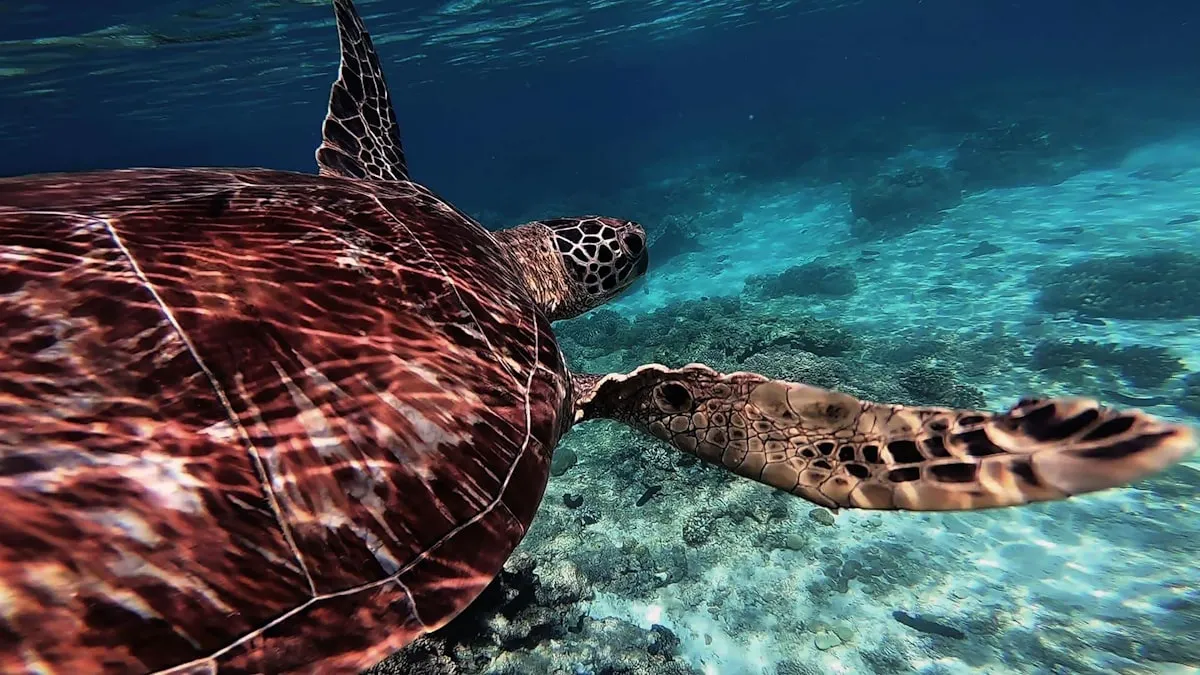
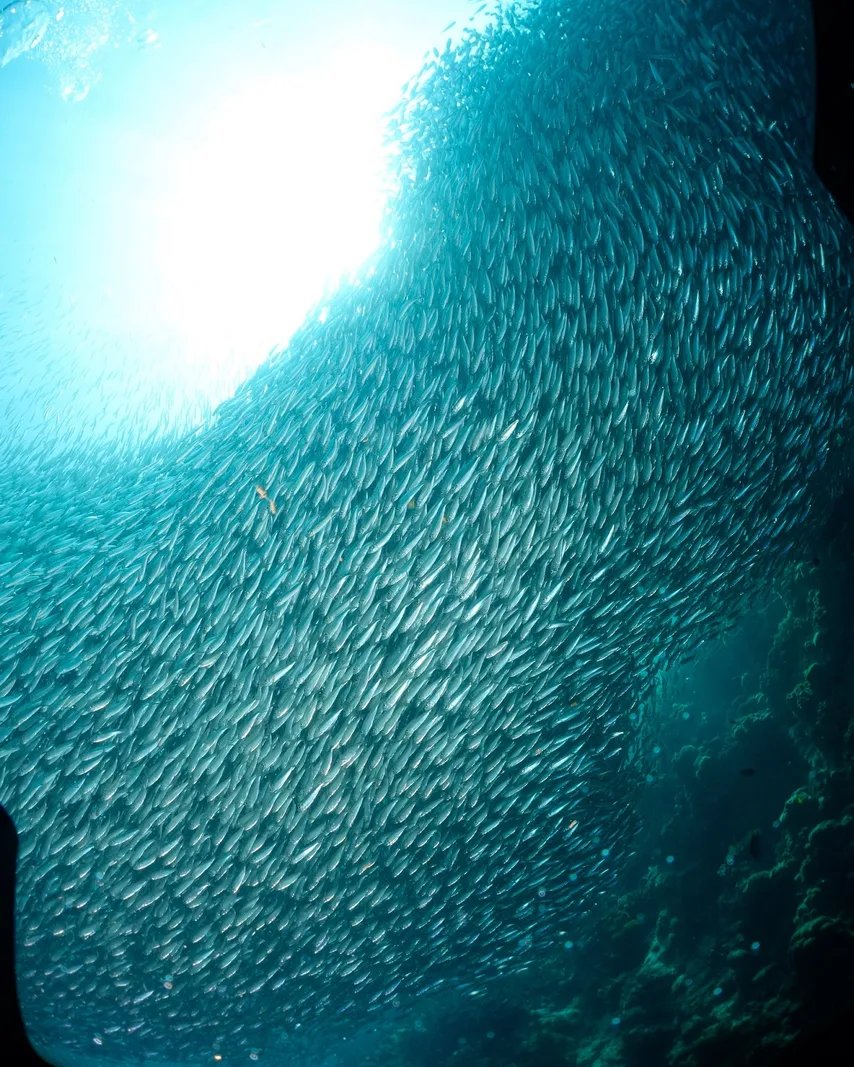
- Moalboal (Cebu) - the standout for beginners: a calm house-reef wall right off the beach, the famous year-round sardine run, and resident sea turtles, all in shallow, easy water. Cheap and sociable. Ideal for an Open Water course and first fun dives.
- Dauin / Dumaguete (Negros) - gentle shore dives, great value, and easy access to Apo Island's turtles. A relaxed, friendly learning base.
- Puerto Galera (Mindoro) - the closest world-class diving to Manila, with a huge choice of dive schools and a spread of easy reef sites alongside more advanced ones.
- Anilao (Batangas) - calm, shallow sites near Manila, perfect for a weekend course; also the macro capital if you catch the bug.
- Bohol (Panglao) - resort-style comfort with gentle reefs, Balicasag Island's turtles and fish, and a holiday vibe for non-diving companions.
- Boracay - convenient for combining learning to dive with a beach holiday, with easy reef sites.
Intro Dive vs Full Certification
- Discover Scuba Diving (DSD) - a half-day intro dive with an instructor, no certification, to see if you like it. Roughly PHP 2,500 to 4,500. Great for the curious or short-on-time.
- PADI/SSI Open Water - the full entry certification (3 to 4 days) that lets you dive worldwide to 18 metres. Roughly PHP 16,000 to 28,000 depending on location. The smart choice if you want to keep diving.
Compare dive schools and intro dives on our activities page.
What Beginner Dives Cost in 2026
- Discover Scuba dive: PHP 2,500 to 4,500.
- Single fun dive (certified): PHP 1,200 to 1,800, often cheaper in multi-dive packages.
- Open Water course: PHP 16,000 to 28,000, usually including gear, materials and certification.
- Equipment rental: PHP 500 to 900 per day.
What to Expect on Your First Dive
Your instructor will brief you on simple hand signals, how to clear your mask and regulator, and how to equalise your ears as you descend slowly. You will start in shallow, calm water, breathe slowly and continuously (never hold your breath), and let the instructor manage your buoyancy at first. It feels strange for the first few minutes, then magical. Listen carefully, go at your own pace, and never feel pressured - a good instructor prioritises your comfort.
Trip.com
See all tours in Philippines on Trip.comDiving in Philippines
Hand-picked experiences in Philippines — book on Trip.com with instant confirmation.
Beginner Safety Tips
- Choose a reputable centre with small student-to-instructor ratios and well-maintained gear, not just the cheapest.
- Be honest on the medical form - declare any conditions; some require a doctor's sign-off.
- Do not fly within 18 to 24 hours of your last dive, so plan a buffer day before departure.
- Stay hydrated, avoid alcohol before diving, and equalise early and often on descent.
- Use reef-safe sunscreen and never touch coral or marine life.
Pick a base, then sort flights on our flights page and where to stay near your dive town on our stays page.
What You Will Actually See on Beginner Dives
One of the joys of learning here is that even your first, shallow training dives are full of life - this is the Coral Triangle, the most biodiverse marine region on earth. On a typical beginner dive you can expect colourful coral reefs, clouds of reef fish (clownfish in their anemones, parrotfish, butterflyfish, angelfish), and very often sea turtles grazing or cruising past, which never fails to thrill new divers. Depending on the site you might spot moray eels, cuttlefish, pufferfish, lionfish and clouds of glassfish. At Moalboal you could be hovering near the famous sardine bait ball on an early dive; at Dauin you might meet your first frogfish. It is a world away from the featureless training tanks of cold-water destinations - the marine life is the whole point, and it is right there from the start.
Common Beginner Worries, Answered
New divers usually share the same anxieties, so here is reassurance. "What about my ears?" - you equalise gently and frequently as you descend; it is easy once shown, and you never force it. "What if I panic?" - you start in shallow, calm water with an instructor at arm's length, and you learn to simply stop, breathe and signal; the pace is yours. "Is it claustrophobic?" - most people find the opposite, a feeling of weightless freedom in open water. "What about sharks?" - beginner sites have harmless reef life; the gentle reef sharks you might glimpse have no interest in divers. "Am I too unfit/old?" - you need only basic water comfort, and people from their teens to their seventies learn here. A good instructor's entire job is to keep you calm, safe and enjoying it - never be afraid to communicate or slow down. Browse intro dives and courses on our activities page and read our destination dive guides on the blog.
Choosing the Right Dive Centre
For beginners, the dive centre matters far more than the location or the price, so choose carefully. Look for small student-to-instructor ratios (ideally four or fewer per instructor on an Open Water course) so you get proper attention; well-maintained, complete rental gear that fits you; and instructors who speak your language fluently and have good reviews. A reputable centre takes your comfort seriously, never rushes or pressures you, and is transparent about what is included (certification fee, materials, gear) so there are no surprise add-ons. Trust your gut at the dive shop - a calm, professional, unhurried vibe is a great sign, while a chaotic, sales-pushy or corner-cutting operation is a red flag. Paying a little more for a quality centre with great instructors is the best money you will spend, because your first underwater experiences shape whether you fall in love with diving or never go back.
Building a Beginner Dive Trip
A great first dive trip combines learning with relaxed reef time. A popular plan: base in a beginner-friendly town like Moalboal, Dauin or Panglao for about a week, spend the first three or four days on your Open Water course, then enjoy a couple of days of easy fun dives putting your new skills to use on the local reefs - meeting turtles, sardines and coral life without the pressure of training. Build in a buffer day before flying (no flying within 18 to 24 hours of your last dive). For non-diving companions, these towns also offer beaches, snorkeling and day trips, so nobody is bored. From here, the whole country opens up: once certified, you can return to dive Malapascua's threshers, Coron's wrecks or eventually Tubbataha. The Philippines is the perfect place not just to learn, but to keep diving for years - plan your trip with our trip planner and find where to stay on our stays page.
Frequently Asked Questions
Where is the best place to dive for beginners in the Philippines?
Moalboal in Cebu is a top beginner choice for its calm, shallow house reef, year-round sardine run and resident turtles. Other excellent options are Dauin/Dumaguete, Puerto Galera and Anilao (near Manila), and Panglao in Bohol for a more resort-style experience.
Do I need to be certified to try scuba diving?
No. You can do a Discover Scuba Diving intro dive with an instructor (no certification, roughly PHP 2,500 to 4,500) to try it. If you enjoy it, the PADI or SSI Open Water course (PHP 16,000 to 28,000) certifies you to dive worldwide.
Is diving in the Philippines safe for beginners?
Yes, when you choose a reputable dive centre with small instructor ratios and good equipment. Many beginner sites are shallow, calm and current-free, the water is warm, and instructors are professional and English-speaking. Be honest on the medical form and follow your instructor's guidance.
How much does it cost to try diving in the Philippines?
A Discover Scuba intro dive costs roughly PHP 2,500 to 4,500, a single fun dive for certified divers PHP 1,200 to 1,800, and a full Open Water course PHP 16,000 to 28,000, usually including gear, materials and certification.
Can I fly after scuba diving?
Not immediately. You should wait at least 18 to 24 hours after your last dive before flying to avoid decompression sickness, so plan a buffer day before your departure flight.

PANA.PH Editorial Team
Philippines travel desk
The PANA.PH travel desk researches, books and re-checks Philippines travel logistics — fares, ferry schedules, government fees and permit rules — and publishes what it can verify.
🏡 Real local stays (book direct)
Hand-picked homestays and guesthouses — book direct, no markup.
Browse all local stays →
🌊 Popular activities (book instantly)
Island hopping, canyoneering, whale sharks — real Klook/GetYourGuide options.
View all activities →