PHPANA.PH Team · Philippines travel teamPublished June 15, 2026 · 3 min read
Most people picture the Philippines as beaches, but climb into the mountains of northern Luzon and you find a completely different country: cool pine-scented air, emerald rice terraces carved into the slopes over centuries, and villages where ancient traditions are still alive. Banaue, Batad and Sagada offer a side of the archipelago that surprises even seasoned travelers. If you want depth, culture and crisp mountain mornings instead of sand, this is your region.
The rice terraces of Banaue and Batad
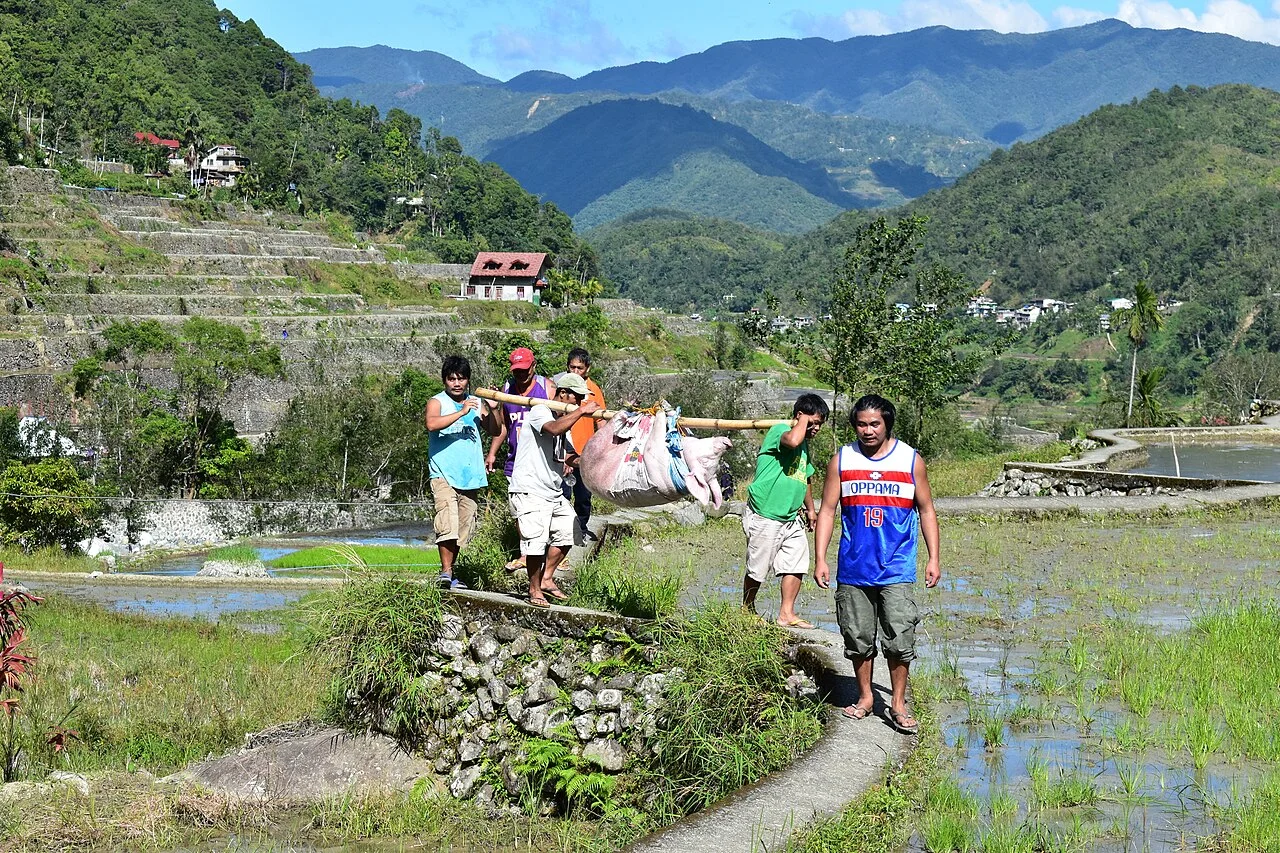
The rice terraces around Banaue were hand-carved into the mountainsides by the Ifugao people generations ago, following the natural contours of the land. Stand at a viewpoint and the scale is humbling: tier upon tier of green steps climbing toward the clouds, still farmed by hand today.
For the most spectacular views, travelers continue to Batad, where the amphitheater-shaped terraces are widely considered the finest. Reaching Batad involves a rough road and then a walk, which keeps the crowds thinner and the reward greater. A local guide enriches the visit enormously, sharing the farming cycle and culture behind the landscape.
Book ferries & transfers in the Philippines
Manila to Palawan, Batangas to El Nido, Cebu to Bohol — book inter-island ferries and airport transfers easily.
Sagada: caves, coffins and quiet
A winding mountain road connects the terraces region to Sagada, a serene town famous for its dramatic limestone landscape and unique traditions. The most striking sight is the hanging coffins, an age-old burial practice where coffins are placed on cliff faces, best viewed respectfully and with a guide who can explain their meaning.
Sagada is also caving country. Guided spelunking through its cave systems is a genuine adventure, scrambling over rock formations and through underground chambers. Above ground, sunrise viewpoints over a sea of clouds, pine forests and waterfalls round out a town that rewards slow exploration.
Cool weather and what to pack
The biggest surprise for first-timers is the temperature. At altitude, the mountain north is genuinely cool, and evenings can be cold by Philippine standards. Pack a warm layer, a light jacket and proper walking shoes, none of which you would think to bring for a tropical country. This is exactly what makes the region feel like a different world.
How to get there
The mountain north is reached overland, most commonly by a long bus journey from Manila that climbs through the Cordillera ranges. It is a real journey rather than a quick hop, with night buses a popular option to save daytime hours. From the main hubs, local jeepneys and vans connect the villages and viewpoints.
Because the routes are long and winding, it pays to plan your days carefully and not rush. Our trip planner helps you sequence a northern loop sensibly, and you can find more regional stories on the PANA.PH blog.
Travel with respect
These are living communities with deep traditions, not open-air museums. Hire local guides, who both enrich your visit and support the villages directly. Ask before photographing people, follow the rules at sacred sites like the hanging coffins, and tread lightly on the terraces, which are working farmland. Done right, a trip here is one of the most meaningful experiences the Philippines offers.
Frequently Asked Questions
Are Banaue and Batad the same place?
They are close but distinct. Banaue is the main town and gateway with famous viewpoints, while Batad is a more remote village whose amphitheater-shaped terraces are considered the most spectacular. Reaching Batad involves a rough road and a walk, which keeps it quieter.
What is special about Sagada?
Sagada is known for its limestone landscape, guided caving adventures, sunrise over a sea of clouds, and the historic hanging coffins placed on cliff faces. It has a calm, cool atmosphere quite different from the rest of the country.
Do I need warm clothes?
Yes. The mountain north sits at altitude and is genuinely cool, with cold evenings by Philippine standards. Pack a warm layer, a light jacket and sturdy walking shoes, which most beach-focused travelers forget to bring.
How do I get to the mountain north?
It is reached overland, most commonly by a long bus journey from Manila through the Cordillera mountains, with night buses a popular time-saver. From the main towns, jeepneys and vans connect the terraces, villages and viewpoints.