Ifugao Rice Terraces: The Living Cultural Landscape of the Philippines
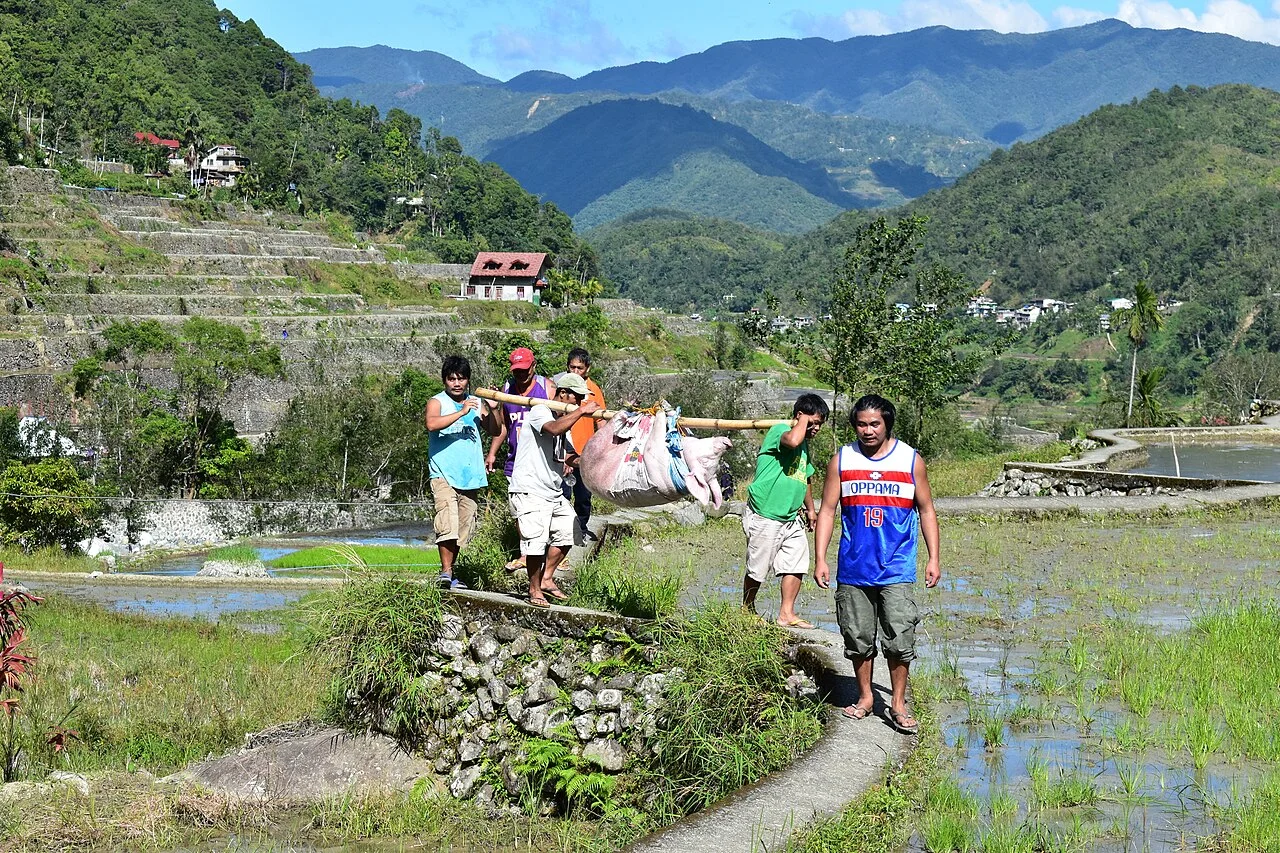
Two thousand years ago, in the mountains of what is now Ifugao Province in the Cordillera region of northern Luzon, indigenous communities began carving terraces into the steep mountain slopes to create agricultural land for growing rice. Working with only hand tools, they shaped the mountains into a system of interlocking rice paddies covering approximately 10,360 hectares across multiple clusters. The result - a living, working agricultural landscape that has operated continuously for two millennia - is one of the most extraordinary human achievements anywhere on Earth and is recognized as a UNESCO World Heritage Site.
The Ifugao People and Their Culture
The Ifugao people built and maintain the rice terraces as part of a comprehensive indigenous knowledge system that encompasses agricultural techniques, irrigation engineering, forest management, ritual practices, and social organization. The terraces are not museum pieces - they are living farms where Ifugao families grow traditional varieties of heirloom rice using the same techniques their ancestors used two thousand years ago. The Ifugao culture includes an extraordinary oral literary tradition (the Hudhud chants, inscribed on the UNESCO Intangible Cultural Heritage list), complex systems of customary law, and rich material culture in weaving, basket-making, and woodcarving.
The Main Terrace Clusters
Banaue Viewpoint
The most visited location in the Ifugao rice terrace system. The viewpoint above Banaue town provides the classic panoramic view of terraces stair-stepping down multiple mountain faces into a deep valley. Sunrise viewing (arriving before 6am) provides the most dramatic photography when mist fills the valleys between the terrace walls. This is the view that appears on the old Philippine thousand-peso bill.