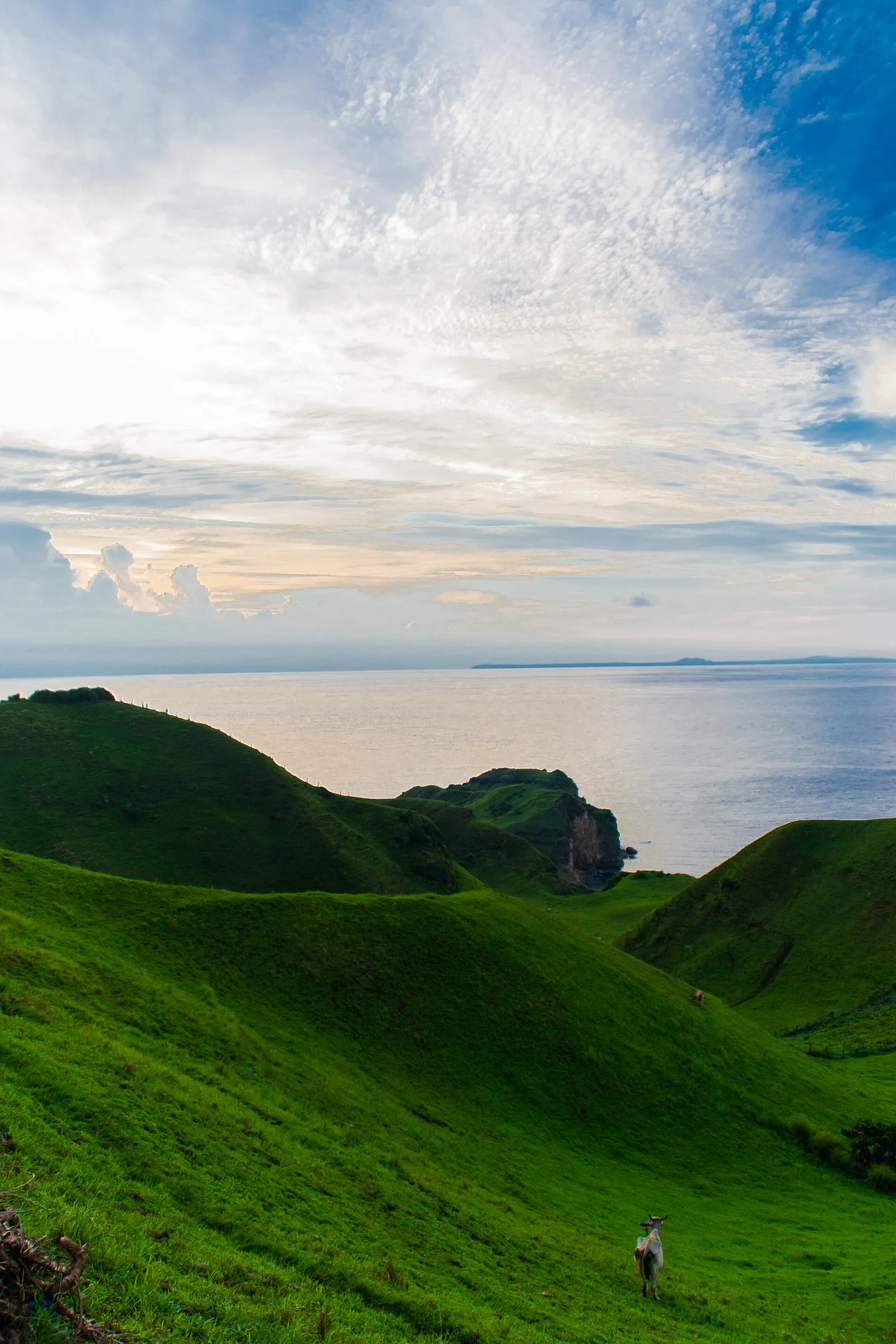
How to Get to Batanes: Flights, Budget Tips & What to Expect
Let us start with honesty: getting to Batanes is not easy, not cheap, and not entirely within your control. The province sits at the top of the Philippine archipelago, 250 km north of the nearest Luzon airport, reachable only by air (there is no regular passenger ferry). Flights are limited to one or two per day, operated by two carriers. Weather cancellations happen with a frequency that makes tight itineraries inadvisable. The accommodation is modest by Philippine tourism standards. A week in Batanes will cost more than a week in Boracay.
This is not a deterrent. It is a description of the conditions under which Batanes has remained one of the most extraordinary travel destinations in Southeast Asia — less visited than almost any comparable destination, more intact, more genuinely itself. The barrier to entry is part of what keeps Batanes Batanes. Go in knowing what you are signing up for and you will not be disappointed. Go expecting Boracay logistics and you may be frustrated.
The Only Way In: Flights to Basco
Basco Airport (BQO) is the only commercial airport in Batanes, located on Batan Island, the main inhabited island. Two carriers fly the Manila–Basco route:
- Philippine Airlines (PAL) — the primary carrier, operating once daily on most days. Flight time is approximately 1 hour 20 minutes.
- SkyJet Airlines — a smaller carrier that operates on some routes; availability and schedules vary seasonally.
There are no direct flights from Cebu, Clark, or other Philippine hubs; all commercial flights to Batanes originate in Manila (NAIA Terminal 2 for PAL).
How to Book
Book directly through the airline websites (pal.com.ph, skyjetair.com) or through Philippine OTA platforms. Book as far in advance as possible — Batanes flights sell out quickly, particularly during peak season (March–May) and holidays. The Manila–Basco route has limited seat capacity and high demand relative to supply.
Ticket Prices
Expect to pay PHP 4,000–10,000+ one way, depending on how far in advance you book, the carrier, and the season. Round-trip costs of PHP 8,000–20,000 per person are realistic. This is the single largest budget item for most Batanes trips.
Tip: Check mid-week flights (Tuesday, Wednesday, Thursday) for lower fares. Book at least 3–4 weeks in advance during dry season. Promotional fares do appear occasionally — set up PAL price alerts or check frequently during sale periods.
The Weather Cancellation Reality
This needs to be said clearly: Batanes flights are cancelled regularly due to weather. The airport is small, the approach procedure is demanding, and the weather in the Luzon Strait is genuinely unpredictable and often severe. During typhoon season (July–October), cancellations can ground flights for multiple consecutive days.
Practical implications:
- Never book a Batanes trip with a tight departure schedule. Build at least one buffer day at the beginning (in case your inbound flight is delayed) and one at the end (in case your outbound flight is delayed).
- Do not schedule important events (meetings, connecting international flights) within 48 hours of your Basco flight.
- Travel insurance covering trip delays/cancellations is highly recommended for Batanes.
- If stranded: Manila–Basco cancellations typically result in rebooking on the next available flight. PAL generally handles rebooking well.
Getting Around Batanes
Once you arrive in Basco, internal transport options are:
- Tricycles: The standard local transport; available in Basco for town trips (PHP 10–30 per ride). Not suitable for the full island circuit.
- UV Express vans: Shared vans covering main routes within Batan Island.
- Hired vehicle + driver-guide: The most practical option for most visitors. A driver-guide for a full day costs PHP 2,000–3,500 and covers all the main sites. Most guesthouses can arrange this.
- Bicycle rental: PHP 250–500/day; excellent for the island circuit at a leisurely pace. See our Batanes Cycling Tour.
- Motorcycle rental: Available from some shops for experienced riders; the roads are good but terrain is hilly.
For Sabtang Island: boat (falowa) from Ivana Port, about 12 km south of Basco (PHP 180–250/person, 45 minutes). Boats subject to sea conditions. Our Sabtang Island Cultural Immersion tour arranges this seamlessly.
Where to Stay in Batanes
Accommodation in Batanes is modest — do not expect beach resort standards. The options range from basic guesthouses to small heritage-style inns, mostly concentrated in Basco. Typical costs:
- Budget guesthouses: PHP 800–1,500/night (fan room, shared or private bathroom)
- Mid-range inns: PHP 2,000–3,500/night (air-con, en-suite bathroom)
- Heritage homestays: PHP 1,500–4,000/night (traditional Ivatan-style accommodation)
Book accommodation before you book flights — Batanes has limited rooms and good options fill fast during peak season.
Budget Planning: How Much Does Batanes Cost?
A realistic per-person budget for 4 nights/5 days in Batanes (excluding flights):
- Accommodation (4 nights mid-range): PHP 8,000–12,000
- Food (3 meals/day, local restaurants): PHP 3,000–5,000
- Tours and transport (driver-guide, Sabtang boat, bicycle): PHP 5,000–8,000
- Entrance fees and miscellaneous: PHP 1,000–2,000
- Total land cost (excluding flights): PHP 17,000–27,000
Add flights (PHP 8,000–20,000 round trip) for a total trip cost of PHP 25,000–47,000 per person for a proper Batanes experience. This is significantly more than most Philippine domestic destinations — and significantly less than comparable experiences in Thailand, Vietnam, or Japan that offer far less genuine discovery.
Best Time to Visit Batanes
- March–May: Peak season; warm, generally clear, flights most reliable. Most expensive and most crowded (though "crowded" is relative — Batanes never truly crowds).
- November–February (Amihan season): Cool and breezy; flying fish season; some rough sea days but generally good flying. Off-peak pricing on accommodation.
- June–October (typhoon season): Higher cancellation risk; some weeks of prolonged disruption possible; only for flexible, experienced travellers with high weather tolerance.
What to Pack
- Light jacket or fleece — Batanes is the coolest Philippine province
- Rain jacket — always
- Comfortable walking shoes and sandals
- Reef-safe sunscreen
- Cash (PHP) — ATMs exist in Basco but are not always reliable; bring sufficient cash from Manila
- Power bank — electricity can be intermittent
- Camera with extra batteries and memory cards
Batanes is the Philippines at its most remote and most magnificent. The logistics are demanding, the cost is real, and the rewards are incomparable. Plan carefully, pack flexibility, and prepare to have your expectations exceeded.