Port Barton
Intro
If El Nido is Palawan's poster child, Port Barton is the quiet sibling who never wanted the spotlight - and that is exactly why you will love it. Tucked on the western coast of Palawan between Puerto Princesa and El Nido, this tiny fishing village trades crowds and party boats for hammock-strung beaches, barefoot guesthouses, and a single sandy main road where the loudest sound is usually a passing tricycle.
For years, Port Barton ran on generator power for only part of the day, and while 24-hour electricity has arrived for most of the village, the off-grid spirit is still very much alive. Phone signal is patchy, internet is slow, and that is the whole point. Travelers come here to slow down: to swim with sea turtles in the morning, doze in a hammock through the heat of the afternoon, and watch the sun melt into the Sulu Sea. The bay is dotted with little islands and sandbars, the snorkeling is genuinely excellent, and the welcome is warm and unhurried.
First-timer essentials
- Visa: Most nationalities (US, UK, EU, Australia, and many ASEAN passports) enter the Philippines visa-free for 30 days, extendable in-country. Always confirm current rules for your nationality before you fly.
- Currency: The Philippine peso (PHP). At the time of writing, roughly USD 1 = PHP 56-58 and EUR 1 = PHP 60-62, but check live rates before you travel.
- Health: No mandatory vaccinations for most travelers, but hepatitis A and typhoid are commonly recommended. Drink bottled or filtered water, use mosquito repellent (dengue exists), and bring any personal medication, as the local pharmacy stock is very limited.
- Money & ATMs: This is the big one - Port Barton is largely a cash town and ATMs are unreliable or out of service. Bring enough pesos in cash for your entire stay (withdraw in Puerto Princesa or El Nido before you arrive). Many guesthouses, restaurants, and tour operators accept cash only.
- Safety: Port Barton is very safe and relaxed, with a tight-knit community feel. Standard precautions apply: watch your footing on boats and rocks, use reef-safe sunscreen, respect strong currents when snorkeling, and keep valuables secure. Solo and female travelers generally report feeling comfortable here.
Top things to do
- Island hopping around the bay - The headline activity. A full-day group boat tour visits a rotating set of islands, sandbars, and snorkeling spots (commonly including Exotic Island, German Island, Paradise Island, and a turtle-spotting reef). Expect around PHP 1,200-1,800 per person for a standard group tour including lunch; private boats run higher.
- Snorkel with sea turtles - One of Port Barton's signature experiences. Green sea turtles graze on the seagrass beds just offshore, and most island-hopping tours stop at a dedicated turtle area where sightings are common. Often included in the island-hopping price.
- Chase a waterfall - Inland from the village, Bigaho Falls and Pamuayan Falls offer freshwater swims under the jungle canopy. A guided half-day trip is roughly PHP 800-1,500 per person, or DIY by tricycle for less.
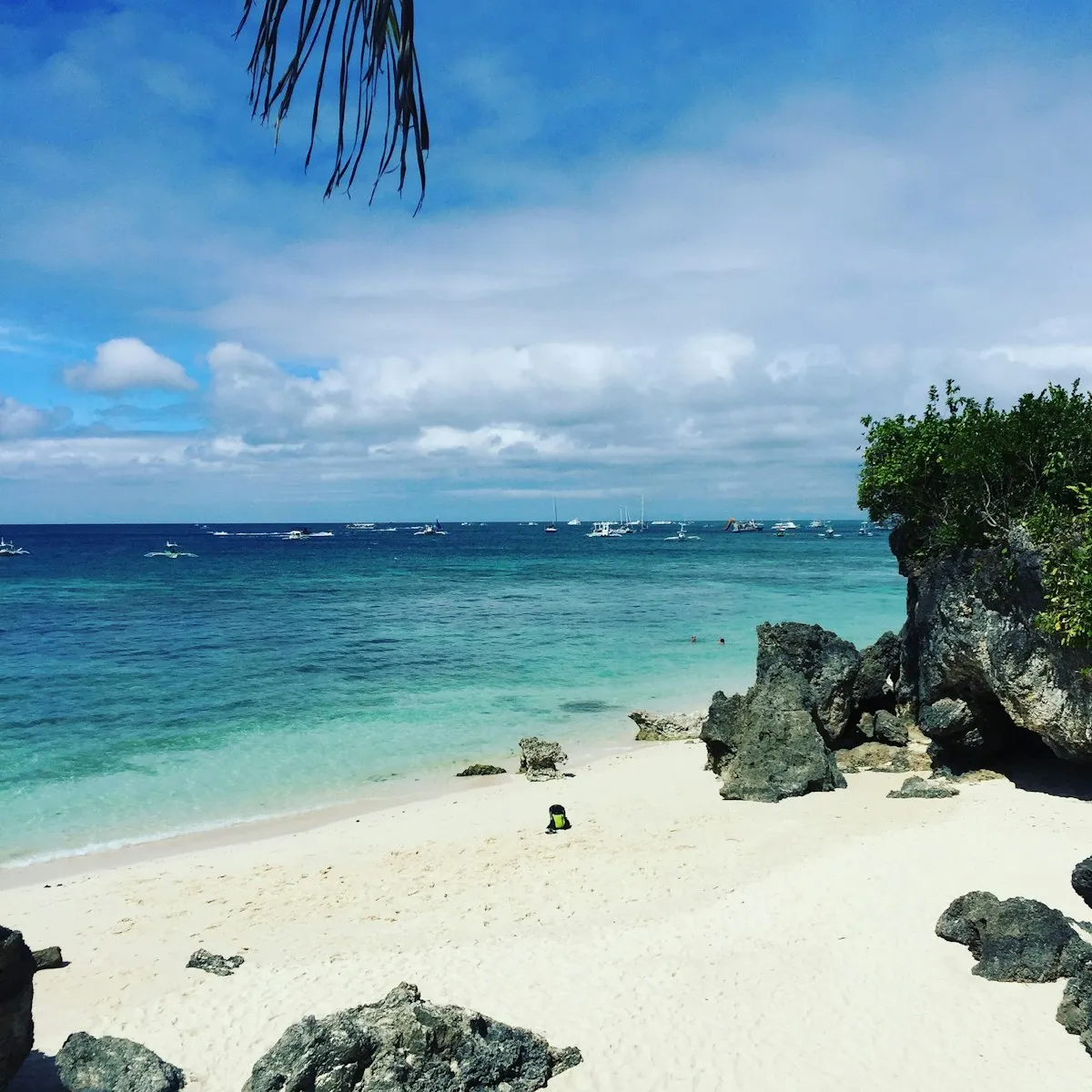
- Beach-hop the main shoreline - You do not even need a boat. Walk the soft sand of Port Barton's main beach, then continue around the headland to quieter coves like White Beach and Coconut Garden. Free, apart from the occasional cold drink.
- Sunset and stargazing - With minimal light pollution, evenings here are special. Grab a fresh buko (around PHP 50-80) or a San Miguel beer (PHP 70-100), find a beachfront bar, and watch the sky put on a show.
- Stand-up paddleboard or kayak the bay - Calm morning water makes the bay perfect for paddling out to nearby islets. Rentals typically cost PHP 300-500 per hour from beachfront operators.
Best time to visit
The dry season runs roughly December to May, and this is the prime window for Port Barton: calm seas, reliable island-hopping conditions, and clear water for snorkeling. March to May is hottest and busiest. The wet season (June to November) brings more rain and occasional rough seas that can cancel boat tours, but it also means fewer travelers, lower prices, and lush green hills. The shoulder months of November and early December can be a sweet spot. Always build in a buffer day if you have onward flights.