PHPANA.PH Team · Philippines travel teamPublished June 16, 2026 · 3 min read
The Philippines can suit almost any budget, from shoestring backpacking to comfortable mid-range and full luxury, which is a big part of its appeal. Rather than quoting prices that quickly go out of date, this guide focuses on how to think about your budget, where the money actually goes, and how to stretch it further. Always check current prices close to your trip, since costs change and vary by region and season.
Where your money goes
Your travel budget breaks down into a few main buckets: accommodation, food, transport between and within islands, activities and tours, and miscellaneous extras. Understanding the balance between them helps you plan realistically.
Accommodation
This is usually the biggest single cost and the easiest to control. The Philippines offers everything from simple guesthouses and hostels to mid-range hotels and high-end resorts, so your choice here largely sets your overall budget level. Booking ahead in peak season helps both availability and price.
Book ferries & transfers in the Philippines
Manila to Palawan, Batangas to El Nido, Cebu to Bohol — book inter-island ferries and airport transfers easily.
Food
Eating is where the Philippines can be wonderfully affordable. Local eateries and street food are inexpensive and a highlight in their own right, while tourist-facing restaurants and resorts cost considerably more. Mixing the two keeps both your wallet and your taste buds happy.
Transport
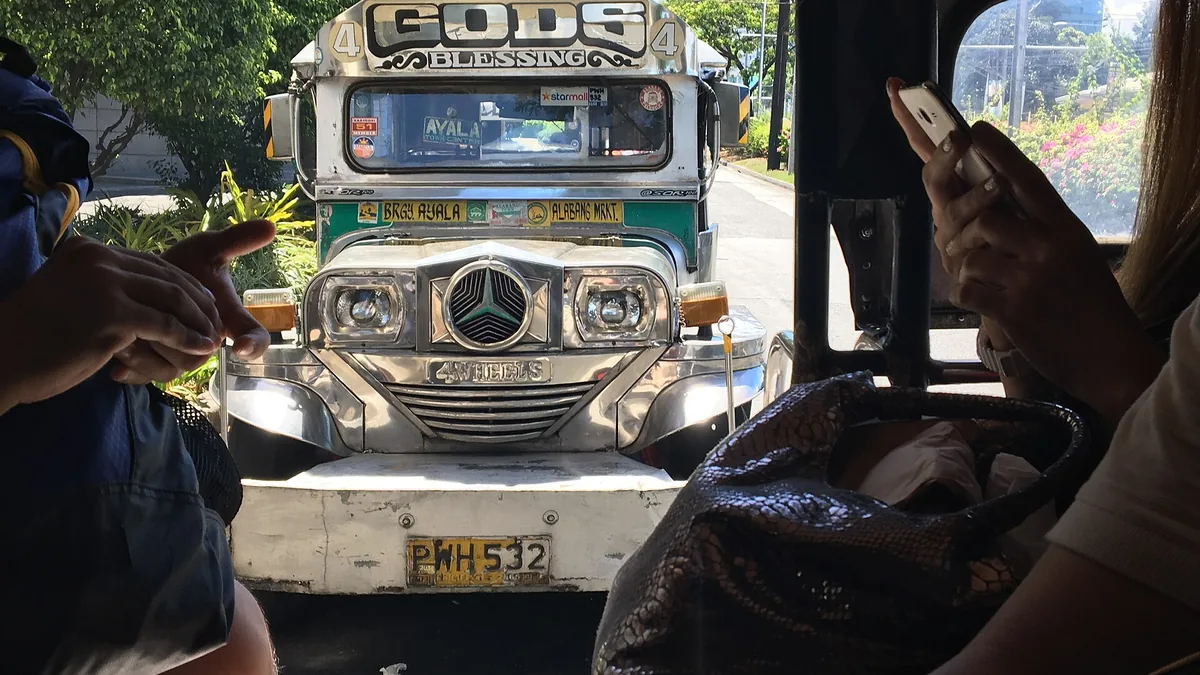
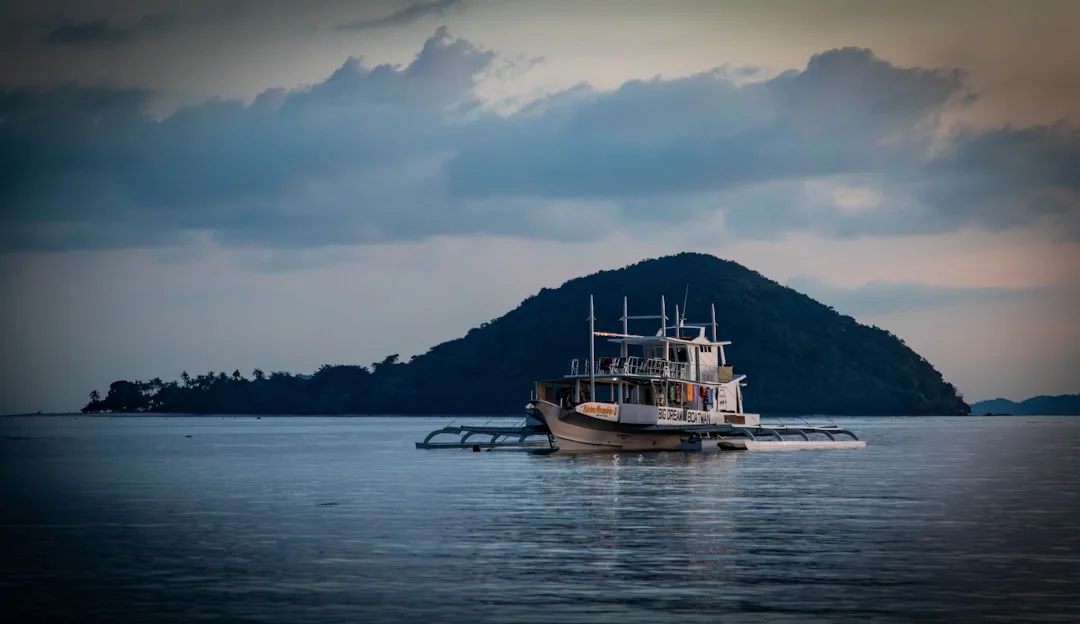
Inter-island flights and boats are a meaningful part of a Philippines budget because the country is so spread out. Within destinations, local transport like jeepneys, tricycles and ride-hailing is generally cheap. Booking domestic flights early tends to save money.
Activities
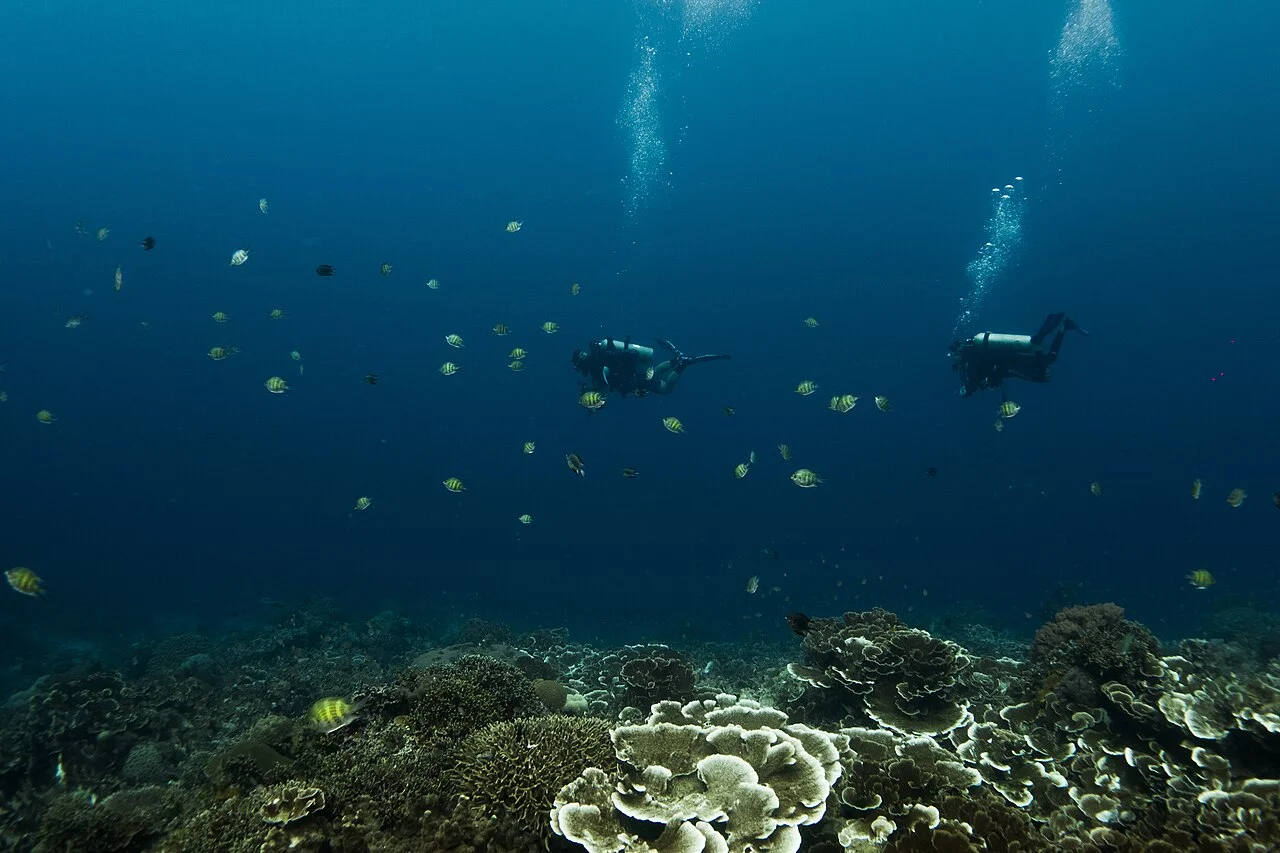
Island-hopping tours, diving, and entrance fees add up, and they are often the most memorable part of the trip, so it is worth budgeting for them deliberately rather than treating them as an afterthought. Compare options among our activities before you go.
Backpacker vs comfort travel
Budget travelers stretch their money with hostels, street food, public transport and group tours, and the Philippines rewards this style generously. Mid-range travelers enjoy private rooms, a mix of dining and the occasional private tour. At the top end, resorts and private boats deliver comfort and convenience at a premium. The same destinations welcome all three.
How to save
The biggest savings come from traveling in the shoulder season, booking domestic flights early, eating local, and choosing destinations with lower costs. Limiting how many islands you hop also cuts transport spending. Our trip planner helps you sequence a route that keeps transfers, and therefore costs, sensible.
Frequently Asked Questions
Is the Philippines expensive to travel?
It can suit almost any budget. Backpackers can travel very affordably with hostels, street food and public transport, while mid-range and luxury options are also widely available. Your accommodation and tour choices largely set the overall cost.
What is the biggest travel expense?
Accommodation is usually the largest single cost and the easiest to control. Inter-island flights and boats are also a significant part of a Philippines budget because the country is spread across many islands.
How can I save money in the Philippines?
Travel in the shoulder season, book domestic flights early, eat at local eateries and street food stalls, limit how many islands you hop, and choose lower-cost destinations. These steps make the biggest difference.
Is street food worth it on a budget?
Yes. Local eateries and street food are inexpensive and a genuine highlight of Philippine travel. Mixing them with the occasional restaurant meal keeps costs down while still enjoying variety.