PHPANA.PH Team · Philippines travel teamPublished June 15, 2026 · 4 min read
Seven days in a country of more than 7,000 islands sounds impossible to plan, and that is exactly why so many first-timers overpack their schedule and spend half the trip in airports. Here is the honest truth: with one week, the smartest move is Manila plus one island, done well. This guide shows you how to build that trip so you come home relaxed and already planning your return, instead of exhausted from chasing too much.
The one-week rule: do less, see more
The Philippines rewards travelers who slow down. Islands are spread out, and hopping between them eats half-days in transfers and domestic flights. For a first visit of seven days, resist the urge to tick off three regions. Land in Manila to break the long-haul journey, then commit to a single island that matches the trip you want. You will trade a packed checklist for actual memories.
If you want to map the days against real dates and flights before you commit, our trip planner makes it easy to see how the pieces fit together.
Book Philippines tours & activities
Island hopping, whale shark watching, canyoneering and more. Best prices on GetYourGuide & Klook.
Days 1-2: Manila, ease in
Most international flights arrive in Manila, and the first day is best spent recovering from the journey rather than rushing. Wander the old walled district of Intramuros, try your first plate of adobo or sinigang, and let your body adjust to the heat and time zone. One full day is plenty before you fly onward the next morning.
Days 3-6: pick your one island
This is where your trip takes its character. Choose based on what you most want.
For dramatic scenery: El Nido, Palawan
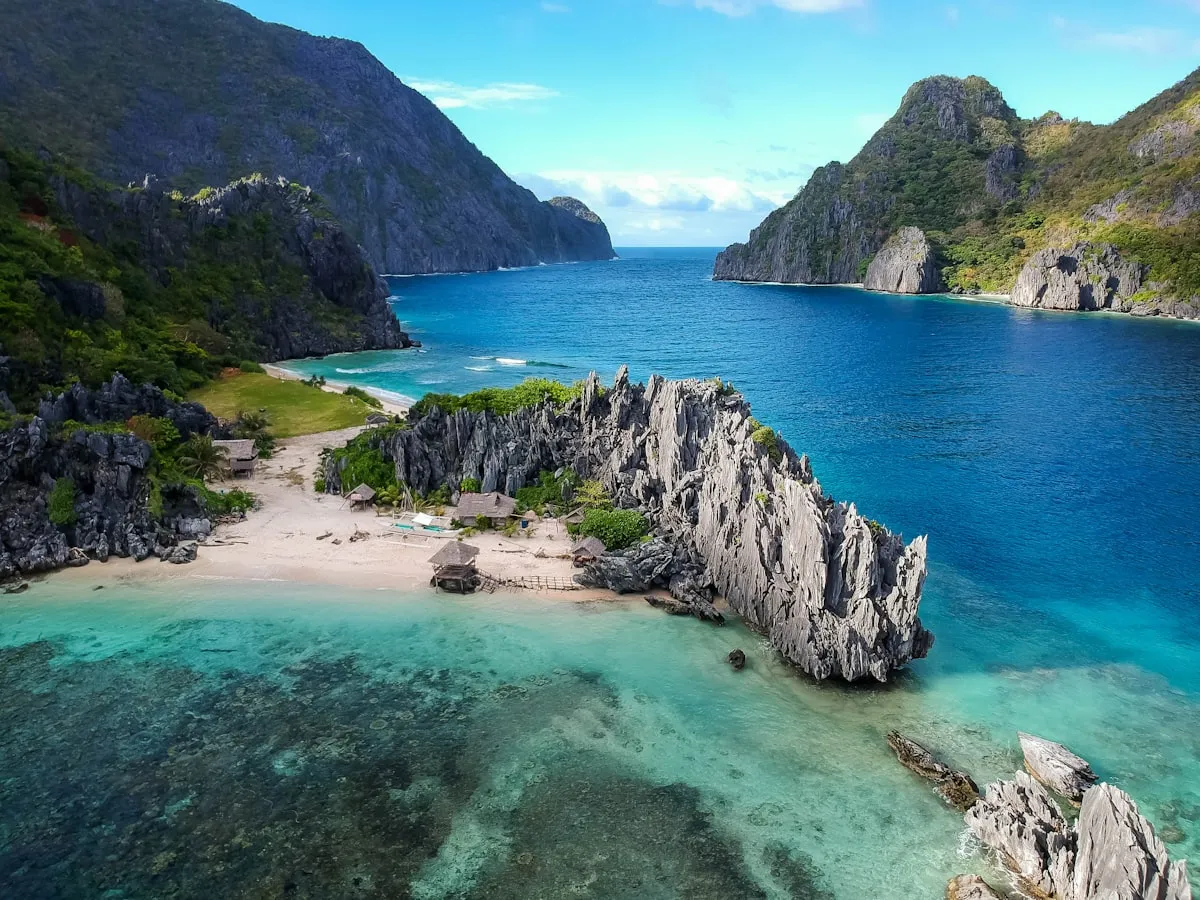
If your dream is limestone cliffs and hidden lagoons, fly to El Nido. Spend your days on island-hopping boat tours (labeled Tour A through D), kayaking into secret coves and snorkeling over coral. It is the most photogenic choice and the one most first-timers fall hardest for.
For variety and ease: Cebu
Cebu has an international airport and a bit of everything within reach: turquoise Kawasan Falls, the famous sardine run at Moalboal, and an easy ferry hop to Bohol for the Chocolate Hills. Choose Cebu if you want beaches, nature and adventure without committing to a single vibe.
For laid-back island life: Siargao
Surf island or not, Siargao charms everyone with its palm-lined roads, natural rock pools and three-island boat trips. Pick it if your idea of paradise is a hammock, a scooter and zero pressure to do anything at all.
Day 7: slow morning, then home
Keep the last day gentle. Enjoy a final swim, grab some dried-mango pasalubong, and fly back to Manila for your international connection. Always leave a generous buffer between the domestic and international flights, because weather delays happen.
Practical tips for a smooth first trip
- Book domestic flights early and travel light, since budget carriers have tight baggage limits.
- Carry cash. Small islands and boat operators rarely take cards, and ATMs can be scarce.
- Season matters. The dry season is generally calmer for boat trips; check our best time to visit guide before locking dates.
- English is widely spoken, so communication is easy across the country.
Frequently Asked Questions
Is 7 days enough for the Philippines?
Yes, for a focused trip. One week is ideal for Manila plus a single island explored properly. Trying to fit in multiple regions in seven days usually means too much time in transit and not enough actually enjoying the places.
Which island is best for a first-timer?
El Nido for jaw-dropping scenery, Cebu for variety and easy logistics, or Siargao for a relaxed island vibe. All three work well in a week; choose based on whether you prioritize landscapes, range of activities, or pure relaxation.
Do I need to fly between islands?
Usually yes for the main hop from Manila, since the best islands are a domestic flight away. Within a region, boats and short ferries cover shorter distances. Book the domestic legs in advance during peak season.
How much should I budget?
It varies widely by island, season and travel style, so we avoid quoting fixed numbers. The biggest costs are flights and nicer accommodation; food, local transport and group tours tend to be affordable. Plan early to avoid last-minute prices.