The Hinatuan Enchanted River defies easy description. It is a river - connected to the sea through underground passages in the limestone - but its color is not the color of a river. The water is a luminous, electric cobalt blue that deepens toward a near-purple in certain light, the product of the extraordinary clarity of the water and the depth of the channel below. The river has been called many things: the river without a source (its origin through the limestone is not fully mapped), the sacred river (the local indigenous communities consider it a spirit site), and most commonly the Enchanted River (because it looks like something that should not exist).
What Makes It Unusual
Several things combine to create the Hinatuan Enchanted River's distinctive character:
- The color - the water is that specific shade of blue that occurs when exceptionally clear water is viewed over significant depth. The channel drops to 8 meters in the main swimming area and deeper in the unmapped underwater cave passages beyond.
- The clarity - visibility in the river is reported to exceed 20 meters. You can see the bottom of the swimming area with absolute precision, including the underwater cave entrances that connect the river to the sea.
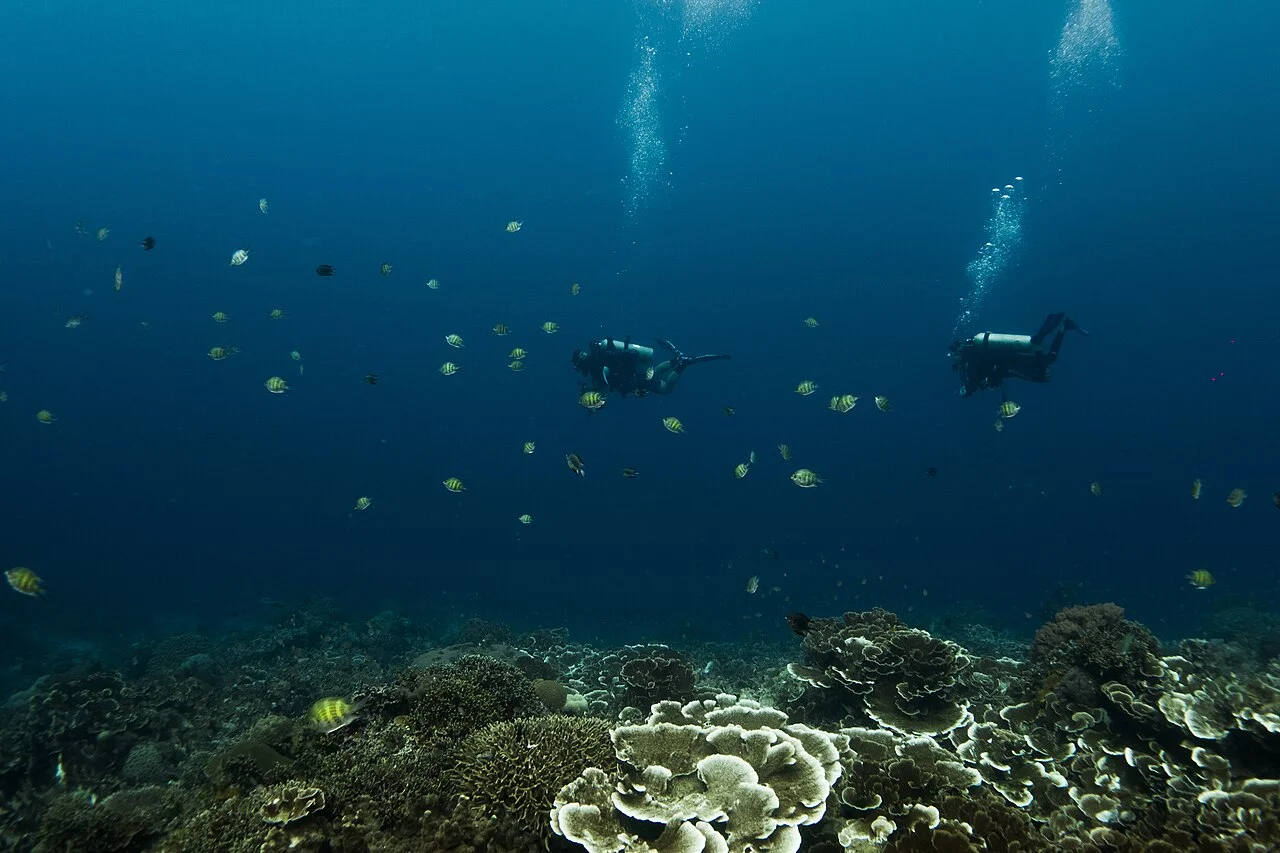
- The fish feeding ritual - every day at noon, park rangers sound a bell and thousands of fish rise from the underwater caves to be fed by hand. The fish include large snappers, groupers, and various reef species that normally live in the open sea. Their regular appearance from the cave entrances, and their familiarity with humans, contributes to the "enchanted" atmosphere.
- The connection to the sea - the river is brackish and tidal. At high tide, salt water pushes up the channel. At low tide, freshwater dominates. This bidirectional flow makes the river home to both freshwater and marine species simultaneously.
The Legend
Local tradition holds that the river is guarded by supernatural beings - engkanto (enchanted spirits) - and that those who disrespect the site face misfortune. The indigenous Mamanwa people, who have lived in the area for generations, regard the river as sacred and have specific protocols around its use and access. The "Enchanted River" name comes from this tradition, not from the Philippine Tourism Authority - it was already known by this name when tourism development began.