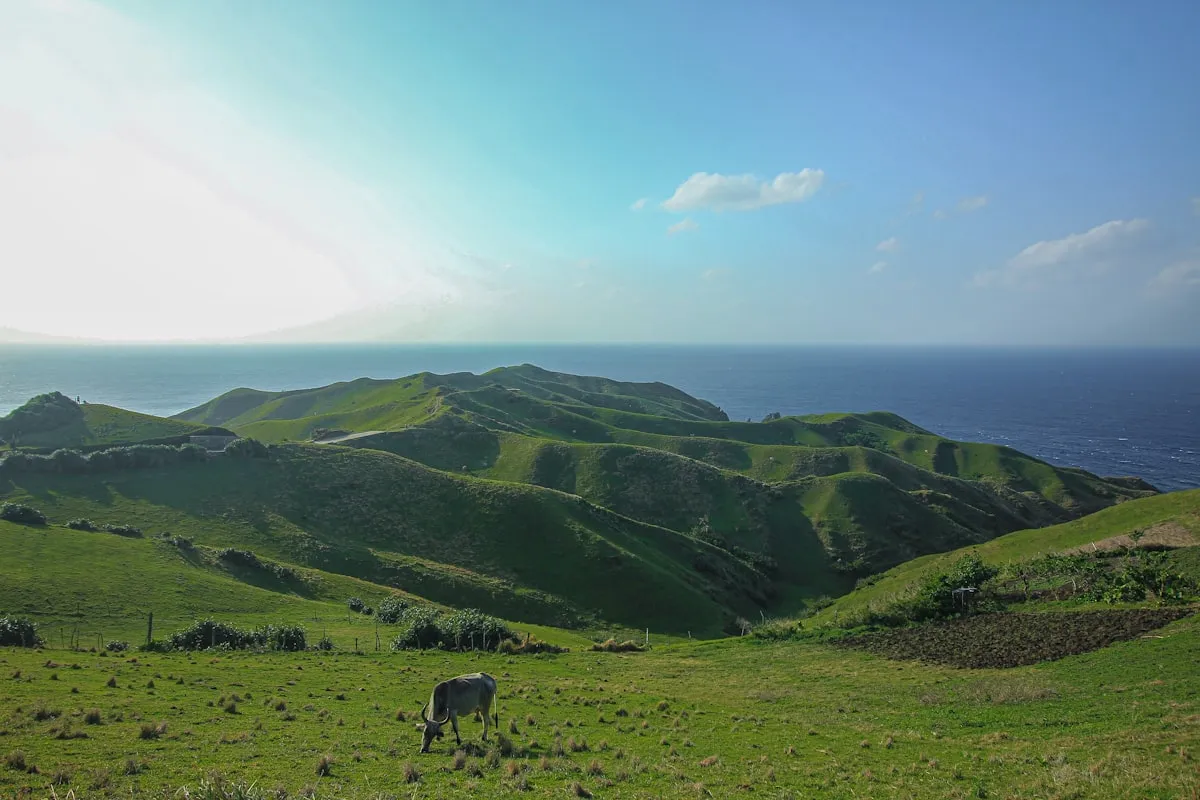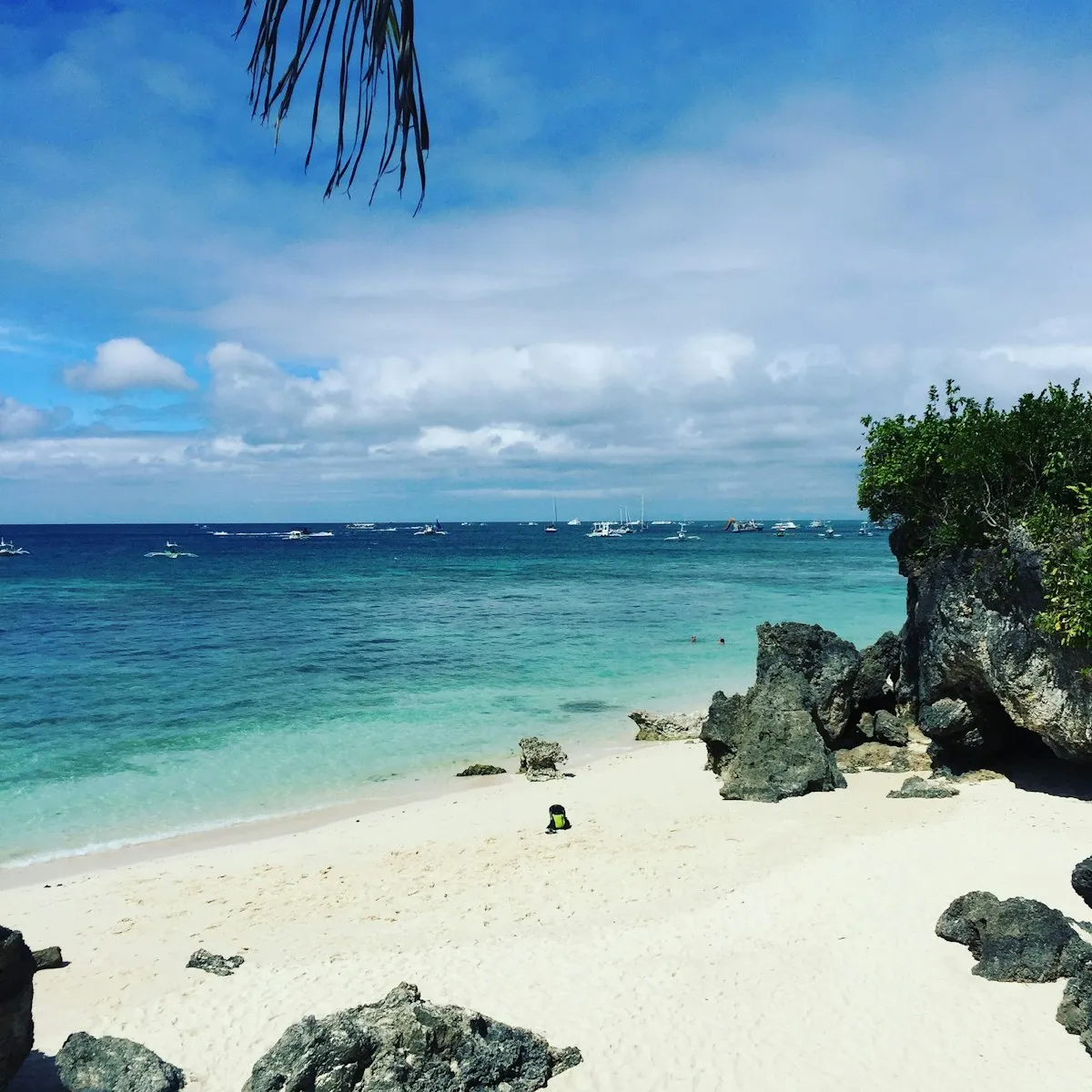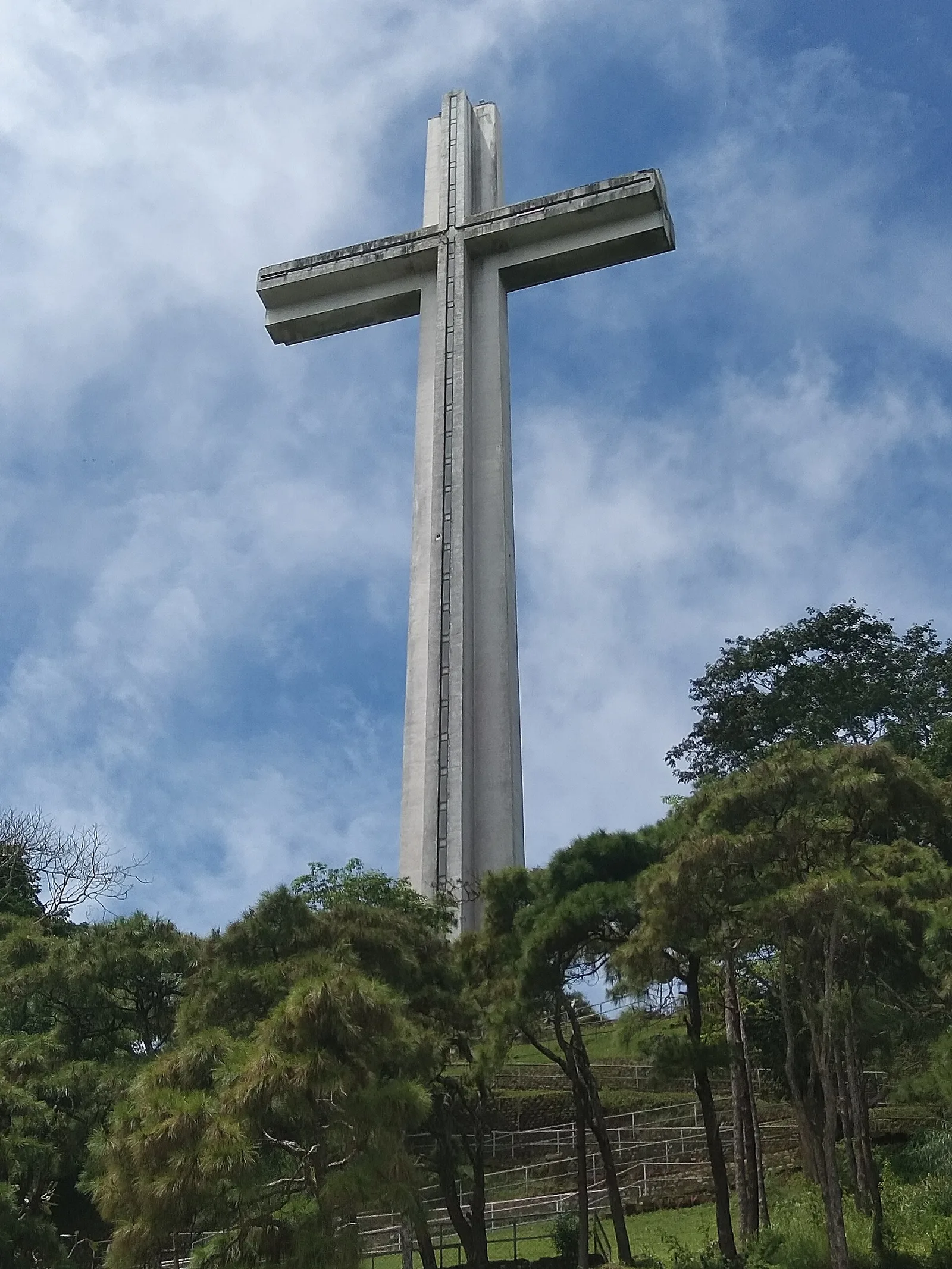
The Bataan Peninsula juts south into Manila Bay from Central Luzon, and it carries more historical weight per square kilometre than almost anywhere else in the Philippines. The name itself carries a resonance that reaches beyond the country: Bataan was the site of the largest surrender of American-led forces in history, in April 1942, followed by the Death March that killed thousands of Filipino and American prisoners of war on a forced 100-kilometre walk under brutal conditions. The Mt. Samat National Shrine on the summit of the peninsula's highest peak memorialises this history with a 92-metre cross that can be seen for miles. But Bataan is not only a place of memory: it also holds Las Casas Filipinas de Acuzar, one of the most extraordinary heritage sites in the Philippines, sea turtle nesting beaches at Morong, and calm, uncrowded coastline that most Manila travellers have never discovered.
Best time to visit
November through May is the dry season and the best time to visit. December through February is the coolest and most comfortable for the Mt. Samat trek and outdoor sites. October through February is when olive ridley sea turtles nest at Pawikan Conservation Center, making it the only window for that specific experience. June through September brings monsoon rains; the roads remain passable but trails can be muddy and the heat is oppressive. Bataan is rarely affected by strong typhoons directly due to its position behind the Zambales mountains, but heavy rain can close some minor roads. There are no crowds here even in peak season; you will rarely queue for anything.
How to get there
From Manila, the most direct route is a bus from Pasay (EDSA-Taft area) or Cubao operated by Genesis Transport or Victory Liner bound for Balanga City, the provincial capital (PHP 180-260, approximately 3 hours). From Balanga, jeepneys and vans connect to Mariveles (the southern tip and Death March starting point), Morong (for the beach and Pawikan Center), and Bagac (for Las Casas Filipinas and the western coast beaches). A tricycle or multicab within Balanga or between barangays costs PHP 30-80. Driving from Manila via NLEX and SCTEX takes about 2.5 hours to Balanga; the peninsula road south to Mariveles is another 45 minutes. MNL (Ninoy Aquino International) is the originating airport, about 120 kilometres southeast of Balanga. There is no train connection; the bus is the standard route for independent travellers.