PHPANA.PH · Philippines travel teamPublished June 19, 2026 · 7 min read
Balabac
Intro
If you have already seen El Nido and Coron and find yourself wondering whether the Philippines hides anything wilder, the answer is yes, and its name is Balabac. Tucked at the very southern tip of Palawan, where the Sulu Sea meets the South China Sea, Balabac is a scatter of around 30 islands famous for blindingly white sandbars that glow with a soft pink hue at the right light, the result of crushed red organ-pipe coral mixing into the sand.
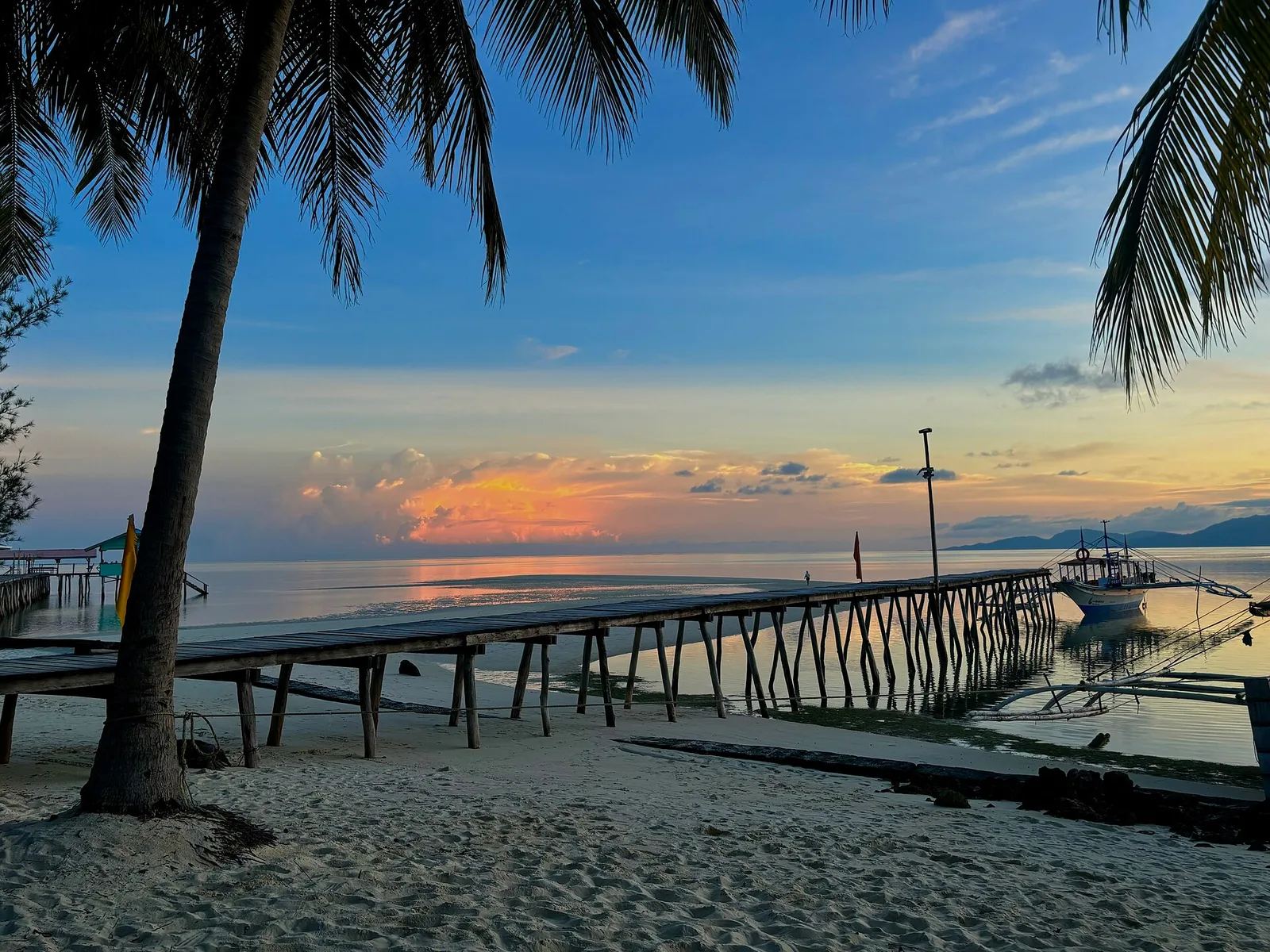
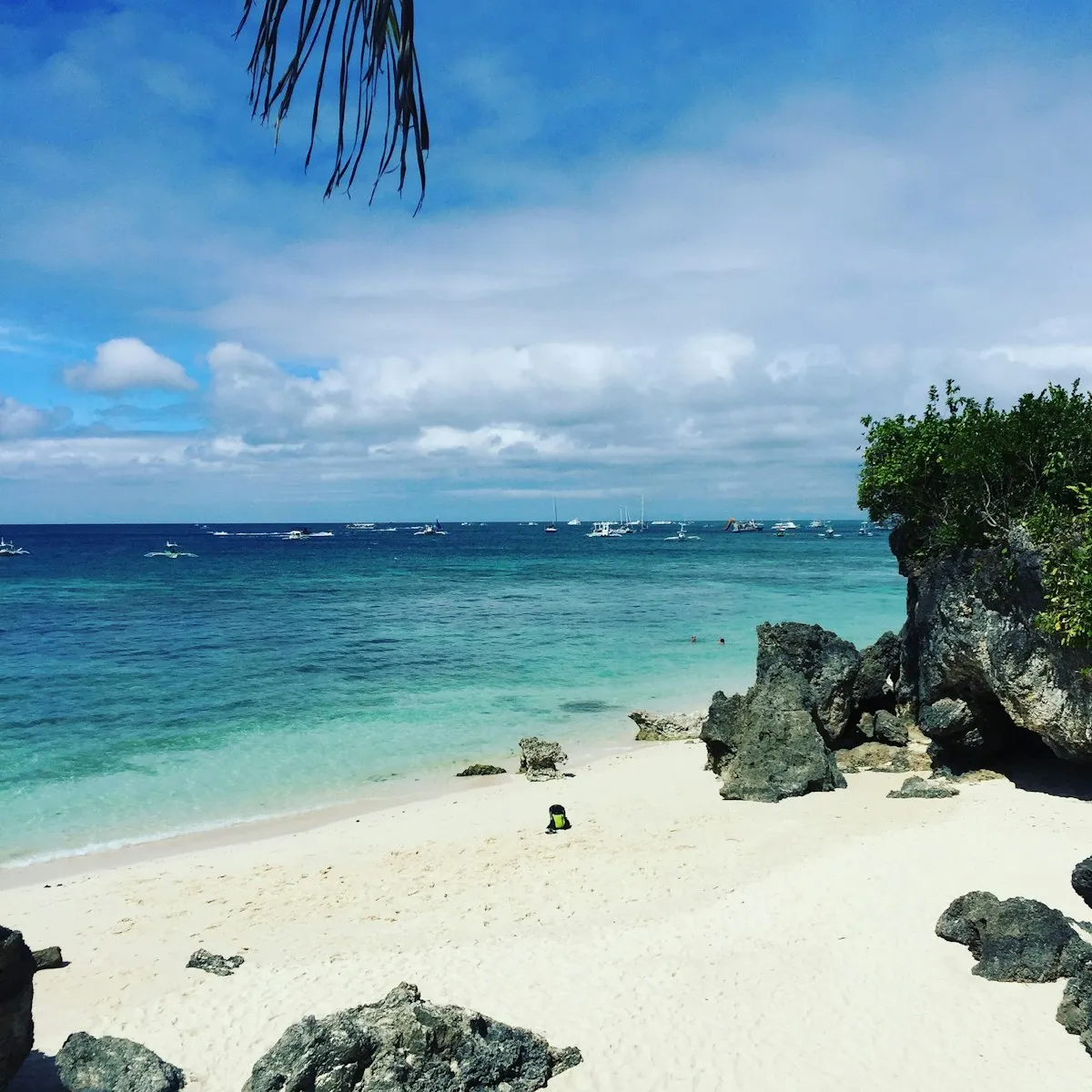
This is not a polished resort destination, and that is exactly the point. There are no big hotels, no nightlife strips, and patchy mobile signal at best. What you get instead is the rare feeling of standing on a sliver of sand in the middle of a turquoise sea with not another tourist in sight. Islands like Onuk, Candaraman, Punta Sebaring and Mansalangan deliver postcard scenery that has not yet been trampled by mass tourism.
Reaching Balabac takes real commitment: a long road transfer south from Puerto Princesa followed by a boat crossing. But for adventurous travelers chasing the most pristine, remote islands left in Southeast Asia, the effort is the whole story. This guide is honest about the logistics, the costs, and the precautions, so you arrive prepared.
Book ferries & transfers in the Philippines
Manila to Palawan, Batangas to El Nido, Cebu to Bohol — book inter-island ferries and airport transfers easily.
First-timer essentials
- Visa. Most nationalities enter the Philippines visa-free for 30 days (extendable in-country). Check the latest Bureau of Immigration rules before you fly, since Balabac is far from any office where you could fix a problem.
- Currency. The Philippine peso (PHP). Carry plenty of cash. Remote-area costs shift with fuel prices.
- Health. Balabac has historically been one of the few Philippine areas flagged for malaria risk. Cases are rare today but the precaution is real: pack DEET-based repellent, cover up at dusk, sleep under a treated net or in a screened space, and consider speaking to a travel-health clinic about antimalarial prophylaxis before you go. Bring a personal medical kit (rehydration salts, motion-sickness tablets, antiseptic, any prescriptions), because there is no pharmacy worth relying on. Travel insurance with evacuation cover is strongly advised.
- Money and ATMs. Treat Balabac as a cashless-infrastructure void. There are no reliable ATMs and card payment is essentially nonexistent. Withdraw all the cash you will need in Puerto Princesa before heading south, including a buffer.
- Safety. The islands themselves are calm and friendly, but two honest cautions apply. First, the remoteness: weather can strand boats, help is hours away, and you are responsible for your own preparation. Second, the broader southern frontier region carries general travel advisories from some governments, so check your home country's current guidance and travel with a reputable, experienced local operator rather than going solo. The sea crossings can be rough.
Top things to do
- Stand on a pink sandbar. The signature Balabac experience. At low tide, ribbons of white-pink sand emerge from the sea around islands like Mansalangan and Bulalacao. Time your visit to the tide and you can walk a strip of sand surrounded by water on all sides.
- Visit Onuk Island. Often called the crown jewel of Balabac, Onuk is a privately cared-for islet with a long tapering sandbar and water so clear it looks computer-generated. Visits are limited and arranged through operators.
- Snorkel Candaraman and Punta Sebaring. Candaraman's reefs and the long sandbar at Punta Sebaring (on Bugsuk Island) are highlights for shallow-water snorkeling, drifting over coral gardens and spotting reef fish, the occasional turtle, and starfish.
- Beach-camp under the stars. With almost no light pollution, the night sky over Balabac is extraordinary. Multi-day expeditions typically include a night camping or staying in basic island accommodation.
- Island-hop the lesser-known islets. Beyond the headline names, expeditions weave through islands such as Patongong, Sicsican and Maraydao, each with its own sandbar, lagoon or quiet beach.
- Meet the local communities. Balabac is home to Molbog and other communities whose livelihoods center on fishing and seaweed farming. Buying from local cooperatives keeps tourism benefits local.
Best time to visit
The reliable window is the dry season, roughly late November to May, with March to May offering the calmest seas and the best sandbar conditions, exactly when low tides reveal the most sand. Avoid the southwest monsoon and typhoon-prone months (June to October), when rough water can cancel boat departures for days. Even in dry season, build a buffer day into your itinerary: Balabac runs on the weather, not the clock.
Getting there
There is no airport in Balabac, so every trip begins in Puerto Princesa, the Palawan capital, which has direct flights from Manila, Cebu, and some international gateways.
- Road transfer (Puerto Princesa to Rio Tuba / Buliluyan): A long overland journey south of roughly 6 to 8 hours by van to the southern Bataraza area. Most expeditions leave very early morning. Private van transfers run around PHP 800 to 1,500 per person as part of a package.
- Boat crossing (port to Balabac): From Buliluyan / Rio Tuba, a public ferry or chartered boat crosses to Balabac town. Crossing time is roughly 2 to 4 hours depending on the vessel and sea state.
Because of the distance and dependence on weather and tides, the overwhelmingly easier and safer route is a packaged multi-day expedition that bundles the van, boat, permits, guides, meals and accommodation.
From Singapore
There are no direct flights to Puerto Princesa from Singapore, so you will connect via Manila or Cebu.
- Singapore (SIN) to Manila (MNL) or Cebu (CEB): direct flights several times daily, around 3.5 to 4 hours.
- Manila or Cebu to Puerto Princesa (PPS): a short domestic hop of about 1 to 1.5 hours.
- Puerto Princesa to Balabac: the 6 to 8 hour road transfer plus boat crossing.
Plan to overnight in Puerto Princesa before your expedition, since most transfers depart in the very early morning. All-in, give Balabac a minimum of 5 to 6 days from Singapore.
Tours on PANA.PH
Balabac is built for multi-day expeditions rather than day trips, and PANA.PH is adding curated 3 to 4 day Balabac island-hopping expeditions that handle the hard logistics for you. A typical itinerary:
- Day 1: Pre-dawn pickup in Puerto Princesa, the long van transfer south, then the boat crossing to Balabac. Settle into basic island or town accommodation, with the afternoon for a first sandbar.
- Day 2: Full-day island-hopping across the headline stops, snorkeling, sandbar walks at low tide, and a beach lunch of fresh seafood. Possible visit to Onuk Island (subject to access).
- Day 3: More remote islets and reefs, with time to camp or relax on a quiet beach; optional sunset and stargazing.
- Day 4 (on 4-day trips): A final morning of island-hopping before the boat crossing back and the long return transfer.
Packages typically include van transfers, boat and fuel, environmental and island fees, a local guide, meals, and basic accommodation. Realistic per-person pricing for a small-group multi-day expedition typically lands in the PHP 8,000 to 20,000+ range depending on group size, duration, and whether premium stops like Onuk are included.
FAQ
Is Balabac safe to visit? The islands and local communities are friendly and the day-to-day experience is peaceful. The real risks are practical: rough sea crossings, remoteness from medical care, and weather delays. Some governments also issue broader travel advisories for the wider southern frontier region, so check your country's guidance and book with an experienced, reputable operator.
Do I need to worry about malaria? Balabac has historically been one of the few Philippine areas flagged for malaria risk. Cases are uncommon today, but treat the precaution seriously: use DEET, cover up at dusk, sleep under a treated net, and consult a travel-health clinic about prophylaxis before you travel.
Are the sandbars really pink? Yes, though manage expectations. The sand has a genuine pinkish tinge from crushed red organ-pipe coral mixed into the white sand, most visible in soft morning or late-afternoon light. It is subtle and beautiful rather than bubblegum bright.
How many days do I need? At minimum, plan a 3-day expedition, ideally 4 days. From Singapore, budget 5 to 6 days total including an overnight in Puerto Princesa and a weather buffer day.
Can I do Balabac as a day trip from Puerto Princesa? No. The one-way transfer alone is 6 to 8 hours by road plus a 2 to 4 hour boat crossing. Balabac only makes sense as a multi-day expedition.