PHPANA.PH Team · Philippines travel teamPublished June 5, 2026 · 3 min read
The Apo Island Story
In the early 1980s, Apo Island was like most small Philippine fishing islands: reef dynamite was used, fish stocks were declining, and the community's future was uncertain. Then Dr. Angel Alcala of Silliman University approached the community with a proposal: establish a marine sanctuary covering a portion of the reef, ban fishing within it, and see what happened over time.
What happened over time is one of the most documented and celebrated stories in marine conservation. Within five years, fish density inside the sanctuary was dramatically higher than outside it. Within a decade, fish were spilling over from the protected zone into the fishing areas, increasing catches outside the sanctuary as well — the "spillover effect" that conservation biologists had theorized but rarely documented so clearly. Sea turtle numbers increased. Coral grew back. And the dive tourism that the healthy reef attracted transformed the island's economy from subsistence fishing to a diversified, sustainable model that directly rewards reef protection.
The Reef Today
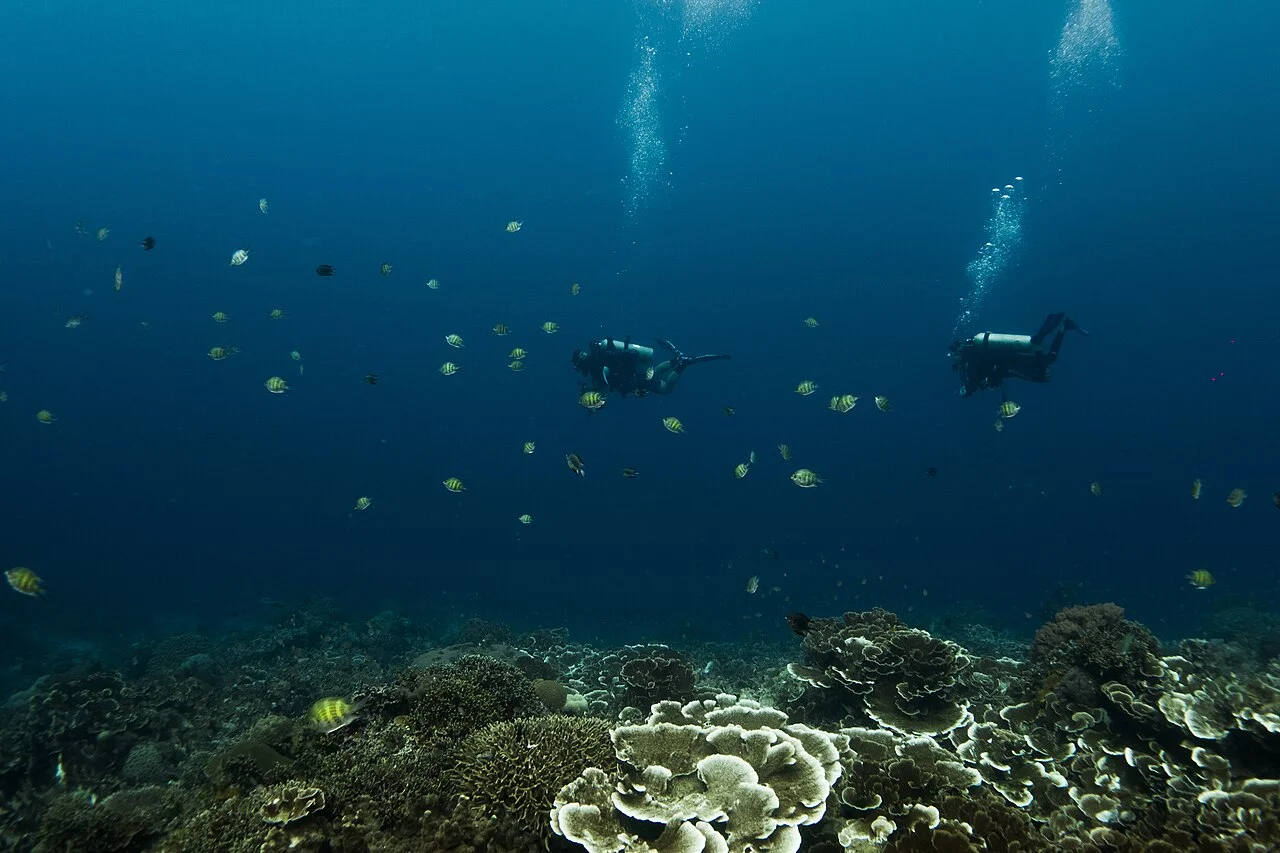
Decades of protection have created a reef system that represents what healthy Philippine waters look like. Hard coral coverage on the western and southern walls exceeds 70% — extraordinary given average Philippine reef coverage has declined to under 30% island-wide. Fish density in the sanctuary is multiple times higher than unprotected reference sites measured in scientific studies.
Book Philippines tours & activities
Island hopping, whale shark watching, canyoneering and more. Best prices on GetYourGuide & Klook.
The wall dives at Apo are genuinely spectacular. The south wall drops from 3 meters to over 40 meters with soft corals, sea fans, and fish life at every depth. The number of sea turtles — both green and hawksbill — is remarkable: multiple individuals per dive is normal, not exceptional. They've grown so accustomed to respectful divers that they don't flee, allowing extended observation of natural behavior.
The Sea Turtle Experience
Green sea turtles (Chelonia mydas) and hawksbill turtles (Eretmochelys imbricata) are resident around Apo's reef year-round. You'll likely see turtles resting on coral outcrops, feeding on seagrass in the shallows, or ascending to breathe at the surface. Encounters are close — typically 2-5 meters — and the turtles' comfort with human presence, developed over decades of non-threatening interaction, allows observation that would be impossible with more skittish wild animals.
Rules enforced by the sanctuary guards: no touching, no chasing, minimum approach distance maintained, no flash photography. These are the rules that keep the turtles comfortable and the experience sustainable over time.
Diving Logistics
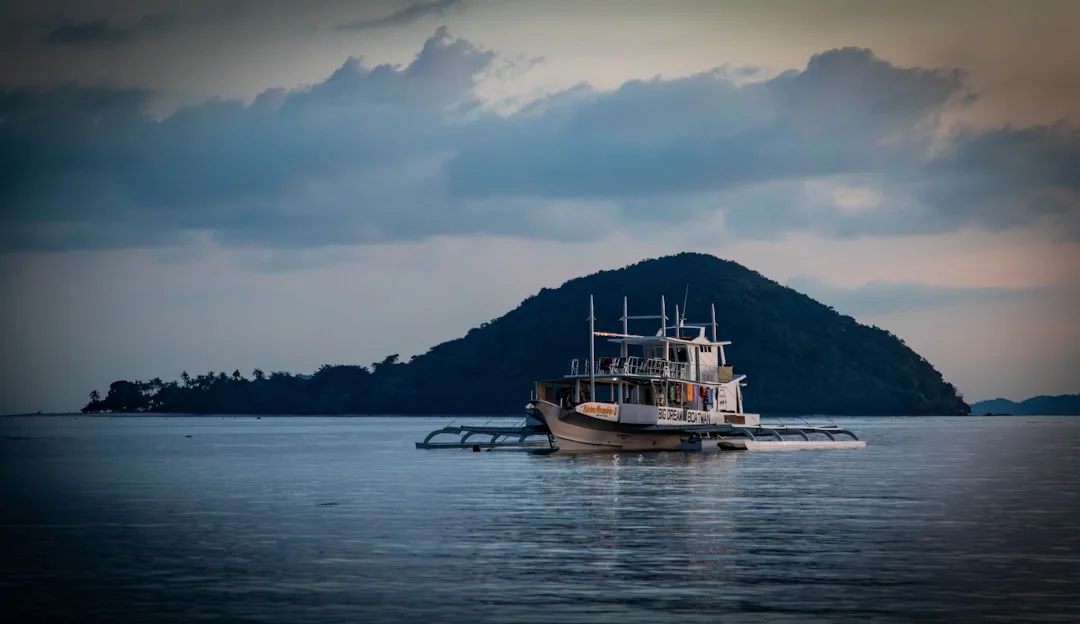
Apo Island is accessible from Dumaguete via Malatapay port (about 30km south of the city). Dive shops in Dumaguete organize day trips that include transport to Malatapay, the bangka crossing (30 minutes), sanctuary fees, guided dives, and lunch. Staying overnight on Apo Island — basic accommodation only — allows early morning dives before day trip boats arrive, when the reef is quietest and encounters most rewarding.
Book an Apo Island diving or snorkeling tour through a licensed operator to ensure your sanctuary fee goes to the community fund.
The Conservation Lesson
Apo Island's success story has been cited in marine conservation policy discussions globally. The model — community ownership of the resource, community enforcement, community benefit from sustainable use — has been replicated in dozens of sites across the Philippines and beyond with varying success. Apo's longevity (over 40 years of continuous protection) makes it uniquely valuable as a demonstration of what's possible when communities make the generational commitment required for reef recovery.
Visiting Apo isn't just tourism. Your sanctuary fee funds the ongoing protection. Your presence creates the economic value that makes protection worth maintaining. In a small, direct way, diving at Apo Island makes you a participant in one of the world's most important conservation outcomes.
Final Word
Apo Island is the Philippines' best argument for marine conservation — not as policy or principle, but as lived, visible, diveable reality. The reef here shows what the ocean can do when given time and protection. The sea turtles show what wild animals do when humans treat them with consistent respect. The community's transformation shows what people can achieve when their livelihoods depend on a healthy rather than an extracted ecosystem. Go dive it. Go snorkel it. Go see what's possible.
Plan your Philippines trip with PANA.PH
Compare hotels and local stays across all 7,641 islands.