El Nido Mangrove Kayaking & Replanting
About this tour
El Nido's mangrove forests are among the most significant on the Palawan coast — nurseries for fish and invertebrates, buffers against typhoon damage, and carbon sinks that lock away CO2 more efficiently than almost any other ecosystem. Despite legal protection, sections have been damaged by development, and community-led replanting programmes are actively restoring the damaged areas.
This 3-hour experience begins with a single-kayak or double-kayak paddle through the main mangrove channel system near El Nido town. A naturalist guide paddles alongside, identifying mangrove species (red, white and black mangroves each occupy different salinity zones), explaining the root architecture that traps sediment and builds coastline, and pointing out the fish, mudskippers and monitor lizards that live within the canopy.
The second half of the session moves to a restoration site where participants plant mangrove propagules — the seed pods that root directly into the mud. Each participant plants 10-20 propagules, learning the correct depth and spacing from a community conservationist. The organisation tracks plant survival rates and sends participants a post-visit update on how their propagules are growing. The activity is gentle enough for children aged 8 and above and delivers a genuine conservation contribution rather than a symbolic photo opportunity.
Highlights
- ✓Paddle single or double kayak through ancient mangrove channels
- ✓Naturalist guide identifies mangrove species and ecosystem roles
- ✓Active conservation: plant 10-20 mangrove propagules
- ✓Post-visit update on your propagules' growth progress
- ✓Suitable for children aged 8 and above
What's included
- ✓3-hour kayak tour and replanting session
- ✓Single or double kayak
- ✓Naturalist guide and community conservationist
- ✓Mangrove propagules for planting
- ✓Post-visit propagule growth update
- ✓Instant booking confirmation via GetYourGuide
About the area
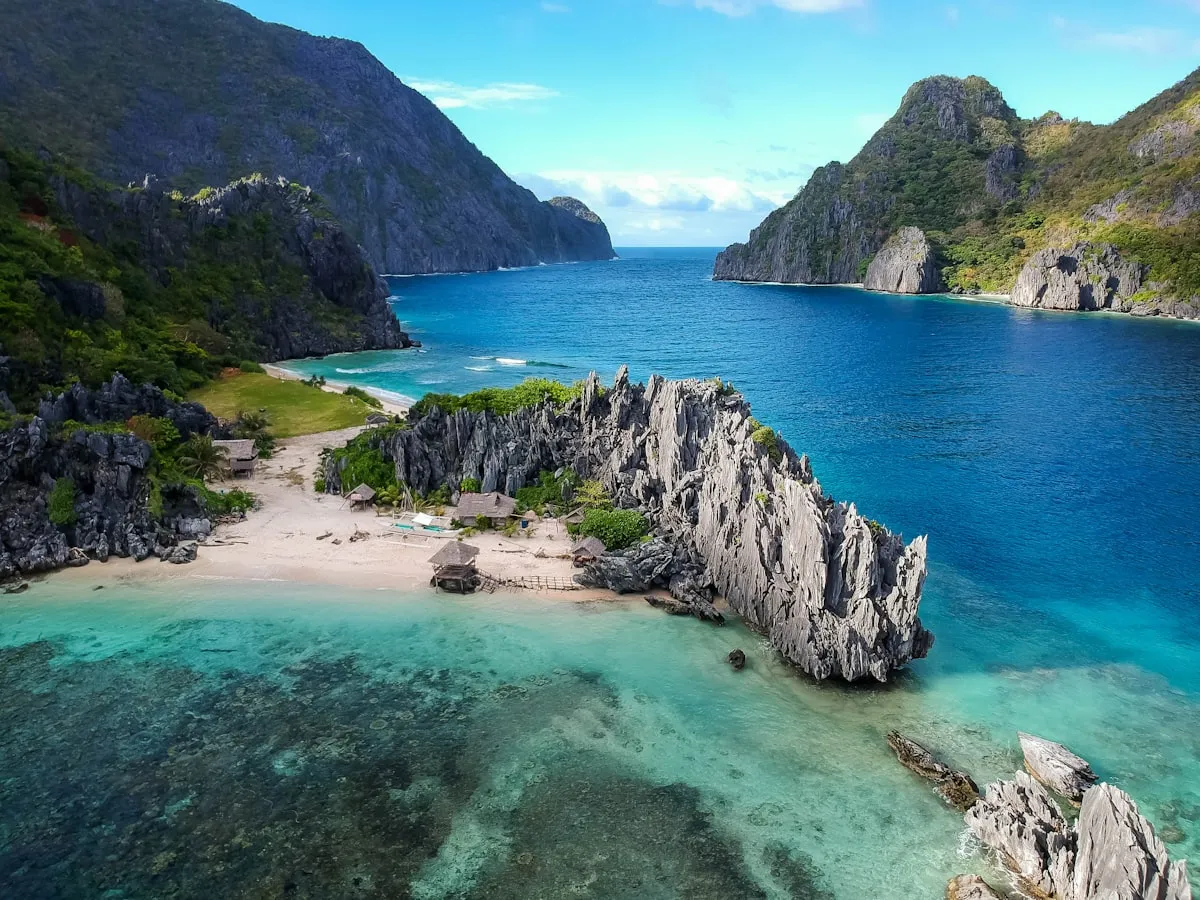
El Nido's mangrove systems form a critical buffer between the karst limestone islands and the open ocean, filtering sediment before it reaches the coral reef and providing nursery habitat for the fish that sustain both the reef ecosystem and local fishing communities. The UNESCO Biosphere Reserve status protects the area but cannot prevent all damage.
Frequently asked questions
Do I need kayaking experience?
Does my payment support the conservation programme?
What should I bring?
Guest reviews
No reviews yet
Be the first to share your experience!
Write a review
Share your experience to help other travellers
Ready to book?
Instant confirmation · Free cancellation · Secure payment
Affiliate links — we earn a small commission at no extra cost to you.