Learning to Surf in the Philippines: Best Spots for Beginners
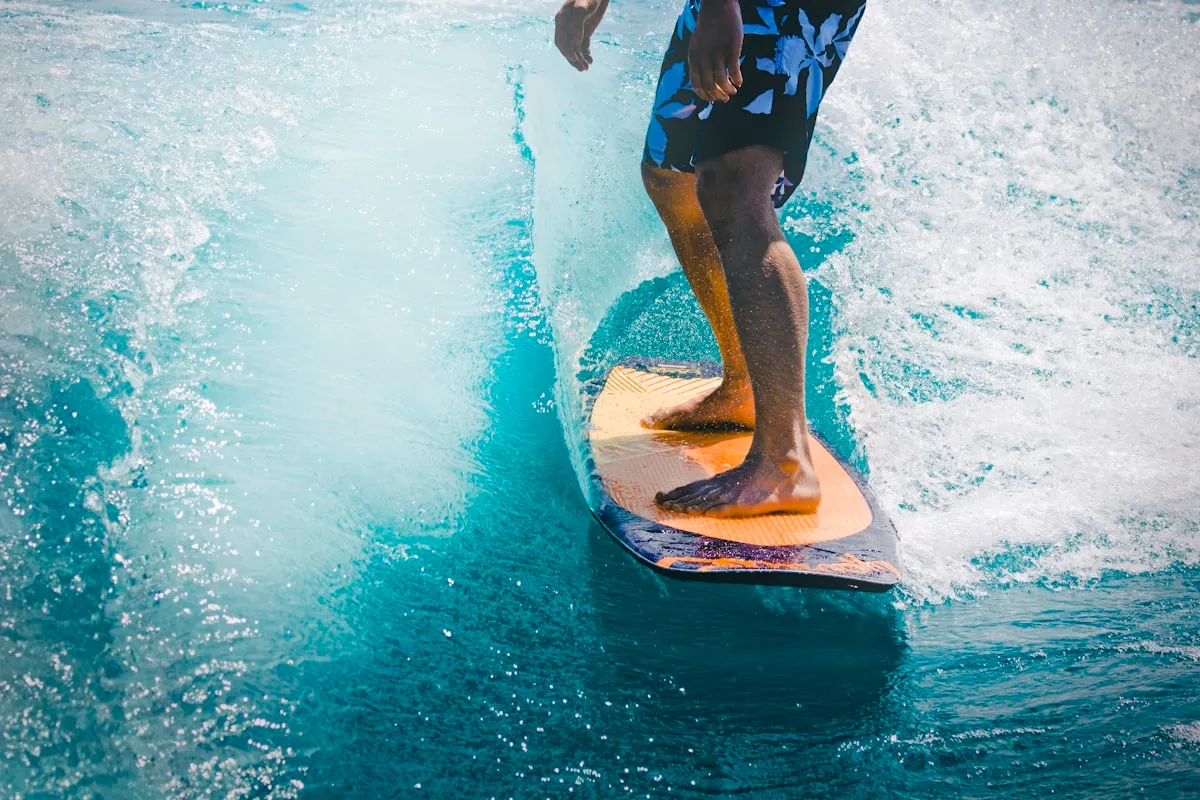
Standing up on a surfboard for the first time is one of those experiences that is simultaneously terrifying, ridiculous, and absolutely euphoric. You wobble. You fall. You wipe out spectacularly into warm shallow water and come up laughing because you cannot help it. And then you paddle back out and do it again. Learning to surf is one of the most addictive recreational activities on earth, and the Philippines is genuinely one of the best places in the world to start your journey.
The reasons are straightforward: warm water year-round (no wetsuit required), affordable lessons with patient and skilled instructors, a wide range of beginner-friendly breaks across multiple islands, and a surf culture that is welcoming rather than territorial. Here is where to go and what to expect when learning to surf in the Philippines.
What Makes the Philippines Great for Beginners?
Water temperature in the Philippines stays between 27 and 30 degrees Celsius year-round, which means you can spend hours in the water without discomfort or thermal exhaustion. This matters enormously for beginners who spend far more time in the water than on it during their early sessions. Lesson prices are also significantly lower than equivalent instruction in Australia, the US, or Europe, with typical beginner lessons running between 500 and 1200 pesos per session including board rental. Filipino surf instructors have a well-deserved reputation for patience and encouragement, and the beginner surfing culture at most Philippine surf schools is genuinely positive and non-intimidating.
Siargao: World-Class Context, Beginner-Friendly Options
Siargao is famous for Cloud 9, a wave that is emphatically not for beginners. But the island's reputation as a surf destination has created a thriving ecosystem of surf schools and instructors who teach beginners on several gentler breaks away from the main reef. Jacking Horse, Tourism Beach, and various soft-sand beach breaks around General Luna all offer ideal conditions for learning: mellow waves, gradual depth, and sandy bottoms that forgive wipeouts.
The great advantage of learning to surf on Siargao is the environment. Even on your beginner sessions on gentle waves, you are on one of the world's great surf islands, and watching Cloud 9 barrel in the evenings from the boardwalk while your body processes the first sessions of the day is genuinely motivating. Book a beginner surf lesson at Siargao with a certified local instructor who will assess your level, choose the right break for your ability, and give you the solid foundational skills to progress quickly.
Baler, Aurora: The Birthplace of Philippine Surfing
Baler on the Pacific coast of Luzon is often described as the birthplace of Philippine surfing, tracing its surf culture back to the Apocalypse Now film shoot in 1979 when the crew left boards for the locals. The long beach break at Sabang Beach in Baler is ideal for beginners: it is a consistent, medium-sized beach break that works at most tidal conditions, the crowds are generally manageable, and the surf school infrastructure is excellent. October through February brings the best swell driven by the northeast monsoon. The overall pace in Baler is more relaxed than Siargao, and for travelers based in Manila who want to learn without the longer journey, Baler (five to six hours by bus) is the most practical choice.
La Union: The Beginner Capital of Northern Luzon
San Juan, La Union, is the most accessible surf destination for Manila-based beginners and arguably the most structured learning environment in the country. The beach break at San Juan is consistent and forgiving, the surf schools are numerous and professionally run, and the town has developed an entire ecosystem of surf-related accommodation, cafes, and culture specifically oriented toward the beginning surfer demographic. October through March brings the most consistent conditions. The close proximity to Manila, just four to five hours north, makes La Union the default first surf trip for most Manilenos, and the large number of people learning at any given time creates a community atmosphere that most beginners find encouraging rather than intimidating.
Cagbalete Island, Quezon: Gentle Tropical Waves
For those heading south of Manila rather than north, Cagbalete Island in Quezon Province offers a beautiful and largely uncrowded beginner surfing environment. The island's shallow, mellow waves are ideal for absolute first-timers, and the combination of a genuine island experience with affordable learning conditions makes it a compelling choice for anyone who wants to learn without the infrastructure of a major surf destination. The journey requires a bus to Mauban and then a boat to the island, which adds logistics but rewards with genuine remoteness and a beautiful island setting that makes every session feel like an adventure in itself.
What to Expect in Your First Surf Lessons
A good beginner surf lesson starts on dry land. Your instructor will teach you the pop-up technique, which is how you get from lying on the board to standing, using a simulated board or just the beach sand. You will practice this until it becomes automatic before you ever paddle into the water. In the water, your first sessions will typically be in waist-deep water on small, broken waves called whitewash, the white foam of a wave that has already broken. These gentle, consistent pushes are ideal for practicing the pop-up and getting the feel of the board under your feet. Most people stand up during their first session. The feeling, however brief and wobbly, is extraordinary. By your second or third session you will be positioning yourself on the board, paddling properly, reading when to paddle for the wave, and standing up with increasing consistency. Progress in surfing is rapid in the early stages and deeply satisfying.
What to Look for in a Surf School
Look for instructors certified by recognized surfing organizations like the International Surfing Association (ISA). Ask about student-to-instructor ratios: a ratio of no more than four or five students per instructor is ideal for beginners. Check that the school provides properly sized beginner boards (large, foam longboards or softboards are appropriate for first-time surfers and provide the stability needed to learn). And read reviews specifically from other beginners rather than experienced surfers, who will evaluate a school on entirely different criteria. PANA.PH partners with reputable surf schools on Siargao that meet these standards and can guarantee your lesson is taught by a skilled, patient instructor in the right conditions. Start your surf journey in the Philippines with a proper beginner lesson and give yourself the best possible foundation. The waves are waiting.