Coron: Where History and Marine Life Intersect
On September 24, 1944, US Navy aircraft attacked a Japanese fleet sheltering in Coron Bay, Palawan. They sank at least 12 supply ships in a single day's bombing — vessels that had retreated to the bay after the fall of the Philippines to Allied forces. The ships settled in 20-40 meters of water and remained largely undiscovered for decades. Today, those wrecks — heavily encrusted with decades of coral growth and home to extraordinary marine life — form one of Southeast Asia's most celebrated dive destinations.
Coron wrecks are remarkable for several reasons: the sheer number and variety of ships in a concentrated area, the depth range (some accessible to beginners, others requiring technical dive certifications), the density of coral and marine life covering every surface, and the historical resonance of diving through vessels that are simultaneously war graves and artificial reefs.
The Main Wrecks
Okikawa Maru
The largest and most accessible of the Coron wrecks — an oil tanker 168 meters long lying at 17-33 meters depth. The massive hull is deeply encrusted with hard and soft corals; the engine room and holds are open for penetration diving. Sea turtles rest on the deck regularly. Ideal for beginners wanting their first wreck experience and experienced divers who want the full penetration experience.
Akitsushima
A seaplane tender at 18-40 meters — one of the most visually dramatic wrecks in Coron. The seaplane crane on the stern is recognizable and photogenic. A circular defensive gun mount sits intact on the bow. The resident population of lionfish, scorpionfish, and the enormous schools of glassfish that fill the holds make this a photographer's dream.
Kogyo Maru
A cargo ship at 20-35 meters with holds that contain wartime equipment — trucks, motorbikes, and machinery still visible beneath the coral encrustation. One of the more interesting wrecks for historical exploration, and the mid-range depth makes it accessible to intermediate divers.
Irako
Considered by many the most beautiful of the Coron wrecks — a refrigeration ship at 40+ meters that requires advanced certification but rewards it with extraordinary soft coral growth and the visibility that comes with deeper, less-trafficked water. The stern gun is iconic in dive photography.
Skeleton Wreck
Not a Japanese WWII ship but a small wooden vessel whose hull has completely deteriorated, leaving only the cargo — hundreds of ceramic plates and bowls stacked in piles on the sand at around 12 meters. Unique and deeply eerie; the ceramics appear to be Ming Dynasty trade goods of far older origin than the WWII timeframe. Excellent for snorkelers and shallow divers.
Beyond the Wrecks: Coron's Other Attractions
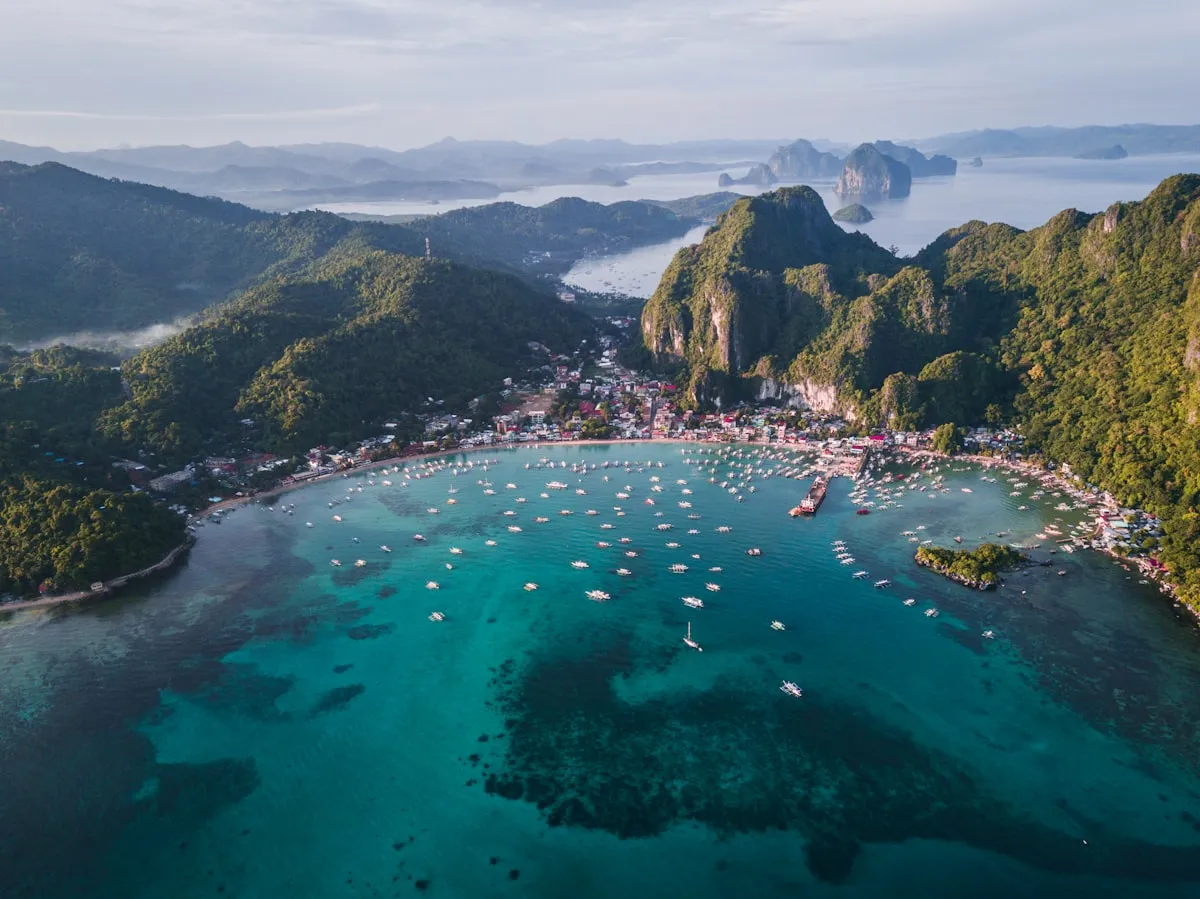
Coron is more than a wreck diving destination. The surrounding landscape is extraordinary — dramatic limestone karst formations rising from turquoise water, hidden lagoons (including the famous Kayangan Lake, one of the clearest lakes in Asia), and island hopping routes that rival El Nido for scenery.
The combination makes Coron one of the most complete destinations in the Philippines: divers can spend their days on the wrecks while non-diving companions explore the lagoons and beaches on island hopping tours. Book a Coron WW2 wreck diving experience for the full guided package.
Getting to Coron
Coron (Busuanga Airport, USU) has direct flights from Manila (1.5 hours) on Cebu Pacific and Philippine Airlines. The town of Coron is about 30 minutes from the airport. Most dive operations are based in the town or on the waterfront, with boats departing daily for the various wreck sites.
Dive Logistics
Coron's dive shops run multi-wreck day trips (typically 3 dives visiting 2-3 wrecks) that include equipment, guide, and lunch on the boat. Open Water certification is sufficient for the shallower wrecks (Okikawa, Skeleton, East Tangat). Advanced certification is required for deeper sites (Irako). Nitrox is available at most shops, which extends bottom time significantly at the target depths.
Final Word
Coron's WWII wreck diving is among the finest in the world — a combination of historical weight, marine density, and the particular beauty of decades of coral growth reclaiming human-made structures that is hard to find anywhere else. Whether you're a certified wreck diver seeking advanced penetration dives or an Open Water graduate wanting a first wreck experience in extraordinary conditions, Coron delivers. Add the island scenery above water and you have one of the Philippines' most compelling destinations for any level of diver.