Cagayan Valley Travel Guide: Palaui Island and Callao Caves
Cagayan Valley (Region II) occupies the northeastern corner of Luzon - a broad fertile valley watered by the Cagayan River (the longest and widest river in the Philippines) between the Sierra Madre mountains to the east and the Cordillera to the west. It is one of the Philippines' least-visited regions, which means it has also retained some of the country's most pristine natural environments. Palaui Island, accessible only by boat from the northern tip of Cagayan, is one of the Philippines' most untouched beaches. Callao Caves in Penaranda is a cathedral-sized limestone cave with a natural skylight chapel that has been used for Sunday mass since the Spanish era.
Cagayan de Oro - Not This CDO
A quick clarification: Cagayan de Oro City (CDO) in Mindanao is a completely separate city from Cagayan Province in Luzon. They share nothing except the first word of their names. This guide covers Cagayan Province and Cagayan Valley in Luzon, not the Mindanao city.
Palaui Island and Cape Engano
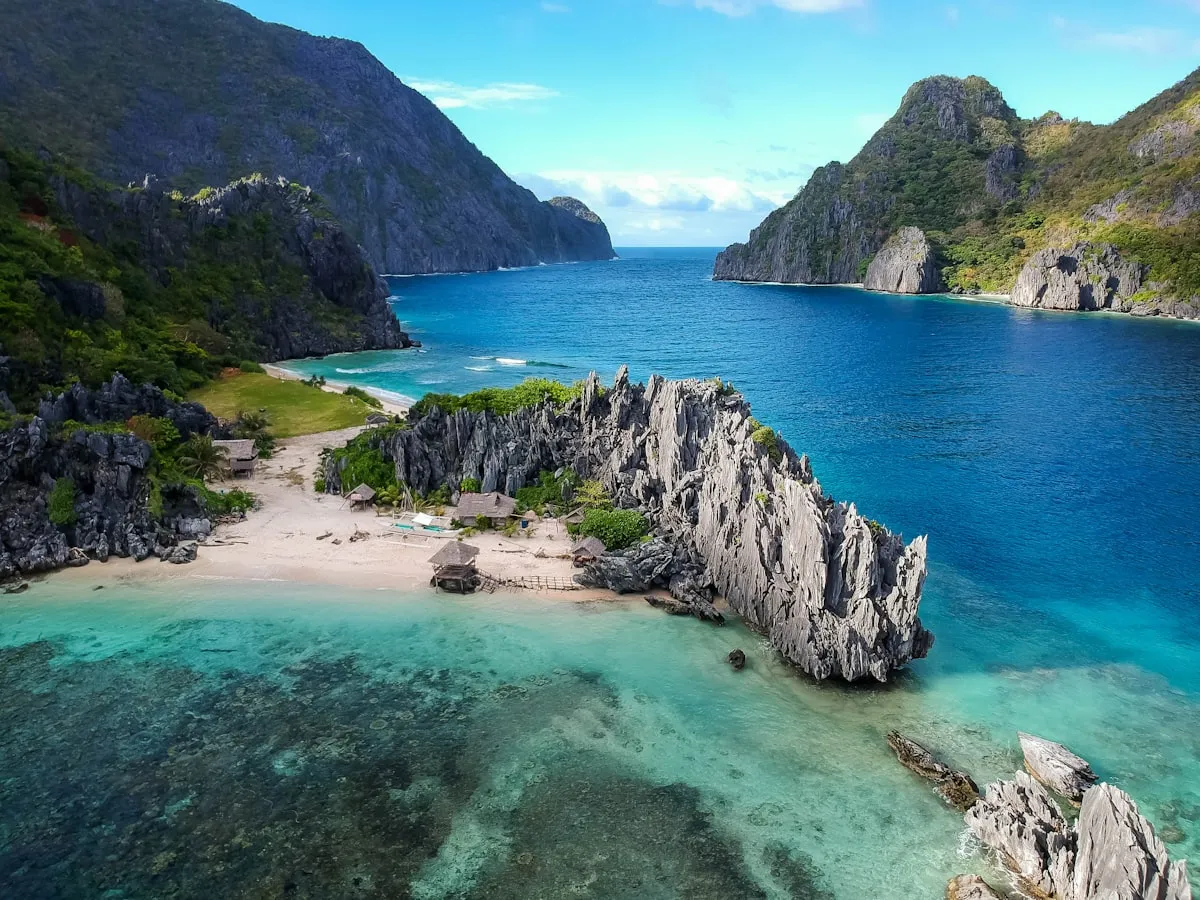
Palaui Island is at the northeastern tip of Luzon, accessible by 45-minute bangka from Sta. Ana port in Cagayan. The island is almost entirely undeveloped - a protected area with a Spanish lighthouse at Cape Engano (built 1892) that marked the approach to the San Bernardino Strait for galleon-era traders. The beaches on the island's north coast (Anguib Beach, Siwangag Cove) are some of the Philippines' most remote and pristine - white sand, no resorts, no permanent structures. Day trips are 2,500-3,500 PHP per boat from Sta. Ana. Overnight camping requires a DENR permit.
Palaui is where the US version of Survivor (Season 27: Blood vs Water) was filmed in 2013, though the production left no permanent footprint. The island was chosen precisely for its untouched quality - and it remains that way.
Callao Caves
The Callao Caves near Penablanca in Cagayan are a 7-chamber limestone cave system with a natural chapel in the seventh chamber - sunlight enters through a hole in the ceiling directly above the altar, creating an extraordinary natural sacristy. Mass is still held here regularly. The caves are also archaeologically significant - the Callao Man bones discovered here in 2007-2011 represent the oldest known human remains in the Philippines (at least 67,000 years old), predating the previously oldest known Homo sapiens in the island chain. Entry 30 PHP; guide included.
Cagayan River Whitewater
The Cagayan River near Ilagan, Isabela has class 2-3 whitewater rapids accessible for rafting. The river also passes through the Sierra Madre foothills with excellent bird-watching - the northern Luzon endemic birds (Cagayan flowerpecker, Isabela oriole) are found only in this region.
Batanes Connection
The northernmost point of the Philippines is in Cagayan Province - the Batanes Islands archipelago lies 140 kilometers north of the Cagayan coast. Flights from Laoag (Ilocos Norte) or occasional flights from Tuguegarao (Cagayan's capital) connect to Basco, the Batanes capital. Batanes is a completely different experience from the rest of the Philippines - cool climate, stone houses, rolling green hills, and a culture closer to Taiwan's Yami people than to lowland Filipino culture. See our Luzon road trip guide for the Batanes leg.
Getting to Cagayan Valley
Fly Manila to Tuguegarao (1 hour, Philippine Airlines and Cebu Pacific) or take the overnight bus (10-12 hours). From Tuguegarao, bus or van connections reach Sta. Ana for Palaui (3 hours), Penablanca for Callao Caves (30 minutes), and Ilagan for Isabela whitewater. See Cagayan Valley and Palaui Island tours on PANA.PH.