Vigan: A UNESCO World Heritage City Frozen in Colonial Time
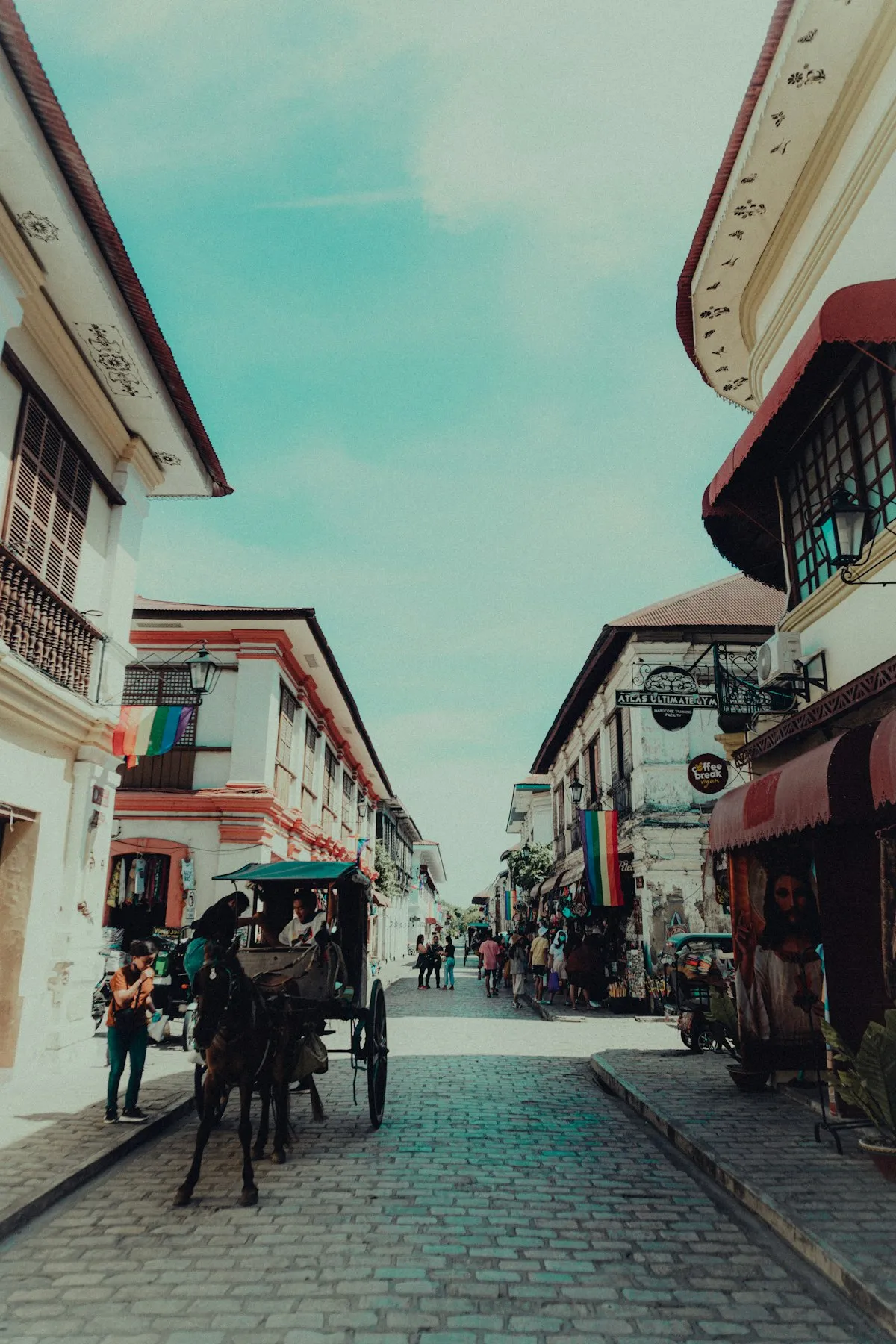
There is a moment, somewhere along Crisologo Street at dusk, when the 21st century simply disappears. The cobblestones glow amber under colonial-era lamp posts, a kalesa clip-clops past ancestral stone houses, and the faint scent of longganisa drifts from a nearby kitchen. Vigan — the capital of Ilocos Sur — does not just preserve history. It breathes it.
Designated a UNESCO World Heritage Site in 1999, Vigan is one of the few remaining colonial towns in Asia where the original urban fabric has survived nearly intact. Unlike many heritage cities that became museums frozen behind velvet ropes, Vigan is still a living, working city where families continue to inhabit 18th-century mansions and artisans craft burnay pottery in workshops their great-grandparents built.
Why Vigan Is Unlike Anywhere Else in the Philippines
The Philippines endured more than three centuries of Spanish colonial rule, yet precious little of that architectural heritage survives. Manila's Intramuros was largely destroyed in World War II. Cebu's historic core was swallowed by rapid urbanisation. Vigan, by contrast, was spared both wartime bombing and the bulldozer of modernity — partly due to geography (it sits far north, away from major WWII battlegrounds) and partly due to the fierce local pride of the Ilocano people.
The result is a 25-hectare historic district where more than 200 ancestral houses still stand. These are not reconstructions or replicas. They are genuine 17th and 18th-century structures built in a hybrid style that fused Spanish colonial architecture with Chinese building techniques brought by the traders who settled here — a style scholars call "Ilocano Baroque" or "Philippine Baroque Residential."
Calle Crisologo: The Beating Heart of Heritage Vigan
No visit to Vigan is complete without spending at least an hour on Calle Crisologo — the cobblestone street that has appeared in more Philippine tourism photographs than almost any other spot in the country. Lined on both sides by continuous two-storey stone-and-brick houses with wide wooden capiz-shell windows and overhanging balconies, the street creates a corridor that feels genuinely cinematic.
Early morning is the best time to visit. Before the souvenir stalls open and before tour groups arrive, Calle Crisologo belongs to locals — old women sweeping their stoops, children in school uniforms hurrying past, delivery motorcycles threading carefully over the stones. The light is also extraordinary: slanted golden rays pick out the texture of centuries-old masonry in ways that afternoon flatness never can.
Kalesa rides along the street are a quintessential Vigan experience. These horse-drawn carriages, a Spanish colonial legacy still operated by local families, carry two to three passengers at a slow, dreamy pace. A short circuit of the heritage zone typically costs PHP 150–250 and takes about 20–30 minutes. Go for it — the rhythm of hooves on cobblestone is something you will not forget.
The Ancestral Houses: Syquia Mansion and Villa Angela
Several ancestral houses are open to visitors. The Syquia Mansion, once home to Philippine President Elpidio Quirino, now operates as a museum. Its ground floor retains original period furniture, religious art, and personal effects that paint an intimate portrait of elite Ilocano life in the 19th century. Admission is minimal — typically PHP 30–50.
Villa Angela Heritage House is another standout: a beautifully restored inn that accepts overnight guests, allowing you to sleep inside a genuine ancestral home. Staying here is one of the most atmospheric accommodation experiences in all of the Philippines.
Vigan's Hidden Gems Beyond Crisologo
Most visitors spend all their time on Calle Crisologo and miss the wider heritage district. Venture a few streets further and you will find:
- Burnay pottery workshops on Pagburnayan Road — Watch potters throw clay on foot-powered wheels using techniques unchanged since the pre-colonial era. The distinctive dark-grey burnay jars were originally used to store vinegar and bagoong; today they make extraordinary souvenirs.
- Vigan Cathedral (St. Paul Metropolitan Cathedral) — A massive 16th-century Baroque church with a separate earthquake bell tower that leans slightly, giving it a local nickname: the "Leaning Tower of Vigan."
- Plaza Salcedo — The central plaza fronting the cathedral, home to a famous dancing fountain show at night. Surrounding the plaza are more heritage buildings including the Archbishop's Palace.
- Museo San Pablo — A diocesan museum inside a former convent with an impressive collection of religious art and artefacts spanning four centuries.
Vigan Food: A Culinary Pilgrimage
Vigan has one of the most distinctive regional cuisines in the Philippines. The town's most famous product is Vigan longganisa — a short, plump garlic-cured pork sausage that is aggressively flavoured, slightly sour, and absolutely addictive when served with sinangag (garlic fried rice) and a fried egg. It tastes nothing like longganisa from anywhere else in the Philippines.
The other unmissable item is Vigan empanada — a deep-fried pastry with a bright orange shell (coloured with achote) stuffed with egg, longganisa, and green papaya. Get it hot from the griddle at the street stalls near the plaza; the crunch of the shell against the molten filling is the kind of flavour memory that makes people come back to Vigan just to eat.
Sinanglao (a beef tripe soup), dinengdeng (an Ilocano vegetable stew with fermented fish), and bagnet (Ilocano lechon kawali — crunchy twice-fried pork belly) round out a meal worth planning your entire itinerary around.
Getting to Vigan
Vigan is approximately 400 km north of Manila — about 7–9 hours by bus or 4–5 hours by car. Several bus companies (Partas, Dominion, Viron Transit) run direct overnight and daytime services from Cubao and Pasay terminals in Manila. Travelling overnight saves daylight hours and avoids the tedium of Luzon's highways. Fly to Laoag (the nearest airport, 90 minutes north) and take a bus or van south for a faster option.
Where to Stay in Vigan
Staying inside the heritage zone is strongly recommended. Villa Angela and Grandpa's Inn both offer rooms within restored ancestral houses. Budget travellers will find clean guesthouses along Liberation Boulevard just outside the heritage core. Book well in advance for weekends and holidays — Vigan is one of the Philippines' most popular domestic destinations.
How to Tour Vigan
The best way to explore the heritage district is on foot, with occasional kalesa rides for ambience and tired legs. A full day is sufficient to see the main sites; two days lets you breathe and discover. Consider booking a guided walking tour for historical context — local guides bring the colonial-era stories alive in ways that plaques never can.
For a deeper Ilocos experience, combine Vigan with the rest of the region. Check out our Vigan Heritage City Walk & Kalesa Ride tour, or add on the thrilling Vigan to Burgos Sand Dunes ATV adventure for a perfect contrast of old-world charm and outdoor excitement.
Practical Tips
- Visit Crisologo Street at 6–8 AM for the best light and fewest crowds.
- The heritage zone is walkable; wear comfortable shoes — cobblestones are uneven.
- A Philippine Peso is enough for street food, but ATMs are available near the plaza.
- The Vigan City Tourism Office near the plaza offers free maps and guides.
- Avoid visiting during peak holiday weekends if you prefer a quieter experience.
Vigan is not simply a tourist destination. It is a reminder that some things are worth preserving — that a street, a house, a way of life can carry centuries of meaning if given the chance. In a country where so much history has been lost, Vigan's survival feels almost miraculous. Walk its streets slowly. Let the city speak.