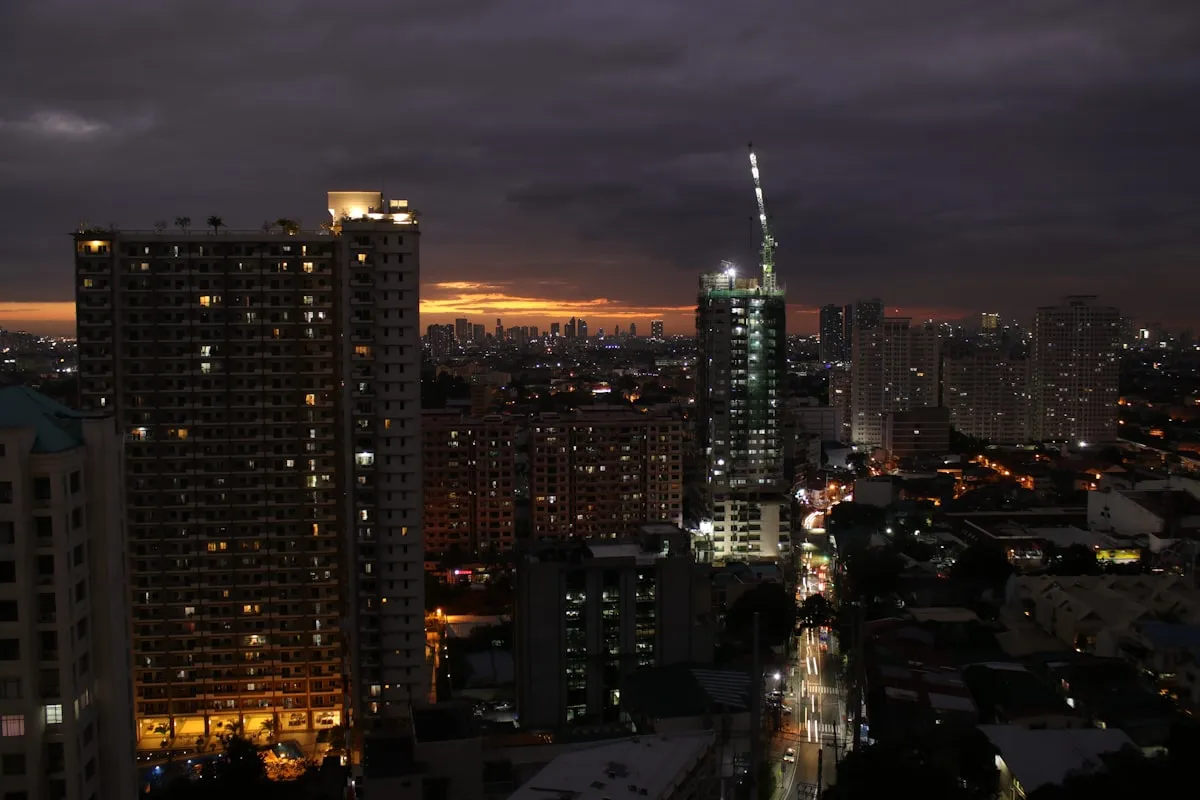
Manila traffic. The phrase alone is enough to make experienced Philippine travelers wince. Metro Manila consistently ranks among the worst traffic cities in the world -- a consequence of a growing urban population, an infrastructure deficit, and weather events that can turn a 20-minute journey into a 2-hour ordeal. But Manilenos navigate this every day, and with the right knowledge and tools, you can too. This guide covers every transport option in Metro Manila, the best strategies for beating the worst congestion, and the apps that make a real difference.
Understanding Metro Manila's Layout
Metro Manila (officially the National Capital Region or NCR) consists of 17 cities and municipalities on Manila Bay and the Laguna de Bay area. The major urban districts you are most likely to visit as a tourist are: Manila (the historic city, Intramuros, Malate, Binondo), Makati (financial and business hub), BGC or Bonifacio Global City in Taguig (modern commercial center), Quezon City (largest city by area, Cubao, Araneta, Eastwood), Pasay (NAIA airport area, Baclaran), and Mandaluyong (Ortigas Center, MegaMall).
EDSA (Epifanio delos Santos Avenue) is the main ring road that connects these districts -- a 23.8 km circular highway that is simultaneously the city's main artery and its most congested road. Understanding where you are in relation to EDSA is the mental map you need to navigate Metro Manila.
The MRT and LRT: Your Secret Weapons
Metro Manila has three urban rail lines that can dramatically cut journey times when they align with your route:
MRT-3 (Metro Rail Transit Line 3)
MRT-3 runs along EDSA from Taft Avenue (near NAIA and Baclaran LRT) in the south to North Avenue in Quezon City. It is the most useful line for tourists, connecting key stops: Guadalupe (between Makati and Ortigas), Shaw Boulevard, Boni, Ortigas, Araneta-Cubao, and North Avenue (for Trinoma Mall and SM North). Journey from Taft to North Avenue takes approximately 45 minutes -- a journey that by car can take 2 to 3 hours in heavy traffic. Fares are 13 to 28 pesos depending on distance. Rush hours (7 to 9am and 5 to 8pm) bring extremely crowded trains -- avoid if possible during these times or be prepared to queue.
LRT-1 (Light Rail Transit Line 1)
LRT-1 runs along Taft Avenue from Baclaran (near NAIA) through Pasay, through Manila city (key stops: Vito Cruz, Pedro Gil, Doroteo Jose near Quiapo), up to Roosevelt in Quezon City. It connects to MRT-3 at EDSA station. Fares are 12 to 30 pesos.
LRT-2 (Light Rail Transit Line 2)
LRT-2 runs east-west through Quezon City from Recto (connecting to LRT-1 at Doroteo Jose nearby) through Cubao, to Santolan at the eastern edge of Pasig. Less useful for most tourists but helpful for reaching Cubao from central Manila without taking a taxi.
Grab: The Essential Manila App
Grab is the dominant ride-hailing app and should be installed before you land in Manila. It provides price transparency, driver accountability, and cashless payment -- all significant improvements over negotiating with taxi drivers. Booking tip: if surge pricing is high (common during rain or rush hour), wait 10 to 15 minutes and check again.
For NAIA arrivals, open the Grab app while still in the terminal and request a car before you exit -- your driver will meet you at the designated pickup area, avoiding the chaos of the taxi line and the risk of being approached by unlicensed operators.
The Pasig River Ferry
One of Manila's most underused but genuinely pleasant transport options is the Pasig River Ferry Service. The ferry runs along the Pasig River connecting several stops from Guadalupe in Makati/Mandaluyong through Quiapo in Manila to Escolta in Binondo. For certain journeys -- particularly between Makati and the historic Manila districts -- the ferry can be faster than road transport during peak hours, and it offers a uniquely different perspective on the city.
Fares are very low (around 30 to 50 pesos) and schedules run throughout the day. Check the PRFS schedule online or at ferry stops before making the river part of your itinerary.
Beating the Traffic: Timing Is Everything
The single most effective strategy for managing Manila traffic is timing. The worst congestion occurs on weekday mornings from 7 to 10am and evenings from 5 to 8pm. Saturday mornings are also heavy around major commercial areas. Outside these windows, Manila traffic is manageable if not pleasant.
Plan your day accordingly: schedule morning activities near your accommodation, move to farther destinations during mid-morning or after lunch, and plan to be settled somewhere before 5pm if you want to avoid the evening rush. Museum visits, Intramuros tours, and Chinatown (Binondo) exploration are all easily done by 11am if you start early.
Practical Traffic Survival Tips
Use Waze (navigation app) or Google Maps for real-time traffic routing -- both are accurate in Metro Manila and often suggest less congested alternative routes. Allow double the estimated journey time for any NAIA connection during peak hours. If you have an early morning flight, consider staying near the airport the night before rather than gambling on Manila traffic at 4am. And finally: accept that some delay is inevitable and plan your Manila itinerary with this flexibility built in. The city rewards patience.