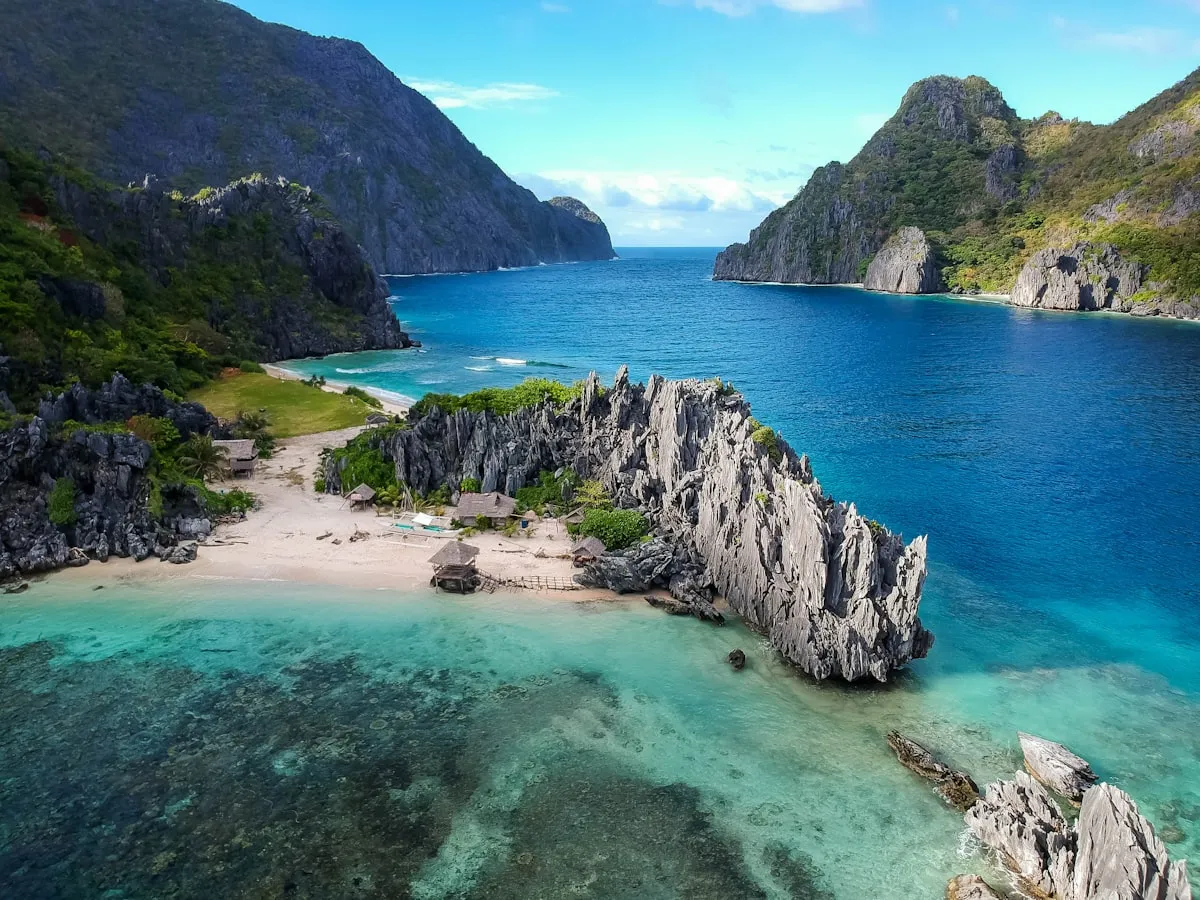
Zamboanga Peninsula: Pink Beach and Yakan Culture
Zamboanga Peninsula (Region IX) is one of the Philippines' most culturally distinctive regions - a place where Spanish colonial, Malay, and indigenous cultures have blended into something entirely unique. The Chabacano language (a Spanish-based creole spoken by over half a million people in Zamboanga City) is the only Spanish creole in Asia still spoken as a mother tongue. The Yakan people of Basilan Island weave some of the most geometrically complex textiles in Southeast Asia. And Great Santa Cruz Island has one of only four pink sand beaches in the world.
Important Note on Safety
Zamboanga City and the main peninsula areas have been stable for tourists for years. However, Basilan, Sulu, and Tawi-Tawi provinces (the BARMM autonomous region) have different security conditions. Always check current travel advisories from your government before planning any visit to these areas. This guide focuses on Zamboanga City and the main peninsula, which are generally considered safe for tourists.
Zamboanga City
Zamboanga City is a fascinating, undervisited Philippine city. The Fort Pilar National Shrine (1635) is the oldest standing fortification in Mindanao - a Spanish fort that successfully repelled Dutch and Moro raids for centuries, now a museum and active religious shrine. The Pasonanca Park is a hilltop botanical garden with the famous Tree House - an actual treehouse built in a large Acacia tree that serves as a guest cottage. The Yakan Weaving Village in Rio Hondo demonstrates the Yakan textile tradition with weavers working on traditional back-strap looms.
Great Santa Cruz Island: The Pink Beach
The pink sand beach of Great Santa Cruz Island is Zamboanga's headline attraction. The pink color comes from crushed coral fragments mixed with pulverized foraminifera (tiny marine organisms with red shells). The beach is genuinely pink - distinctly different from white sand, and more intensely colored in direct sunlight. Access is by bangka from the Zamboanga City pier (500-700 PHP return, 15-minute crossing); PAMB fee 50 PHP. The island has snorkeling, picnic facilities, and the remarkable color of the sand is worth the trip.
Yakan Weaving
The Yakan people of Basilan Island are the Philippines' most accomplished weavers. Their textiles (pis siyabit headbands, bunga sunduk shoulder bags, seputangan handkerchiefs) feature extraordinarily precise geometric patterns in contrasting colors - each pattern family traditionally belonging to a specific Yakan clan or village. The Yakan Weaving Village in Zamboanga City has Yakan weavers working and selling their products. Authentic Yakan cloth can take weeks to produce and costs accordingly (2,000-15,000 PHP for quality pieces).
Zamboanga's Food Scene
Chabacano cuisine reflects the city's cultural fusion: satti (skewered meat in coconut-peanut sauce with rice cakes) is the signature breakfast dish, eaten at roadside satti stalls that open from 5am. Curacha (spanner crab in rich coconut and tomato sauce) is the city's most celebrated seafood dish. Knickerbocker (a towering dessert of ice cream, jelly, fruits, and nata de coco) is the local sweet indulgence. The Paseo del Mar waterfront boulevard has the most restaurants and the best sunset views over the Basilan Strait.
Getting to Zamboanga
Fly from Manila, Cebu, or Davao to Zamboanga International Airport. Multiple daily flights from Manila (1.5 hours). From the airport, taxis and tricycles serve the city. See Zamboanga tours and cultural experiences on PANA.PH for guided options.