Philippine Eagle Center Davao: Meeting the World's Largest Eagle
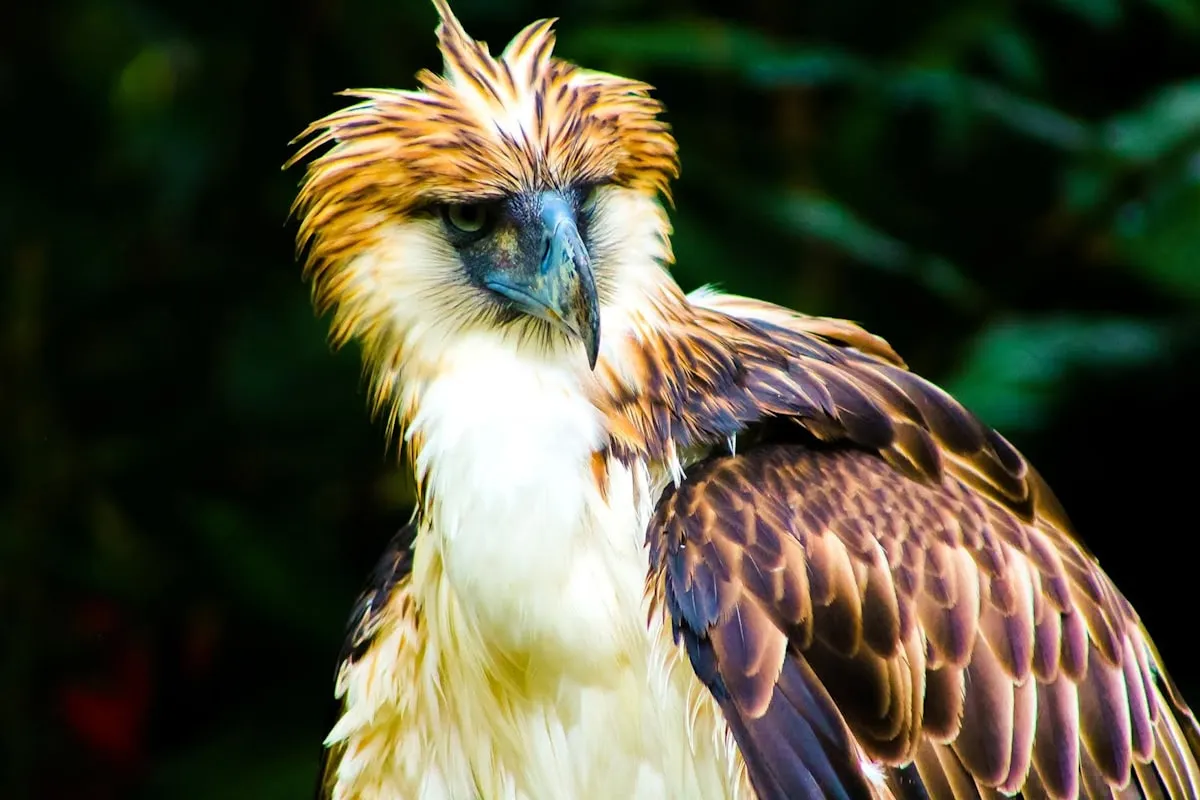
There is no photograph that prepares you for it. You round a bend in the forest trail, and there, perched on a thick branch behind the enclosure mesh, utterly still, is a Philippine Eagle. It turns its head slowly, fixes you with amber eyes the size of marbles, and in that moment you understand exactly why this bird is called the Haring Ibon. The King of Birds. The largest living eagle on Earth.
The Philippine Eagle Center in Malagos, Davao City, is one of the most extraordinary wildlife encounters in Southeast Asia. It is not a zoo in the conventional sense. It is a conservation facility, a breeding program, and the last line of defense for a species with fewer than 800 individuals remaining in the wild. Visiting it is both humbling and urgent, and if you are spending any time in Davao, it belongs at the very top of your list.
About the Philippine Eagle
The Pithecophaga jefferyi is endemic to the Philippines. It inhabits the old-growth forests of Mindanao, Leyte, Samar, and Luzon, with the largest population concentrated in the mountain forests of Mindanao. An apex predator, it hunts flying lemurs, monkeys, large bats, and occasionally small deer, stooping at speeds that can exceed 80 kilometers per hour. A single breeding pair requires a territory of roughly 100 square kilometers of pristine forest. As deforestation continues, that territory shrinks, and with it the eagle's chance of survival. The Philippine Eagle Center was established in 1987 to address this crisis through captive breeding, veterinary research, and public education.
What You Will See at the Center
The 8.4-hectare facility in Calinan, about 36 kilometers from downtown Davao, houses more than 34 Philippine Eagles at any given time, along with a supporting cast of Philippine wildlife: Philippine Eagle-Owls, Philippine Hornbills, Philippine Deer (the smallest deer in Asia), Philippine Crocodiles, Mindanao Bleeding-heart Pigeons, and the Palawan Bearcat (Binturong), which genuinely smells like popcorn. The eagles are housed in individual enclosures with natural vegetation, designed to maintain their wild instincts. Some individuals are habituated to human presence and will hold your gaze with startling composure.
The Breeding Program
The center has achieved something almost miraculous: successful captive breeding of the Philippine Eagle, which is notoriously difficult due to the bird's slow reproductive cycle (one egg every two years, extensive parental investment). As of 2025, more than 30 eagles have been bred in captivity. Some have been released back into the wild, fitted with tracking transmitters. Each one has a name, a personality documented by the keepers, and a dedicated conservation team. If you visit during a feeding session (check the schedule at the entrance), you may witness a bird that weighs seven kilograms pluck a rat from the air with a taloned foot the size of your hand.
Getting to the Philippine Eagle Center
The center is located in Barangay Calinan, about 36 kilometers from Davao City center. The most convenient option is a Philippine Eagle Center tour package that includes transport from your hotel and often combines the visit with Eden Nature Park. Alternatively, take a Grab or taxi (PHP 400-600 one way, 45-60 minutes from city center).
Opening Hours and Fees
Open daily 8:00 a.m. to 5:00 p.m. (last entry 4:00 p.m.). Entrance fees as of 2025: PHP 200 for foreign adults, PHP 100 for foreign children, PHP 80 for Filipino adults. Photography is permitted throughout the grounds. Drone flights require prior permission and are rarely granted to protect the birds from stress.
Tips for Getting the Most from Your Visit
- Arrive early: Eagles are most active in the cool morning hours. By noon, many will be resting and partially hidden in vegetation
- Allow 2-3 hours: A rushed visit does justice to neither the birds nor yourself
- Wear comfortable shoes: The trail through the grounds is shaded but uneven in places
- Bring water: The Malagos area is humid even in the dry season
- Give the eagles space: Do not press against the enclosure mesh or make sudden movements
- Combine with Malagos Garden Resort: The resort next door has its own botanical garden and restaurant, a good option for lunch
Beyond the Eagles: The Forest Trail
The walking trail through the center's grounds passes through secondary forest that feels genuinely wild, with tall dipterocarp trees closing overhead and the constant background of endemic birds calling from the canopy. Even if you were not here for the eagles, this forest walk would be worth doing. The combination of both makes it one of the finest nature experiences in Mindanao.
Conservation Context: Why This Visit Matters
Your entrance fee directly funds the center's operations. The center is run by the Philippine Eagle Foundation, a nonprofit that has operated for nearly four decades on chronically insufficient government funding. Visitor revenue is genuinely critical to its survival. The Philippine Eagle is critically endangered with fewer than 800 individuals remaining. Every person who stands in front of one and feels that weight of encounter becomes, in some small way, a stakeholder in the bird's future.
Final Thought
The Philippine Eagle is the Philippines in avian form: spectacular, proud, endemic to these islands and found nowhere else on Earth, and under pressure from forces largely outside its control. A visit to the Philippine Eagle Center in Davao is many things. But most of all, it is a reminder that the natural world occasionally produces things so extraordinary that protecting them is not a debate. It is simply what responsible people do. Go. Look into those amber eyes. Then tell everyone you know.