Iloilo City: The Food Capital of the Philippines
Filipino food lovers have long known what the rest of the world is only beginning to discover: Iloilo City, tucked into the western coast of Panay island in the Visayas, is one of the greatest eating cities in the Philippines. Some would argue it is the greatest. The Ilonggo people — the ethnic group native to western Visayas — have developed a food culture of exceptional refinement: subtle, broth-based, seafood-forward, and deeply tied to their coastal geography and their heritage as traders and fishermen who have been exchanging goods and recipes with their neighbors for centuries.
Visiting Iloilo purely for the food is not only justified but recommended. The city earns its informal title of "Food Capital of the Philippines" not through any single famous dish but through the breadth and depth of its culinary tradition — a tradition that spans humble market stalls and heritage restaurants, Chinese-Filipino fusion and pure Ilonggo home cooking, festival foods and everyday carinderia meals.
La Paz Batchoy: The Dish That Made Iloilo Famous
Ask any Filipino to name a dish from Iloilo and the answer will be immediate: batchoy. Specifically, La Paz Batchoy — named for the La Paz public market district where it was invented in the 1930s by a Chinese-Filipino cook named Federico Guillergan. The dish is a bowl of fresh egg noodles in a rich pork bone broth, topped with pork liver, pork intestines, crushed chicharron (pork cracklings), and a raw egg cracked on top that cooks partially in the steaming broth. A ladle of pork fat is drizzled over at the end.
The result is one of the most complex noodle soups in Philippine cuisine. The broth is deep and porky from long hours of bone simmering. The chicharron adds crunch and a secondary layer of pork flavor. The liver contributes a mineral earthiness. The egg enriches. The noodles — made fresh, thinner and springier than dried alternatives — give the whole thing lift and body. Eating La Paz Batchoy at one of the original stalls inside the La Paz market is a visceral experience: you are sitting on a plastic stool, surrounded by the market's organized chaos, eating a bowl that has been refined over ninety years of continuous service.
The competition among batchoy vendors in Iloilo is fierce and respectful. Regular customers have strong loyalties. Ted's Old Timer La Paz Batchoy — a chain that has expanded to Manila and beyond — maintains the original recipe with impressive consistency. But the market stalls, the ones that open at 6 AM and serve until the last bowl is sold, are where batchoy achieves its highest form. Join an Iloilo food tour to navigate the market stalls with a local guide who knows which vendor is having a good day.
Pancit Molo: The Wonton That Became Something Else
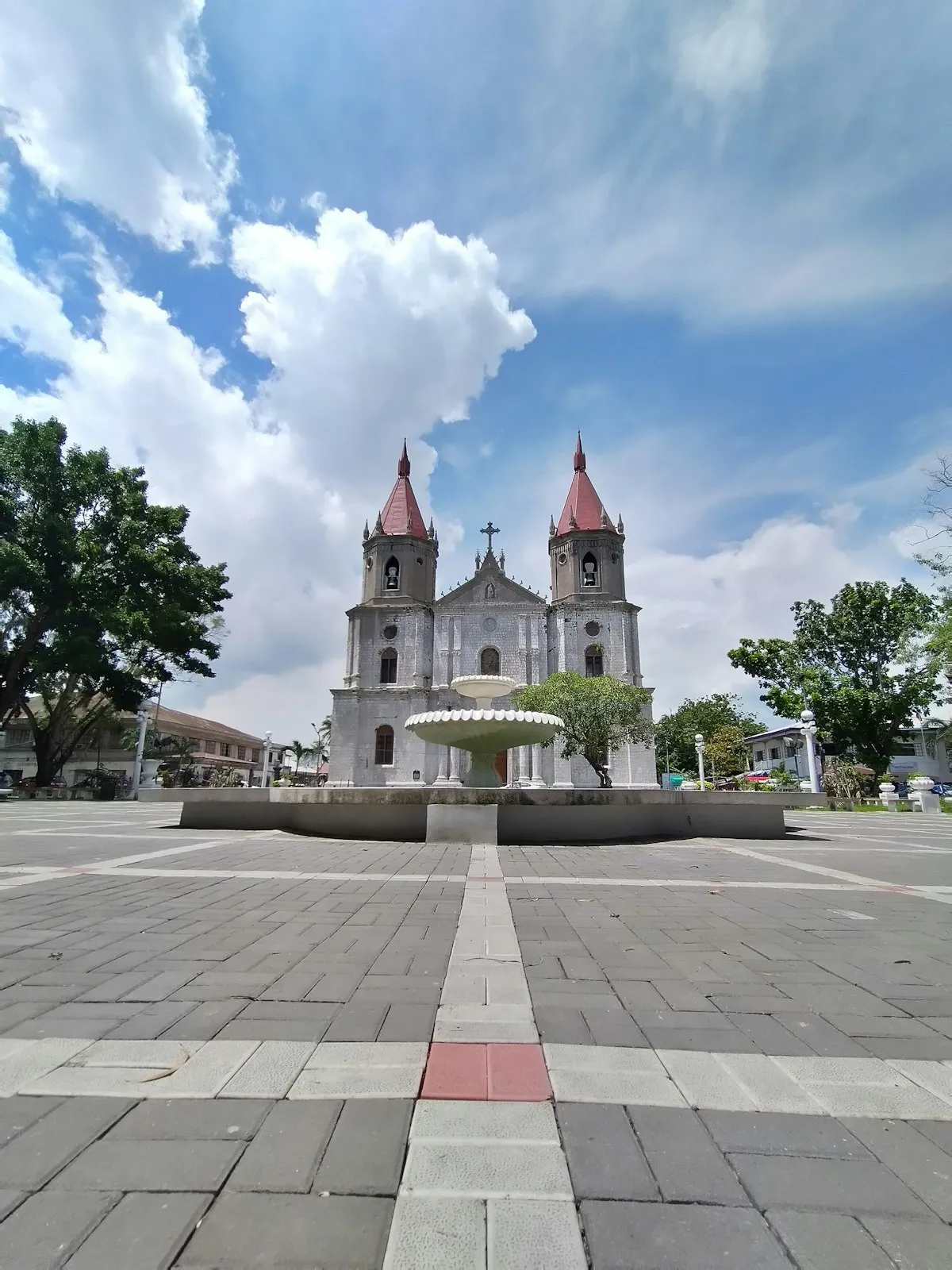
The Molo district of Iloilo City is a heritage neighborhood of Spanish-era churches, ancestral houses, and one of the most distinctive dishes in Philippine cuisine: Pancit Molo, a soup of small pork and shrimp dumplings in clear chicken broth. The dish is Chinese in ancestry — a variation of wonton soup brought to the Philippines by Fujianese traders — but has been so thoroughly transformed by local ingredients and Ilonggo sensibility that it bears little resemblance to its origins.
The dumplings are smaller than wontons, their skin thicker and chewier, their filling a mixture of pork and shrimp seasoned with garlic, green onions, and sometimes local spices. The broth is clear and chicken-based, refreshing rather than rich. The soup is finished with garlic fried in pork fat, a scatter of green onions, and sometimes shredded chicken. It is light, clean, and deeply satisfying — the kind of soup that works at breakfast, lunch, or the kind of late-evening meal you need after a long day of traveling.
The best Pancit Molo in Iloilo is made in Molo itself, in the family restaurants and carinderias that line the streets near the Molo Church. Some of these establishments have been making the same recipe for four or five generations. The continuity is the point.
Fresh Seafood: The Invisible Star
Because Iloilo sits on a strait between Panay island and Guimaras — the mango island whose fruit is considered the sweetest in the world — the city has access to exceptional fresh seafood and produce. The daily market at Iloilo's public market is one of the best fish markets in the Visayas: yellowfin tuna, blue marlin, talakitok (trevally), fresh prawns, clams, oysters, and a dozen varieties of shellfish arrive from the morning catch.
Ilonggo cooking uses this seafood with restraint and confidence. Fish sinigang (tamarind-sour soup) made with fresh talakitok has a clarity of flavor that pork sinigang cannot quite match. Kinilaw (raw fish cured in vinegar and coconut milk) made with morning-fresh tuna is one of the best bites in the Philippines. Crispy pla-pla (fried tilapia) from the freshwater fish farms surrounding the city is a staple of Ilonggo home cooking — simple, cheap, and deeply satisfying.
Kansi: Iloilo's Answer to Bulalo
A dish that deserves its own moment of respect: kansi is Iloilo's version of bulalo — beef shank and bone marrow in broth — but made sour with batwan fruit, a native souring agent that grows wild in the Visayan highlands and gives kansi a distinctive, almost fruity tartness that is entirely different from the tamarind used in sinigang. The result is a soup that sits between bulalo and sinigang in flavor profile — rich from the bone marrow, acidic from the batwan, deeply savory from the long-simmered bones. It is a dish you will only find in Iloilo and its surrounding areas. This exclusivity makes it worth seeking out.
Pancit Palabok and Iloilo Street Food
Street food in Iloilo follows the pattern of Philippines-wide street food culture — fish balls, kwek-kwek, barbecued pork skewers — but adds regional specialties that you will not find outside the Visayas. Baye-baye, a sweet rice cake made from young coconut and toasted rice, is sold at markets and roadside stalls. Biscocho — twice-baked bread rolls that have been buttered and sugared until crispy — are an Iloilo specialty that makes both a perfect breakfast and a perfect pasalubong. Piaya, a flatbread stuffed with muscovado sugar, is perhaps Iloilo's most famous export: sweet, slightly chewy, with a caramelized crust from the griddle.
The Heritage Restaurant Scene
Iloilo's restaurant scene has grown significantly in the last decade. The city's ancestral houses and heritage buildings have been converted into restaurants that serve Ilonggo classics alongside more contemporary Filipino cooking. Roberto's, one of the city's most beloved institutions, has been serving Ilonggo home cooking for decades. Breakthrough Restaurant, perched over the Diversion Road waterway, is famous for its fresh seafood and its unobstructed view of the Guimaras Strait.
The heritage district around Calle Real and Jaro neighborhood offers cafe culture alongside history — colonial-era buildings converted into coffee shops and bistros where you can eat a proper Ilonggo lunch before spending the afternoon visiting the Jaro Cathedral and the ancestral houses of Iloilo's ilustrado families.
Guimaras Mangoes: The World's Sweetest
No food trip to Iloilo is complete without a visit to Guimaras island, a short pump boat ride from the Ortiz Wharf. Guimaras mangoes — specifically the Carabao variety grown in the island's volcanic soil — are widely considered the sweetest mangoes in the world. They won the international mango competition in Japan two years running. Eating one fresh from the tree, still warm from the sun, is one of the simple pleasures that makes travel worthwhile. The annual Guimaras Manggahan Festival (April-May) celebrates the harvest with mango-themed everything: mango wine, mango lechon (a marinade), mango ice cream, and mango competitions of escalating creativity.
Getting There and Staying
Iloilo City is well connected by air — daily flights from Manila take one hour, and the Iloilo International Airport is 17 kilometers from the city center. The city is compact and walkable in its historic center, with tricycles and jeepneys providing cheap local transport. It is easily combined with Guimaras (pump boat) and Antique province (bus) for a broader Visayas itinerary.
The best way to experience Iloilo's food culture comprehensively is through a guided food tour that covers the market, the heritage restaurants, and the street food stalls in a single half-day. Iloilo's food scene rewards the curious eater — the more you dig, the better it gets. Start hungry. Stay long.