Oslob Whale Shark Watching: Everything You Need to Know Before You Go
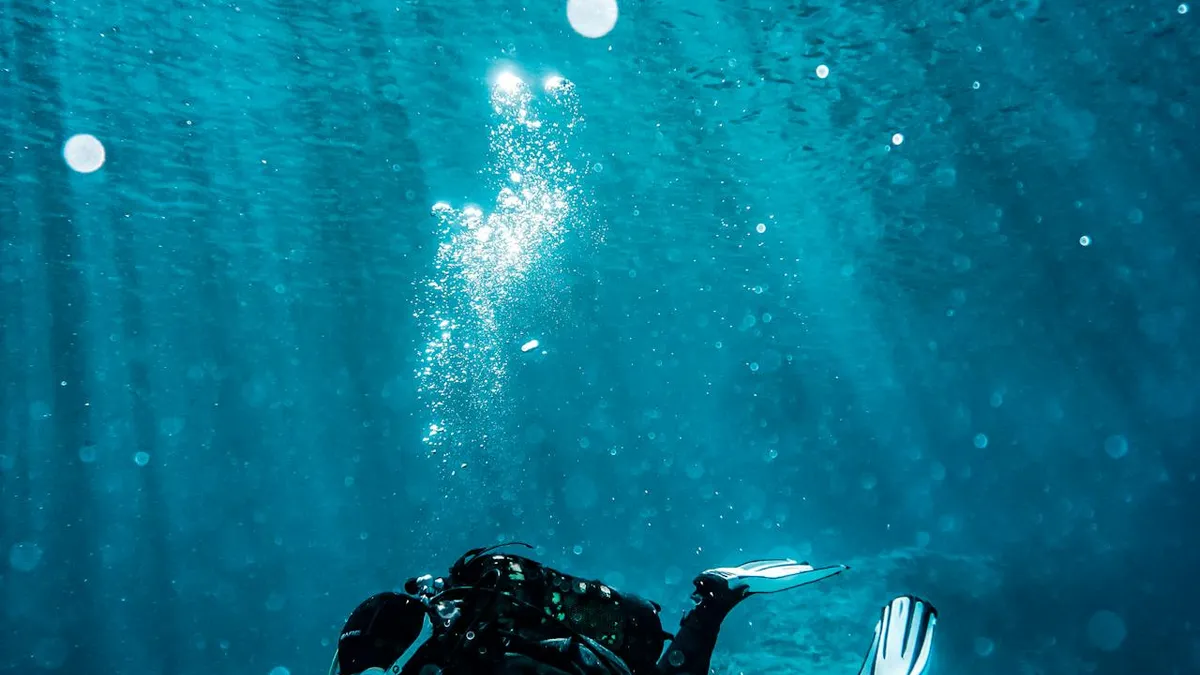
There is a moment, somewhere south of Cebu City, when you slip beneath the surface of the water and the ocean becomes a different world entirely. The light filters down in pale columns, and then you see it: a whale shark the size of a school bus gliding toward you with impossible grace. Its mouth is wide open, its body dappled in white spots, and for a few seconds you forget to breathe.
That moment happens every morning at Oslob, a quiet fishing town on Cebu southeastern coast, and it has transformed both the town and how travelers think about wildlife encounters. If you are planning to come here, you owe it to yourself to understand exactly what this experience is, what it is not, and how to get the most from it.
What Is the Oslob Whale Shark Experience?
Local fishermen in Barangay Tan-awan discovered that whale sharks followed their boats hoping for scraps. They formalized the feeding into a structured tourism program. Fishermen now paddle out in outrigger boats each morning and toss handfuls of uyap, tiny shrimp, into the water to keep the sharks close to shore. This means the encounter is not wild. The sharks are conditioned to come here for food. They stay in a roped-off area while snorkelers and divers observe from a few meters away. The experience is managed, predictable, and accessible to almost anyone including non-swimmers, because life jackets are available. Critics argue that feeding alters the sharks natural behavior. Supporters note that the program has given the local community a sustainable livelihood and has dramatically reduced illegal fishing. The debate is genuine, and you should weigh it before you go.
Prices, Timing and What to Expect
The whale shark interaction area opens at 6:00 AM and typically runs until noon. Current fees for 2025: snorkeling with whale sharks at PHP 1,000 per person, scuba diving at PHP 1,200 per person, non-swimming observer on the boat at PHP 500, and underwater camera rental from around PHP 200. The interaction lasts roughly 30 minutes in the water, though the total process including registration and briefing takes 1.5 to 2 hours. Come with cash as there are no ATMs at the site. Rules strictly enforced: no sunscreen, no touching, keep at least one meter distance, no flash photography.
How to Get to Oslob from Cebu City
Oslob is roughly 120 kilometers south of Cebu City. V-hire vans take 2.5 to 3 hours at around PHP 200 to 250. Air-conditioned buses cost around PHP 180. Most travelers combine Oslob with Kawasan Falls canyoneering in a single day, leaving Cebu City at 3 or 4 AM. Our Oslob whale shark tour includes transport from Cebu City, the interaction fee, and a stop at Tumalog Falls.
Tumalog Falls: The Hidden Bonus
About 3 kilometers from the whale shark area, Tumalog Falls is a misty curtain of water dropping into a cool shallow pool surrounded by rock formations. Entrance is PHP 50 and a habal-habal ride up the hill costs PHP 20 each way. Go right after your whale shark swim before the day heats up.
Tips for First-Timers
- Arrive before 6:30 AM to beat the crowd
- Bring only reef-safe physical sunscreen
- Wear a rash guard for sun protection
- A GoPro or waterproof camera is worth bringing
- Eat a light breakfast as some people feel seasick on small outrigger boats
- Bring cash for fees, snacks, and the habal-habal to Tumalog Falls
Oslob is one of those rare Philippine experiences that genuinely lives up to the hype. The whale sharks will not disappoint you.