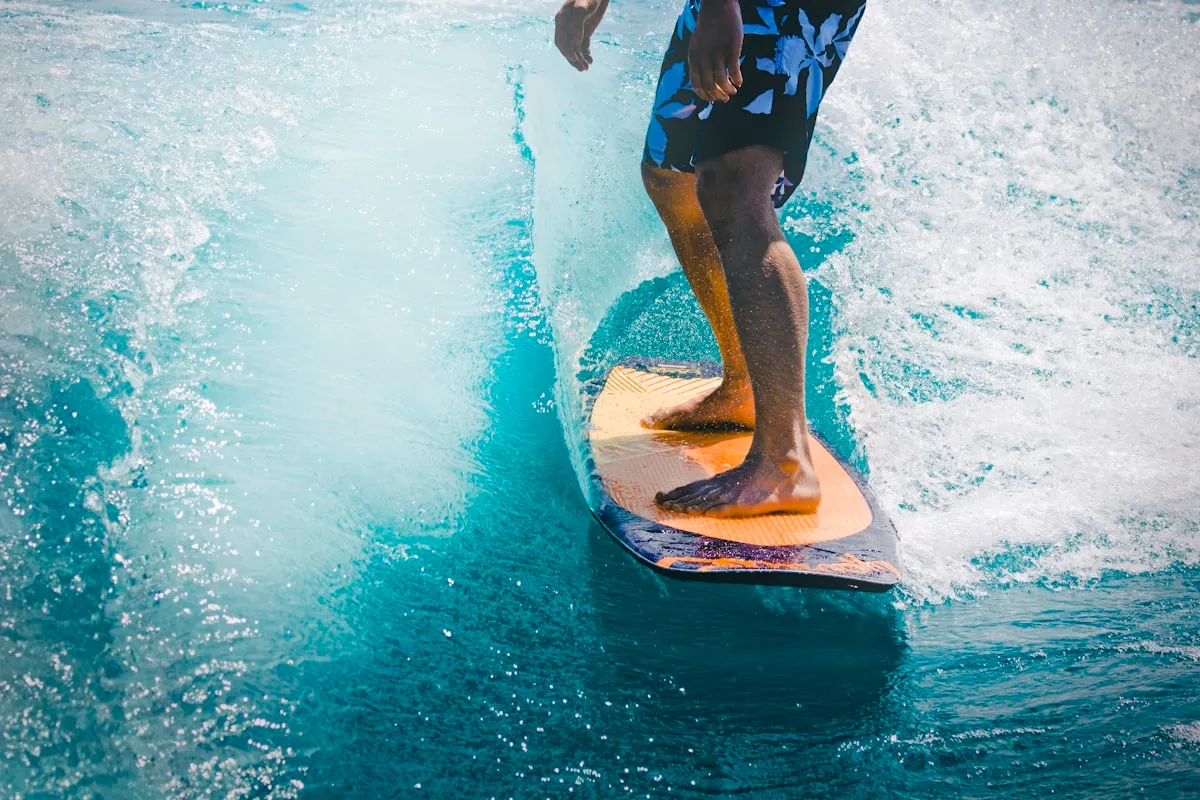
The Philippines: An Underrated Surf Destination
When serious surfers list the world's great surf destinations, Indonesia usually tops the list. But the Philippines, sitting in the same Pacific ring of fire, catches the same swells, the same typhoon energy, and the same warm water. It just gets a fraction of the global attention. That's changing fast.
Beyond the headline spot of Cloud 9, the Philippines hides a remarkable variety of surf breaks — point breaks, beach breaks, reef breaks, left-handers, right-handers — scattered across an archipelago of 7,641 islands. Here's where to go, when to go, and what to expect at each destination.
Cloud 9, Siargao — The Crown Jewel
If you're going to surf one wave in the Philippines, it's this one. Cloud 9 is a right-hand reef break in General Luna, Siargao Island, delivering the kind of hollow, powerful barrel that lives in surfing imagination. The wave breaks over a shallow coral reef and works best from August through November when Pacific swells are most consistent.
Best for: Intermediate to advanced surfers. The reef is shallow and the wave is fast. Not suitable for beginners.
When to go: August-November for power and consistency; March-July for smaller, friendlier conditions and fewer crowds.
Read the full Cloud 9 guide here.
Baler, Aurora — The Birthplace of Philippine Surfing
Two hours from Manila, Baler on the northeast coast of Luzon is where surfing culture first took root in the Philippines. The main break at Sabang Beach is a consistent beach break that works year-round, with best conditions during the northeast monsoon (October to March) when swells wrap around the headland.
Baler is ideal for beginners and intermediates. The beach break is forgiving, surf schools are excellent and well-priced, and the town has a genuine surfing community feel that's distinct from tourist-heavy Siargao. Authenticity is high; the crowds are lower.
Best for: Beginners, intermediates, anyone within reach of Manila wanting a weekend surf trip.
When to go: October-March (northeast monsoon brings consistent swell to this east-facing coast).
La Union — The Weekend Escape from Manila
La Union (specifically San Juan, La Union) is the closest surf destination to Metro Manila — about 4-5 hours by bus or car. Waves are gentler and less consistent than Baler or Siargao, making it perfect for beginners and casual surfers. Surf schools operate on the beach year-round, and the area has developed a thriving cafe and restaurant scene that attracts Manila weekenders even when the surf is flat.
Best for: Absolute beginners, Manila weekenders, casual surfers.
When to go: Surf season runs roughly October-February; waves are generally small but fun and forgiving.
Catanduanes — The Island of Howling Winds
Known locally as the "Land of the Howling Winds," Catanduanes off the coast of Luzon receives direct Pacific swell with nothing to block it. Puraran Beach on the east coast has a world-class right-hand reef break called Majestics — one of the Philippines' heaviest waves when it fires. It fires regularly during the northwest monsoon, which overlaps with typhoon season, so timing requires careful planning and a healthy respect for conditions.
Best for: Advanced surfers only. Majestics is powerful, shallow, and unforgiving.
When to go: August-October for the best swell, while acknowledging typhoon risk and staying flexible.
Pagudpud, Ilocos Norte — The Blue Lagoon
At the northern tip of Luzon, Pagudpud is famous for its dramatic Blue Lagoon scenery. The surf is gentler and seasonal, working best during the northeast monsoon. Not a destination purely for surfing, but the combination of waves, stunning scenery, and minimal crowds makes it worth including on a northern Luzon road trip.
Puerto Galera, Mindoro
Two hours from Manila by land and ferry, Puerto Galera is best known for diving but has surfable waves during the northeast monsoon. Aninuan Beach catches decent swells and has basic surf rental and lessons. Good option for Manila-based surfers who want to combine diving and surfing in one trip.
Understanding Philippines Surf Seasons
The Philippines' surf geography is defined by two monsoons and a typhoon season. Understanding this is key to picking the right spot at the right time:
- Northeast monsoon (amihan), October-February: Brings swell to east-facing coasts (Baler, Catanduanes, Pacific-facing spots). La Union and north Luzon work well. Siargao's main breaks go onshore (choppy, unfavorable).
- Southwest monsoon (habagat), May-September: Generates south swells. This is when Siargao and the Visayas shine. Cloud 9 is best in August-November when this overlaps with typhoon-generated Pacific swell.
- Typhoon season, August-October: Overlaps with the best Siargao conditions. Swells get big. Check weather forecasts carefully and stay flexible with travel dates.
Final Word
The Philippines rewards surfers willing to explore beyond the headline spot. Beyond Cloud 9, the country has breaks for every level across dozens of surf-able islands. Go north for history and accessibility from Manila. Go to Siargao for the full surf island experience. Or go to Catanduanes if you're chasing heavy water. The ocean here is warm, the people are welcoming, and the waves — when they come — are genuinely world-class.