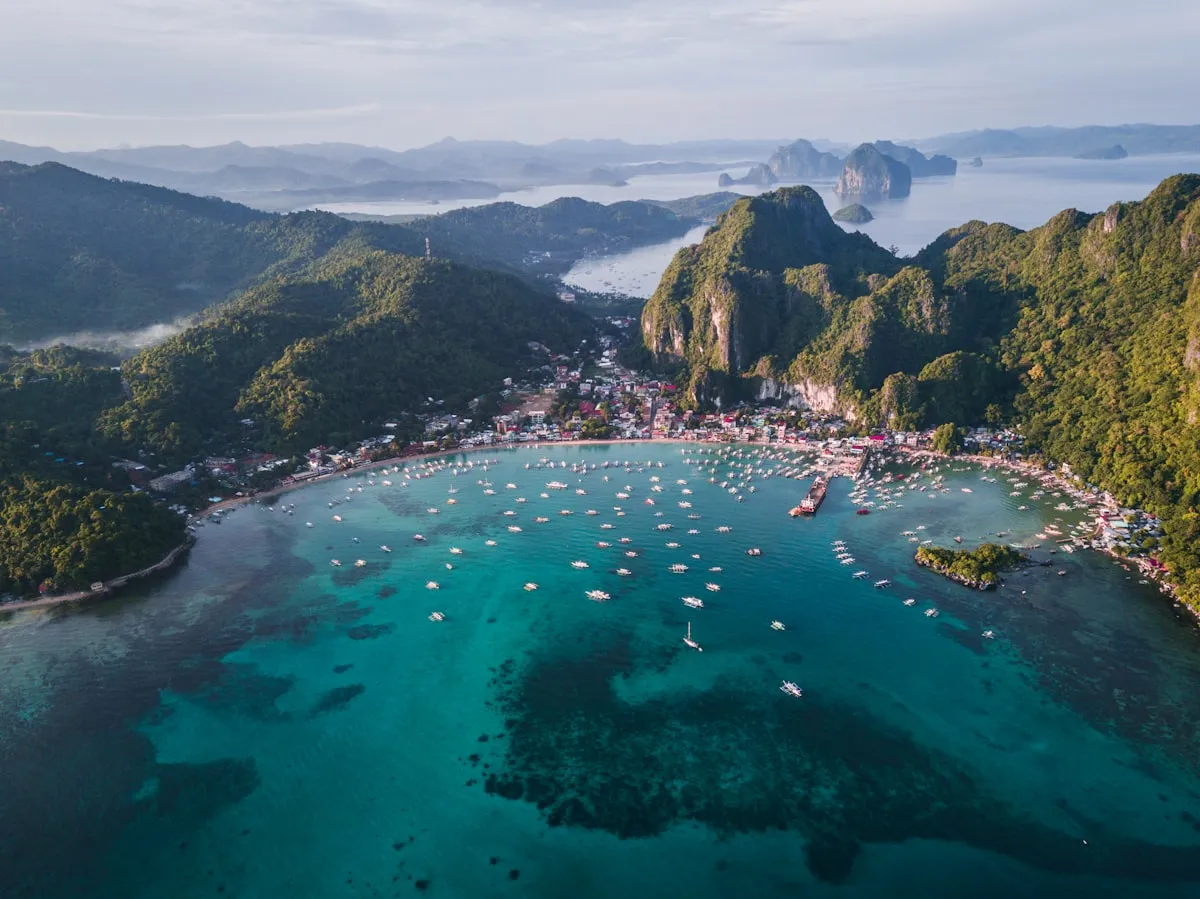
Anilao: World-Class Diving Two Hours from Manila
Most of the Philippines' best dive destinations require a flight to reach — Siargao, Malapascua, Coron, Tubbataha. Anilao in Mabini, Batangas offers something different: world-class diving within 2-3 hours of Manila by road. It's the go-to weekend dive destination for Manila-based divers and expats, and its underwater credentials go well beyond geographic convenience.
Anilao is one of Southeast Asia's premier macro diving destinations — a place where underwater photographers from around the world travel specifically to find species that don't exist in observable numbers anywhere else. The Coral Triangle (the intersection of the Philippines, Indonesia, and Malaysia) reaches its northwestern apex near Anilao, and the marine biodiversity here reflects that exceptional geographic position.
What Makes Anilao Special for Macro Diving
Macro diving focuses on small marine life — nudibranchs, pygmy seahorses, frogfish, rhinopias, hairy squat lobsters, and hundreds of other species that are spectacular up close but easy to miss without a guide who knows where they live. Anilao's sandy rubble areas, sea grass beds, and coral outcrops host an extraordinary density of macro life that has been documented by scientific surveys as among the richest in the world.
Species regularly documented and photographed by visiting divers at Anilao include: Mimic octopus, blue-ringed octopus, flamboyant cuttlefish, rhinopias (the holy grail of macro photography), pygmy seahorses on sea fans, diverse nudibranch species (Anilao has over 800 documented species), hairy and coral frogfish, mantis shrimp in their burrows, and ornate ghost pipefish.
The Dive Sites
Mainit (Hot Water)
Named for the geothermal vents that warm the water in certain sections, Mainit is Anilao's most famous macro site. The mix of warm and regular water creates unusual conditions that attract unusual species — rhinopias and other rare critters are regularly found here by local dive guides who know exactly where to look.
Ligpo Island
A wall dive with excellent coral cover and consistent blue-water visibility. Good for the full range of species rather than specific macro rarities — reef fish, cuttlefish, octopus, and the occasional pelagic visitor.
Twin Rocks
Two large rock formations connected by a coral arch at around 18 meters. Excellent for wide-angle photography as well as macro; sweetlips, grouper, and schools of anthias populate the pinnacles.
Koala
A sloping reef site with excellent macro hunting — pygmy seahorses on sea fans here are regularly documented by photographers who return to the same fan across multiple dives.
Getting to Anilao
From Manila: take the expressway toward Batangas (STAR Tollway), exit at Batangas City, then continue to Mabini. The drive takes 2-3 hours depending on Manila traffic. The main resort strip is at Anilao Proper in Mabini — a small coastal area with dive resorts ranging from basic to upscale.
Weekend bookings fill fast during dive season. Book your resort accommodation at least 2 weeks in advance for weekends; some popular spots book out a month ahead during peak periods (April-May, November).
Anilao for Non-Photographers
The macro reputation can make it sound like Anilao is only for specialist photographers, which isn't accurate. The reef life is diverse and healthy enough to be excellent for all divers. Fun dives, discover scuba experiences, and PADI courses are all available through the resort dive operations. The coral health at many Anilao sites is excellent by Philippine standards, and reef fish density keeps non-macro divers engaged throughout a dive.
For a day trip from Manila, book an Anilao diving day trip that includes transport, guide, and equipment.
Best Time to Visit
Anilao is diveable year-round. Best visibility is during the dry season (November-May). During the southwest monsoon (June-October), some sites on the exposed side can be affected by surge. The sheltered sites remain diveable year-round. Visibility averages 10-15 meters at most sites; occasionally pushing to 20+ on particularly calm days.
Final Word
Anilao punches above its weight for a destination two hours from a major metropolis. The macro life density, the cumulative scientific documentation of its biodiversity, and the fact that local guides have the site knowledge to find specific critters on specific sea fans make it genuinely world-class rather than merely convenient. Manila-based divers should be ashamed if they haven't been. International divers transiting through Manila should build in at least a weekend. The critters are waiting.