Siargao in October and November: Peak Surf Season
October and November are the peak surf months on Siargao. The northeast monsoon (Amihan) is just beginning to establish itself, and the combination of swell direction and wind creates conditions that draw professional surfers from around the world. Cloud 9 breaks at its most powerful and consistent. But Siargao in this period is more than just surfing -- here is the complete guide.
Surf Conditions: What Peak Season Means
Cloud 9 (officially Tuason Point) is a right-handed reef break that works best on northeast swells. October and November deliver consistent 2-4 metre faces with good shape. The Siargao Cup international surfing competition was historically held in September-October when conditions are most reliable. For experienced surfers this is the objective best time to be here. For beginners: surf schools operate year-round on Jacking Horse (a gentler wave near Cloud 9) and on the Roca Vecina break, but October-November is not ideal for learning -- the swells can be overhead-and-a-half even at beginner spots.
Beyond Surfing: October-November Activities
- Island hopping to Naked Island, Daku Island, and Guyam Island -- sea conditions can be rougher but tours still operate on calm days
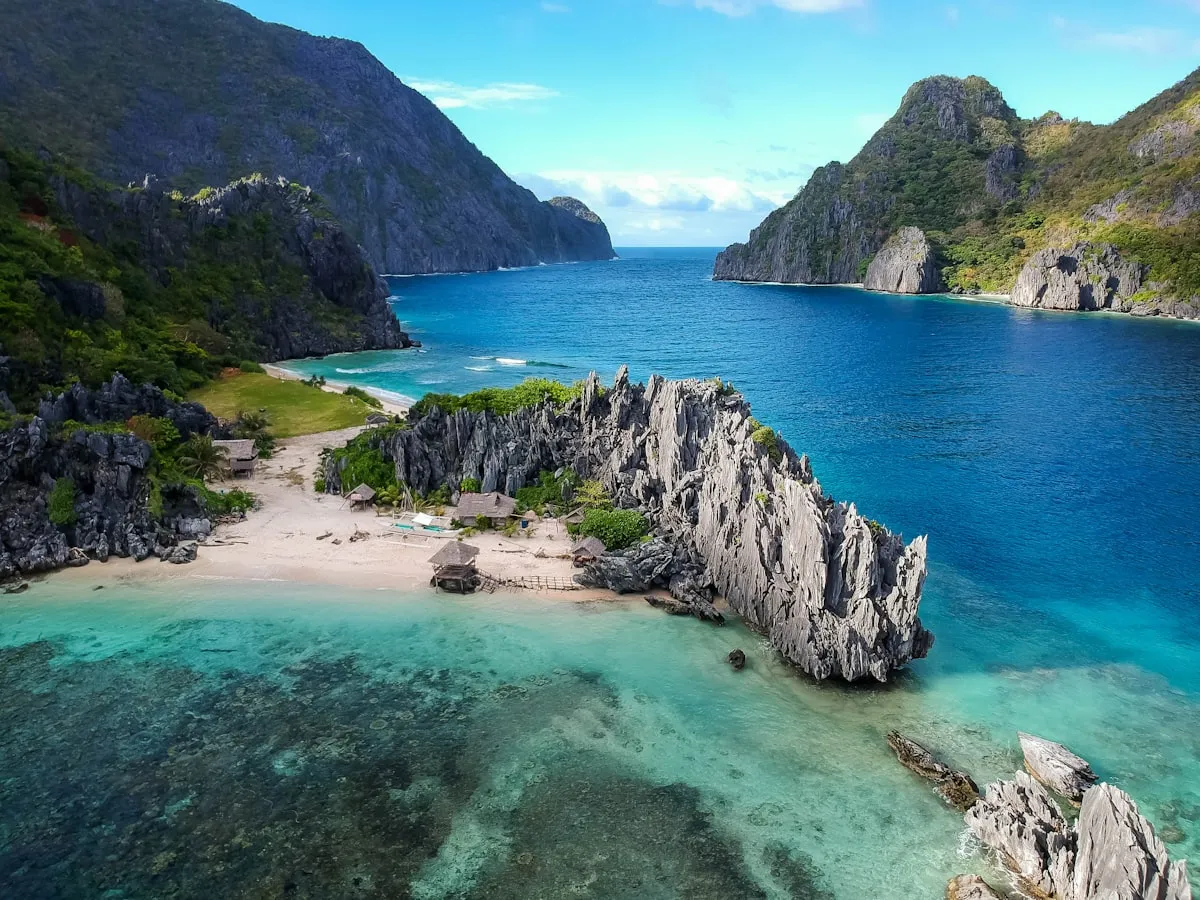
- Sugba Lagoon -- dramatic blue water surrounded by karst cliffs, accessible by boat. Usually less crowded in October-November than in summer.
- Mangrove kayaking in Sohoton Cove, Bucas Grande -- one of the most spectacular natural features in the Philippines. Jellyfish Lake season is typically August-November.
- Island exploration by motorbike -- the road network around the main island is good enough for daily exploration with rented scooters PHP 300-400 per day.
Weather Reality
October and November are transition months. Expect: some rain, particularly in the evenings. The surf swells often come with associated weather systems. You may have 3 days of perfect sunshine followed by 2 days of overcast conditions and rain. This is normal and expected. The tradeoff is that accommodation rates are 20-30% lower than the December-February peak.