The Most Biodiverse Place You Have Probably Underestimated
When conservation scientists compile the 17 mega-diverse countries that hold more than 70% of Earths species, the Philippines is always on the list. For a country covering only 300,000 km2, it hosts a density of unique life that rivals the Amazon. This guide helps travellers understand what they are actually looking at when they snorkel a reef or watch a tarsier blink from a branch.
The Numbers
- 52,177 described species -- new ones discovered every year
- 67% endemism rate -- most Philippines species live nowhere else
- 113 endemic mammal species
- 195 endemic bird species including the Philippine Eagle
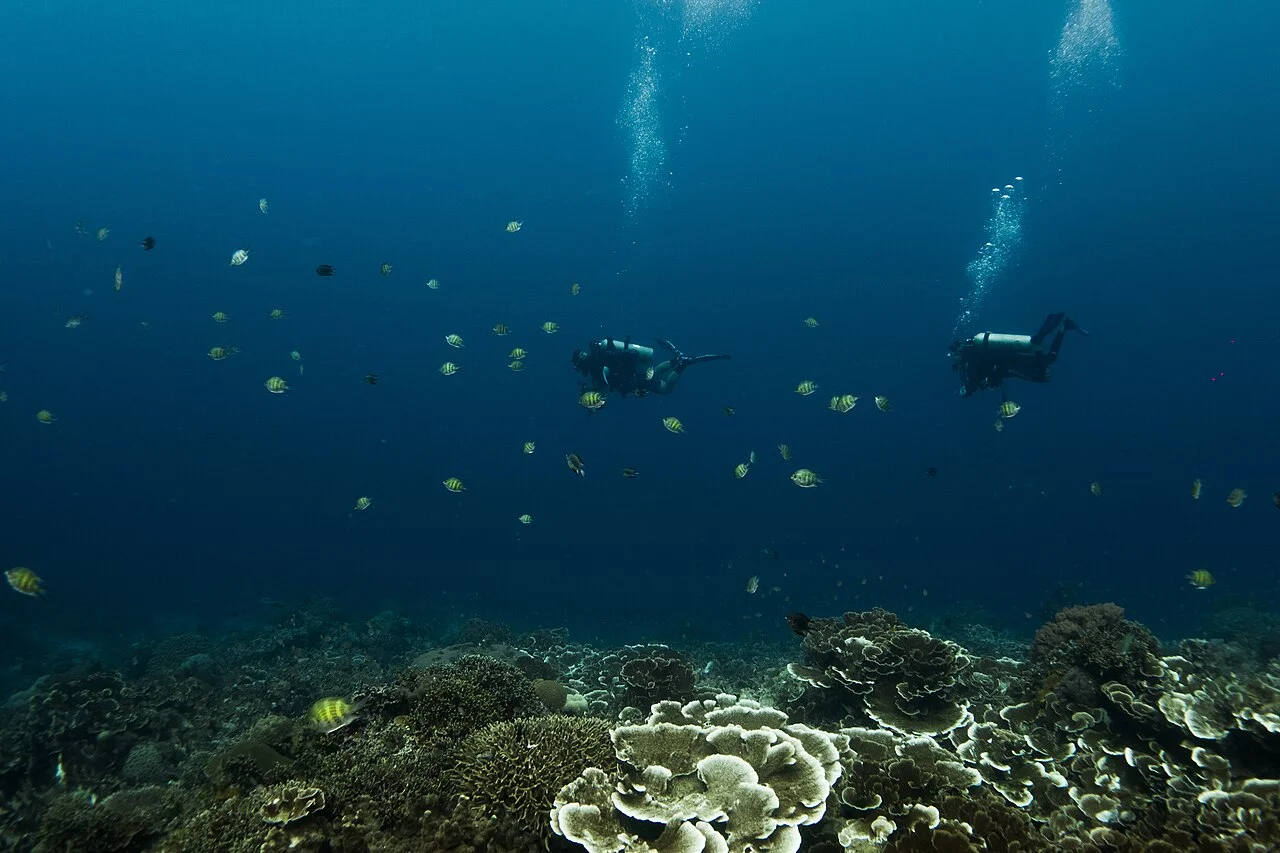
- 600+ coral species in Tubbataha alone -- more than the entire Caribbean combined
- 2,000+ fish species in Philippine waters
Why So Biodiverse?
Three forces combined: island isolation (each major island evolved independently), the Coral Triangle epicentre (between Philippines, Indonesia, and Papua New Guinea -- where new marine species emerge and radiate globally), and multiple climate zones (Batanes near-temperate in the north, Sulu near-equatorial in the south, Sierra Madre creating distinct eastern and western ecosystems on Luzon).
Marine Life You Will Actually Encounter
Whale Sharks (butanding): The worlds largest fish at up to 12 metres. Oslob in Cebu: fed, reliable year-round (ethical debate ongoing). Donsol in Sorsogon: wild encounters February-May, the worlds largest documented whale shark aggregation. Thresher Sharks: Malapascua Island is one of only 2-3 places globally with reliable daily thresher sightings at Monad Shoal at dawn. Nudibranchs and Pygmy Seahorses: Anilao, Puerto Galera, and Tubbataha regularly produce new-to-science species. Dugongs: Fewer than 800 remain, concentrated around Palawans Honda Bay.