Pamplona Travel Guide 2026
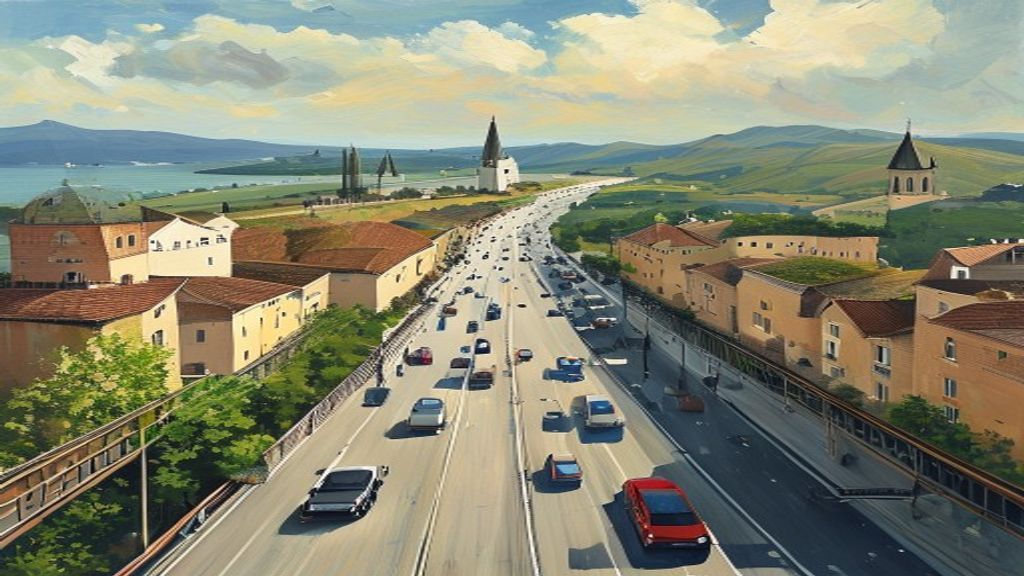
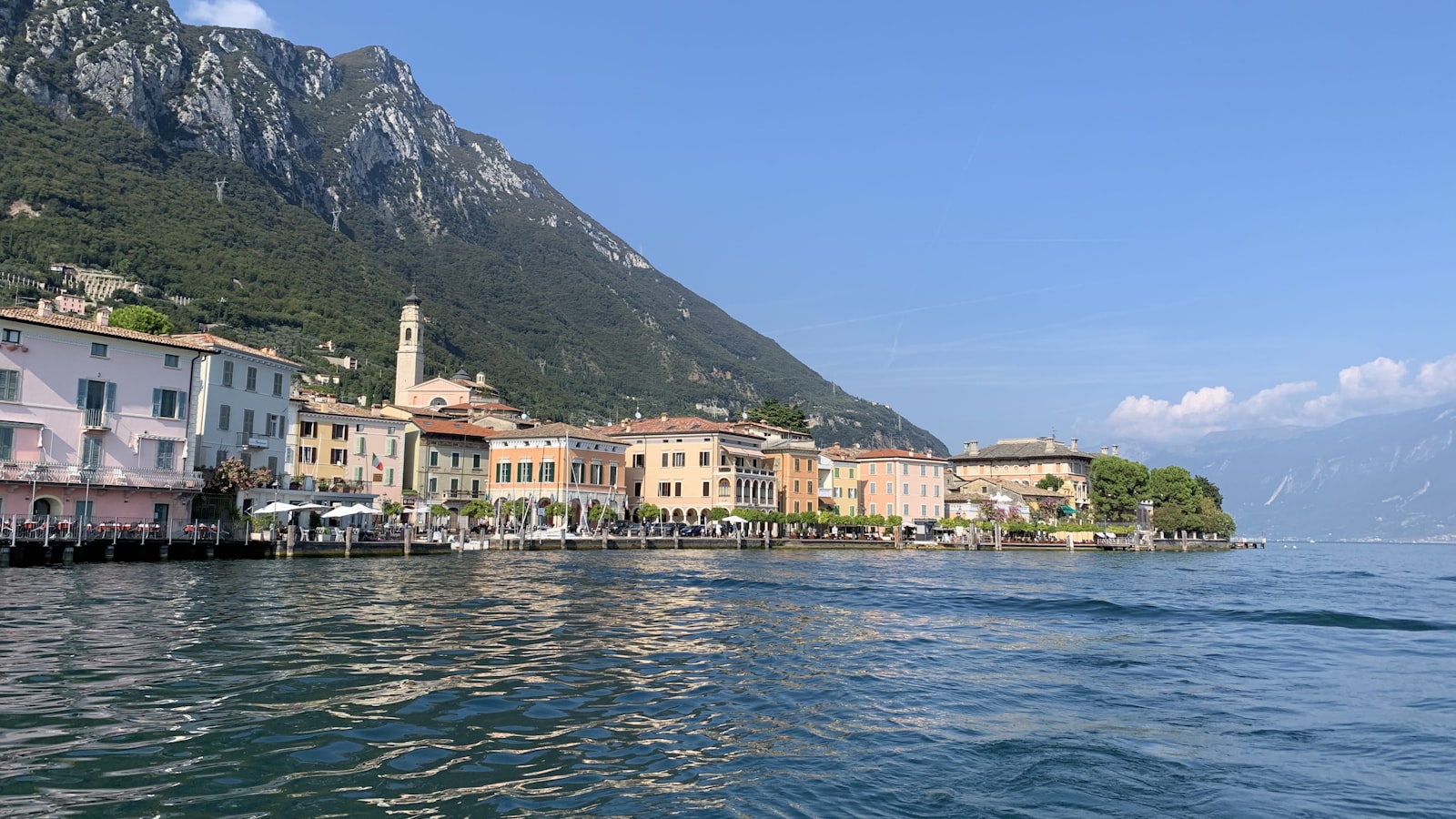
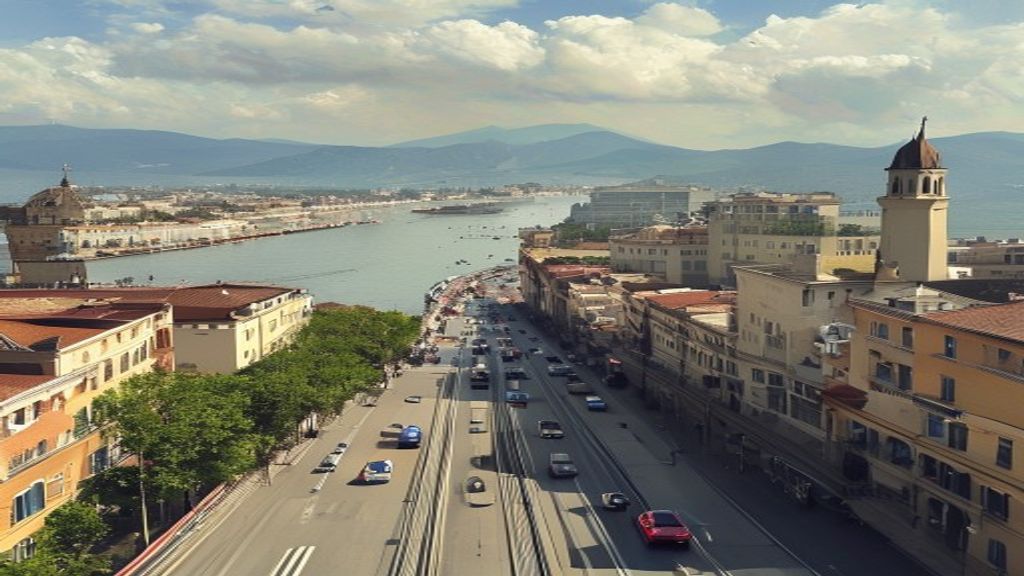
Pamplona is a vibrant Spanish city where historic charm meets modern life. In 2026, travelers can enjoy its lively festivals, beautiful parks, and rich culinary scene. Whether you’re a history buff, food lover, or adventure seeker, Pamplona offers something for everyone.
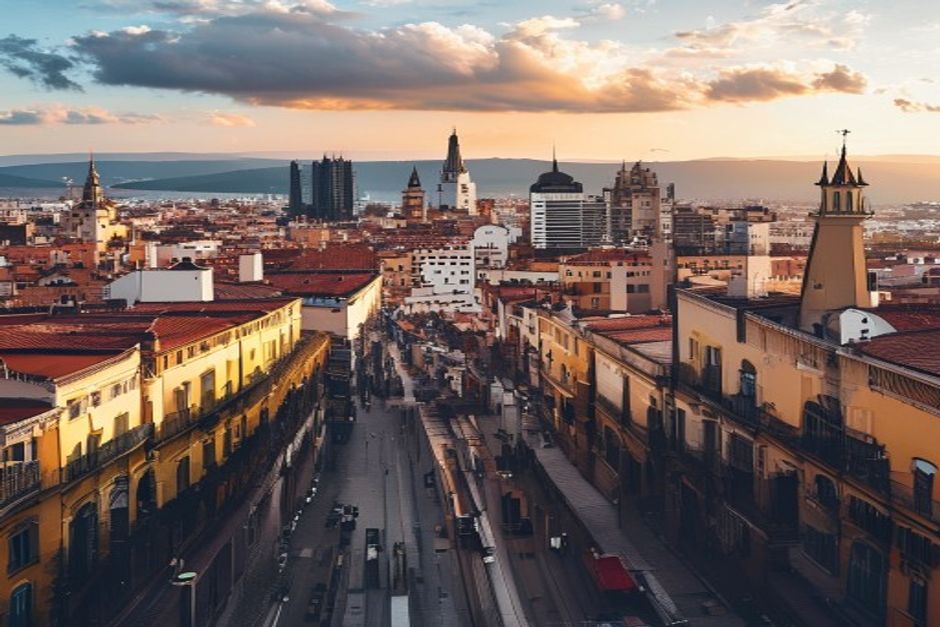
Is Pamplona worth visiting?
Pamplona is a must‑visit destination for anyone exploring northern Spain. Its mix of medieval architecture, lively plazas, and world‑famous festivals make it a memorable stop on any itinerary.
Best Time to Visit Pamplona
The city’s climate is mild, but the best months for sightseeing and festivals are late spring and early autumn.
- May to June: Warm temperatures (20‑25°C), blooming gardens, and the start of the San Fermín festival in July.
- September to October: Pleasant weather (18‑22°C), fewer crowds, and the harvest season brings fresh local produce.
- Winter (December–January): Cooler (10‑15°C) but cozy, with festive lights and fewer tourists.
Top Well‑Known Attractions
Pamplona’s attractions blend history, culture, and nature:
- San Fermín Festival Grounds: The heart of the famous running‑of‑the‑bulls event.
- Pamplona Cathedral (Catedral de Santa María la Real): A stunning example of Gothic architecture.
- Plaza del Castillo: The main square surrounded by cafés and historic buildings.
- Parque de la Taconera: A lush park with a small zoo, perfect for a relaxed stroll.
- Museo de Navarra: Showcases regional art and history.

Typical Local Food Categories
Pamplona’s cuisine reflects Navarre’s diverse heritage. Explore these categories:
- Tapas & Pintxos: Small plates like tortilla española, chorizo, and grilled sardines.
- Seafood: Fresh fish, paella, and grilled octopus.
- Meat & Game: Lamb, pork, and rabbit dishes often seasoned with local herbs.
- Cheeses & Charcuterie: Manchego, Idiazabal, and cured ham.
- Desserts: Churros, tarta de Santiago, and local pastries.
Transportation Overview
Getting around Pamplona is easy:
- Public Bus: Frequent routes cover the city and nearby villages.
- Taxis & Ride‑Share: Widely available, especially during festivals.
- Bicycles: Rental shops offer bikes for exploring parks and the city center.
- Car Rental: Convenient for day trips to the surrounding countryside.
Where to Stay
Pamplona offers a range of accommodation options to suit every budget:
- Budget‑Friendly: Hostels and guesthouses with basic amenities.
- Mid‑Range ($$): Boutique hotels and well‑rated B&Bs.
- Upscale ($$$): Luxury hotels with spa services and panoramic views.
🏨 Where to Stay in Pamplona
View All Hotels in Pamplona


Practical Tips for Travelers
- Language: Spanish is the primary language; many locals also speak Basque.
- Currency: Euro (€). Credit cards are widely accepted.
- Safety: Pamplona is generally safe; stay alert during large festivals.
- Duration: A 3‑day stay lets you experience the main sights and a festival if timing allows.
Frequently Asked Questions
What is the best time to visit Pamplona?
The optimal period is late spring (May‑June) and early autumn (September‑October) when temperatures are comfortable, and the city hosts vibrant festivals and harvest events.
Is Pamplona safe for tourists?
Yes, Pamplona is considered safe for visitors. Standard precautions apply, especially during large events like San Fermín, where crowds can be dense.
How much does a typical day cost in Pamplona?
A budget traveler can manage on a daily budget of around €50‑70, covering meals, transport, and entry fees. Mid‑range travelers may spend €80‑120 per day.
What language is spoken in Pamplona?
Spanish is the official language, with many residents also speaking Basque. English is commonly understood in tourist areas.
[IMAGE: famous landmark in Pamplona