Narni Travel Guide 2026
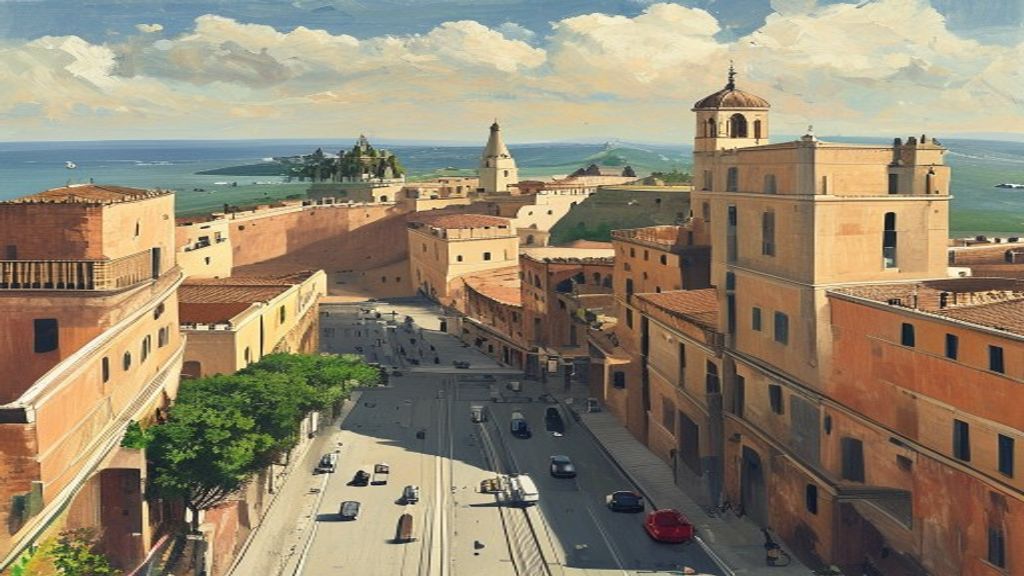
Welcome to Narni, a charming hilltop town in Umbria that feels like stepping back into medieval Italy. Whether you’re a history buff, a foodie, or a relaxed traveler, Narni offers a blend of ancient architecture, lush landscapes, and warm hospitality.
Is Narni worth visiting?
Narni is a hidden gem that captivates visitors with its well-preserved Roman walls, medieval churches, and vibrant local markets. The town’s relaxed pace and authentic atmosphere make it a perfect escape from busier cities.
Best Time to Visit Narni
The ideal months to explore Narni are late spring (May to June) and early autumn (September to October). During these periods the weather is mild, the crowds are manageable, and the surrounding hills burst with color.
- May-June: Temperatures range 18‑24 °C, perfect for walking the cobblestones.
- September-October: Cooler evenings and the harvest season bring fresh produce to local stalls.
Top Well-Known Attractions
- Roman Walls of Narni: Walk along the ancient ramparts that overlook the Nera River. The walls are a UNESCO‑listed heritage site and provide panoramic views.
- San Francesco Church: A stunning example of Romanesque architecture with beautiful frescoes.
- Piazza del Popolo: The heart of the town, surrounded by historic buildings and cafés.
- Narni Cathedral (Duomo di San Gennaro): A blend of Gothic and Baroque styles, featuring intricate stonework.
- The Grotto of the Holy Cross: A natural cave that has been a pilgrimage site for centuries.
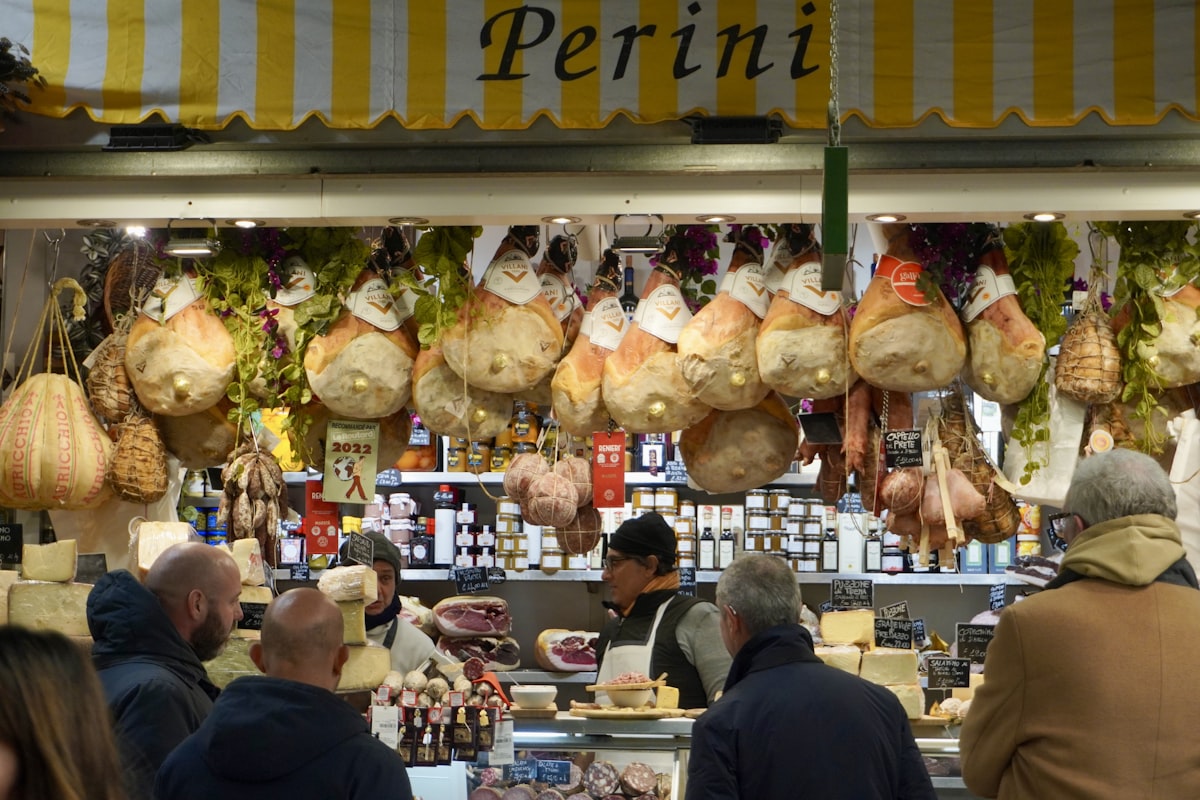
Typical Local Food Categories
- Pasta: Try pici with wild boar ragù, a regional specialty.
- Cheese: Local pecorino and caciocavallo are must‑tries.
- Meat: Salsiccia di Narni grilled on the street.
- Dessert: Torta al pane and crostata di fichi.
- Wine: Sample Umbria’s Sagrantino and Orvieto whites.
Transportation Overview
- By Air: The nearest major airport is Perugia–Umbria International Airport, about 70 km away. From there, a bus or taxi takes roughly 1.5 hours.
- By Train: Narni has a small station on the Rome–Ancona line. Trains run hourly, and the journey from Rome takes about 2 hours.
- By Car: Renting a car offers flexibility to explore the surrounding hills. The town is accessible via the SS1 and SS3 highways.
- Local Transit: Buses connect Narni to nearby towns like Todi and Orvieto. Walking is the best way to discover the town’s hidden corners.
Where to Stay
🏨 Where to Stay in Narni
View All Hotels in Narni
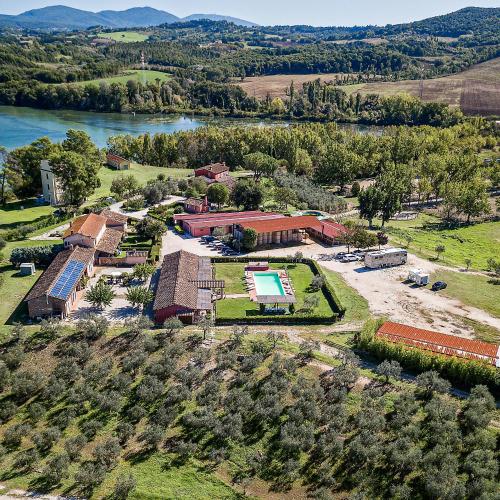

Choose from a range of options:
- Budget-friendly: Guesthouses near the main square.
- Mid-range ($$): Boutique hotels with historic charm.
- Upscale ($$$): Luxury inns overlooking the Nera River.
Practical Tips for Travelers
- Language: Italian is the official language; many locals speak basic English in tourist areas.
- Currency: Euro (€). ATMs are plentiful in the town center.
- Safety: Narni is generally safe; standard tourist precautions apply.
- Duration: A 2‑day stay lets you see the main sights and enjoy a leisurely meal.

Frequently Asked Questions
What is the best time to visit Narni?
The best months are May‑June and September‑October when the weather is mild, crowds are light, and the countryside is vibrant.
Is Narni safe for tourists?
Yes, Narni is a peaceful town with low crime rates. Standard safety practices, such as keeping valuables secure, are sufficient.
How much does a typical day in Narni cost?
A budget traveler can spend around €50‑70 per day, including meals and entrance fees. Mid‑range travelers might budget €100‑150.
What language do locals speak?
Italian is the primary language, but many people in tourist areas understand and speak basic English.
Conclusion
Narni offers a timeless Italian experience that blends history, cuisine, and natural beauty. Plan your visit for late spring or early autumn, explore its iconic walls and churches, indulge in local flavors, and stay in a charming accommodation that suits your budget. Your 2026 adventure in Narni will be filled with unforgettable moments and authentic memories.
[IMAGE: famous landmark in Narni