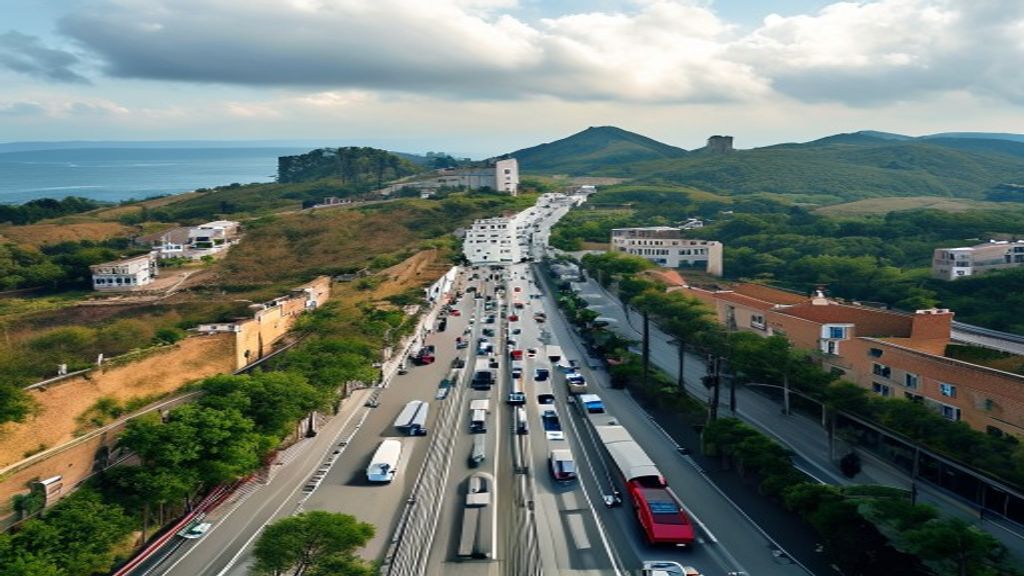
Taranto Travel Guide 2026
Taranto, a jewel on Italy’s heel, offers a blend of ancient history, vibrant culture, and seaside charm. In 2026, visitors can enjoy mild weather, lively festivals, and a relaxed pace that makes this city a must‑visit destination.

Why Taranto is Worth Visiting
Taranto’s unique position between the Adriatic and Ionian Seas gives it a distinct maritime atmosphere. The city’s medieval walls, Roman amphitheatre, and bustling markets create an unforgettable experience for travelers seeking authenticity.
Featured Snippet
Is Taranto worth visiting? Yes – its historic sites, fresh seafood, and relaxed coastal vibe make it a top choice for travelers looking for culture, cuisine, and scenic beauty.
When to Visit Taranto
The best months for a Taranto trip are May to June and September to October. During spring and early autumn, temperatures hover between 20‑25 °C (68‑77 °F), perfect for exploring outdoor sites without the summer crowds. Summer (July‑August) can be hot and busy, while winter (November‑March) is cooler and quieter.
Top Attractions
1. Castello Aragonese
A medieval fortress perched on a rocky promontory, offering panoramic views of the sea. Many visitors enjoy the guided tours that highlight its strategic history.
2. Roman Amphitheatre of Taranto
One of the largest in Italy, this ancient arena is a testament to the city’s Roman past. Walking through its stone arches feels like stepping back in time.
3. Cathedral of San Cataldo
A stunning example of Baroque architecture, the cathedral’s bell tower is a favorite spot for sunset photography.
4. Galleria Nazionale di Taranto
Housed in a former convent, the gallery showcases Renaissance and Baroque art, including works by local artists.
5. Old Town (Centro Storico)
Winding streets, historic palaces, and lively piazzas make the old town a lively area to stroll and shop.

Local Food Categories
Taranto’s cuisine is heavily influenced by its maritime heritage. Here are the must‑try categories:
- Seafood: Fresh fish, octopus, and mussels are staples. Look for a local bakery near the main square for freshly baked focaccia to pair with a glass of local white wine.
- Pasta: Traditional dishes like pasta con le sarde showcase local flavors.
- Desserts: Cremata and pastiera offer sweet endings to meals.
- Street Food: Try panzerotti and arancini from street vendors.
Transportation Overview
Getting There
- By Air: The nearest airport is Brindisi, about 45 km away. From there, taxis or bus services reach Taranto in roughly 45 minutes.
- By Train: Taranto Centrale is a hub on the Adriatic railway line, connecting to Naples, Bari, and Rome.
- By Car: Renting a car provides flexibility to explore surrounding towns like Otranto and Lecce.
Within the City
- Walking: The historic center is compact and best explored on foot.
- Public Bus: Local buses cover major sights and are affordable.
- Bike Rental: Several shops offer bike rentals for a scenic ride along the waterfront.
Where to Stay
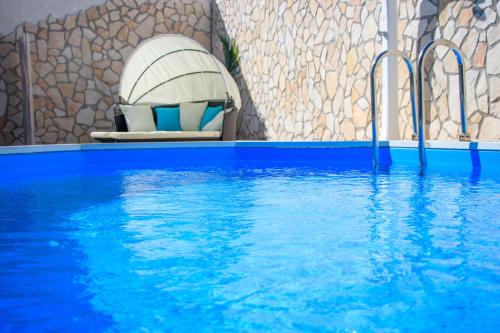
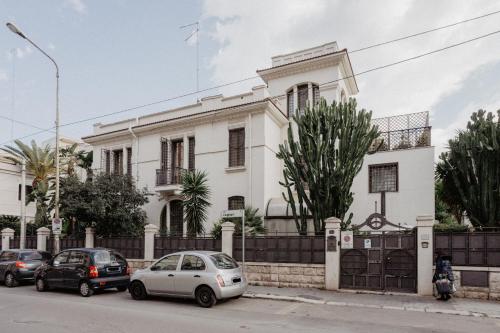
Taranto offers a range of accommodation options to suit every budget. From budget‑friendly hostels to upscale boutique hotels, you’ll find something that fits your style.
🏨 Where to Stay in Taranto
View All Hotels in Taranto
Practical Tips
- Language: Italian is the official language, but many locals speak English in tourist areas.
- Currency: The euro (€) is used. Credit cards are widely accepted.
- Safety: Taranto is generally safe for tourists. Keep an eye on personal belongings in crowded markets.
- Duration: A 3‑day stay allows you to see the main sights and enjoy local cuisine.
Frequently Asked Questions
What is the best time to visit Taranto?
The optimal period is May to June and September to October, when temperatures are mild and tourist crowds are manageable.
Is Taranto safe for tourists?
Yes, Taranto is considered safe. Standard travel precautions apply, especially in crowded areas.
How much does a day in Taranto cost?
Expect budget-friendly options for meals and accommodation, mid-range ($$) for dining out, and upscale ($$$) for boutique stays.
What language is spoken in Taranto?
Italian is the primary language, but English is commonly understood in tourist spots.
Conclusion
Taranto’s blend of history, culture, and seaside charm makes it a standout destination in 2026. Whether you’re wandering ancient ruins, savoring fresh seafood, or simply soaking in the Mediterranean breeze, Taranto promises an enriching travel experience.
[IMAGE: famous landmark in Taranto