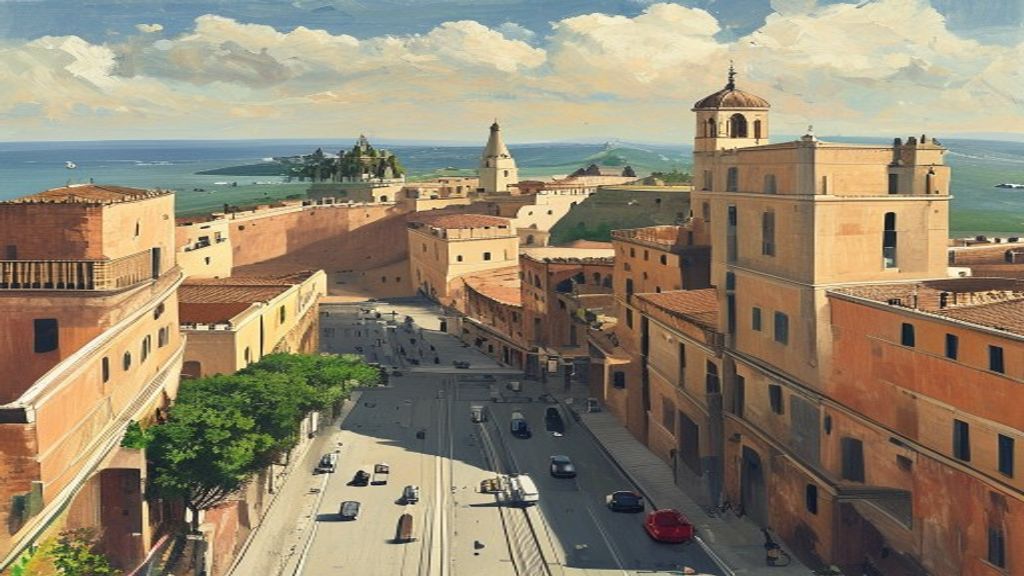
Brilon Travel Guide 2026
Welcome to Brilon, a charming town nestled in the Sauerland region of Germany. Whether you’re a nature lover, history enthusiast, or foodie, Brilon offers a delightful mix of scenic landscapes, cultural heritage, and warm hospitality. In this guide, we’ll walk you through the best time to visit, top attractions, local food categories, transportation options, and accommodation tips to help you craft an unforgettable trip.

Is Brilon worth visiting?
Brilon is a hidden gem that offers picturesque forests, historic sites, and a relaxed atmosphere. Many visitors enjoy the blend of outdoor adventures and cultural experiences, making it a worthwhile destination for a short getaway.
Best Time to Visit Brilon
Brilon’s temperate climate means every season has its charm, but the peak visitor windows are:
- Late spring (May–June): Mild temperatures (15–20°C), blooming wildflowers, and longer daylight.
- Early autumn (September–October): Crisp air, colorful foliage, and fewer crowds.
- Summer (July–August): Warm days (20–25°C), ideal for hiking and lake activities.
Top Well-Known Attractions
1. Brilon Castle Ruins
The ruins of Brilon Castle sit atop a hill, offering panoramic views of the town and surrounding valleys. The site is a popular spot for picnics and sunset photography.
2. St. Peter and Paul Church
This historic church showcases Gothic architecture and houses a beautiful organ. Visitors can attend services or simply admire the stained‑glass windows.
3. Sauerland Nature Park
A vast expanse of forest, wetlands, and hiking trails. The park is perfect for day hikes, bird watching, and cycling.
4. Brilon Museum
The local museum displays artifacts from the region’s industrial past and traditional crafts, providing insight into Brilon’s cultural evolution.
5. Local Markets
Every Saturday, the town square hosts a farmers’ market where you can sample fresh produce, cheeses, and homemade pastries.

Typical Local Food Categories
- Sauerland Sausages: Grilled or smoked, served with sauerkraut and mustard.
- Potato Dumplings: Often paired with meat or mushroom sauces.
- Apfelstrudel: A classic German pastry filled with apples and cinnamon.
- Local Beer: Several micro‑breweries offer craft ales brewed with regional hops.
- Bread & Pastries: Freshly baked rye and wheat breads, perfect for breakfast.
Transportation Overview
Getting There
- By Air: The nearest major airport is Dortmund Airport (approx. 90 km). From there, you can rent a car or take a train.
- By Train: Brilon is served by regional trains from Dortmund, Essen, and Gummersbach. The journey takes about 1.5 hours.
- By Car: The A46 autobahn connects Brilon to major cities. Parking is available in the town center.
Local Transport
- Buses: Local bus routes link the town center with surrounding villages.
- Bicycle Rentals: Several shops offer daily bike rentals for exploring the countryside.
- Walking: The town center is compact and pedestrian‑friendly.
Where to Stay
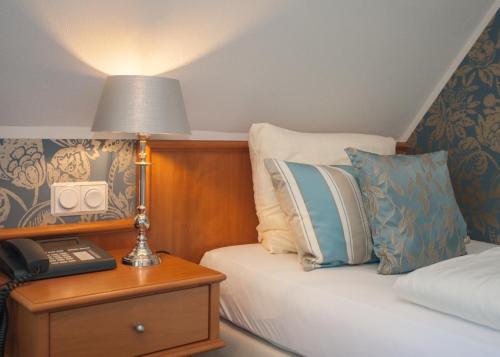

Accommodation ranges from budget‑friendly hostels to upscale boutique hotels. Many options offer easy access to the town’s attractions and public transport.
Planning Your Itinerary
A typical 3‑day itinerary:
- Day 1: Explore Brilon Castle, St. Peter and Paul Church, and enjoy dinner at a local bakery.
- Day 2: Full day in Sauerland Nature Park – hike, picnic, and visit the local market.
- Day 3: Visit the Brilon Museum, stroll through the town square, and sample local beer.
Frequently Asked Questions
What is the best time to visit Brilon?
The best times are late spring (May–June) and early autumn (September–October) when the weather is mild, and the scenery is at its most vibrant.
Is Brilon safe for tourists?
Yes, Brilon is a safe destination with low crime rates. Standard travel precautions apply, and the local police are friendly and helpful.
How much does a typical day in Brilon cost?
Expect budget-friendly options for meals and accommodation. Mid‑range restaurants cost around $$, while upscale dining is $$$.
What language is spoken in Brilon?
German is the official language, but many locals speak English, especially in tourist areas.
[IMAGE: famous landmark in Brilon