PHPANA.PH Team · Philippines travel teamPublished June 4, 2026 · 4 min read
Is Mindanao Safe to Travel? A Traveler's Honest Guide
Let's start with the question you actually came here to answer: Is Mindanao safe? The answer is yes, for the vast majority of Mindanao that travelers visit, and with the same basic common sense you would apply to any unfamiliar destination. The longer, more useful answer is what follows.
Mindanao's reputation for danger is real, persistent, outdated for most of the island, and catastrophically bad for tourism. The conflict history is real. But that history has shaped the global perception of an island the size of Ireland, most of which is now as safe as any rural Philippine province. Travelers who ask whether Mindanao is safe are usually asking about the wrong Mindanao. They are worried about a conflict zone while planning to visit Davao, Camiguin, or Cagayan de Oro, cities and destinations as safe as Cebu or Iloilo, served by international airports, and visited by hundreds of thousands of tourists each year without incident.
Understanding Mindanao's Geography of Safety
Mindanao is the second-largest island in the Philippines, 102,000 square kilometers divided into 27 provinces across 6 administrative regions. The security situation varies dramatically across this territory, and the areas of concern are geographically distinct from the areas most travelers visit.
🎫Book Philippines tours & activities
Island hopping, whale shark watching, canyoneering and more. Best prices on GetYourGuide & Klook.
Safe for Tourists (Highly Recommended)
- Davao City and region: Consistently one of the Philippines' safest cities. Strict local ordinances, visible security presence, excellent infrastructure. Home to the Philippine Eagle Center, Samal Island, Eden Nature Park, and Mount Apo
- Cagayan de Oro: The gateway to Mindanao for northern arrivals. Safe, modern, friendly city with white water rafting and the Bukidnon highlands nearby
- Camiguin Island: Remote, small, tight-knit island community. Extremely safe and genuinely welcoming
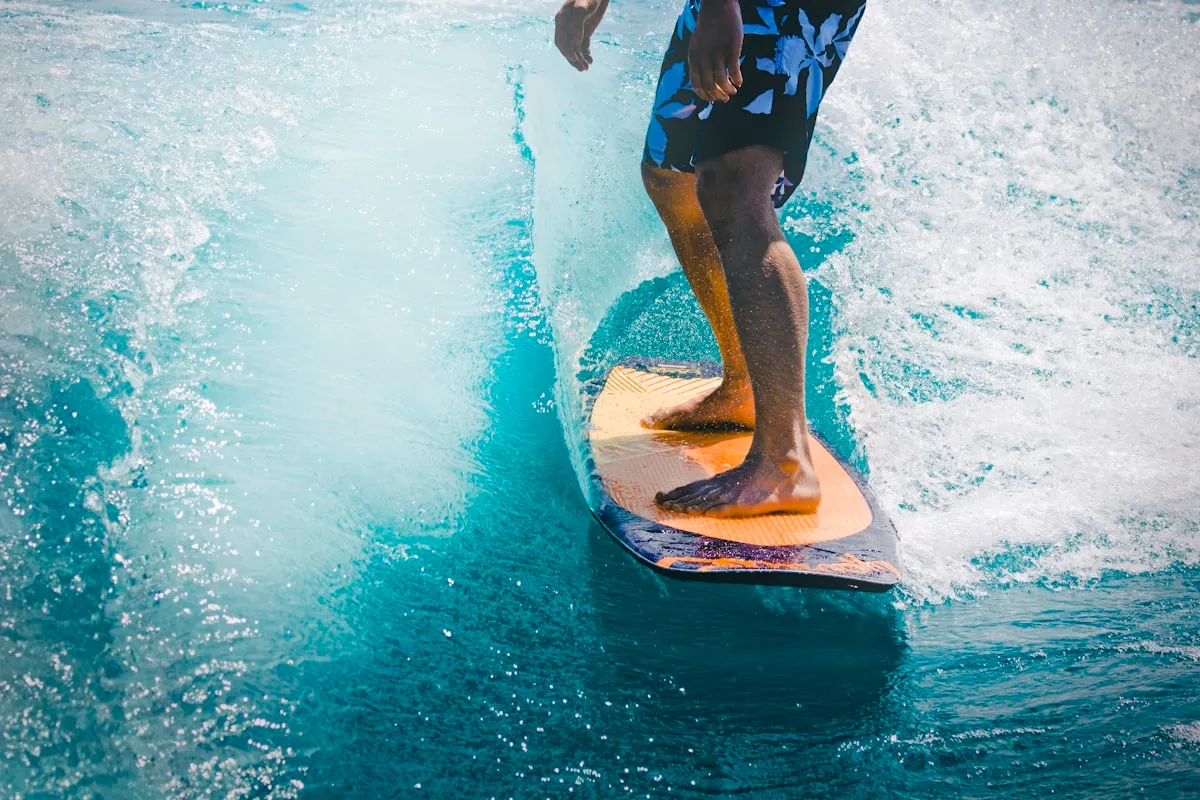
- Surigao del Norte (including Siargao Island): Well-developed surf tourism, safe, popular with international visitors
- Surigao del Sur: Home to the Enchanted River and Tinuy-an Falls. Rural and remote but safe and hospitable
- General Santos City: Tuna capital of the Philippines. Safe and commercially active
Avoid for Tourism
- Lanao del Sur and Maguindanao: These provinces in the Bangsamoro Autonomous Region have ongoing security concerns. The Department of Tourism advises against non-essential travel
- Specific border areas: The tri-border zone between Mindanao, Sulu, and Tawi-Tawi is an area of active concern and should be avoided
What the Foreign Office Advisories Actually Say
Major Western government travel advisories maintain blanket warnings for Mindanao that are frustratingly broad. The practical implication: these advisories may affect your travel insurance. Check your policy carefully. Many insurers cover Davao and Camiguin without issue if you can demonstrate that the specific destination is not under a specific advisory. The advisories exist for legitimate reasons related to the western and interior regions. They do not accurately reflect the safety situation in Davao, CDO, Camiguin, or Siargao. Use them as context, not as destination guidance.
Davao: A Case Study in Mindanao Safety
Davao City is the best argument against Mindanao's reputation. The city of 1.8 million is regularly ranked as one of the safest cities in Southeast Asia by the Numbeo Crime Index, safer than many large cities in Europe or the United States on key metrics. The reasons are multiple: strict enforcement of public order ordinances, an active barangay watch system, visible CCTV coverage, and a community culture that is genuinely proud of its safety record. Visitors report feeling more relaxed walking Davao streets at night than they do in Manila.
Common Sense Travel Practices
- Register with your embassy if traveling for more than a week
- Share your itinerary with someone at home
- Use licensed transport: Grab, airport-dispatched taxis, and hotel-arranged vehicles are consistently more reliable
- Follow local advice: Your guesthouse owner, tour guide, and Grab driver all know their area better than any travel advisory. Ask them directly what is going on
- Monitor DFA and local news during your trip
The Cultural Reality of Mindanao
One thing that consistently surprises first-time visitors to Mindanao is the hospitality. Mindanaoans are aware of their island's reputation and are, as a result, often more deliberately welcoming to foreign visitors. In Davao, Camiguin, and CDO, it is common to be invited to share a meal by strangers who learn you are visiting for the first time. There is a genuine pride in showing visitors a different Mindanao from the one they came expecting.
Our Recommendation
Go to Mindanao. Go specifically to Davao, Camiguin, and Cagayan de Oro. These are among the Philippines' most rewarding destinations and are receiving a fraction of the visitors they deserve because of perceptions that reflect a reality that is true for parts of the island and not for the parts you will visit. Check your travel insurance. Monitor advisories. Follow local advice. Then board your flight to DVO or CGA and let the island speak for itself.
The Mindanao that the headlines talk about is not the Mindanao that you will visit. The one you will visit has Philippine Eagles, volcanic islands, the cleanest city in the Philippines, the best white water rafting in the country, and some of the warmest people you will meet anywhere in Southeast Asia. That Mindanao is waiting. It is safe. Come find it.
Plan your Philippines trip with PANA.PH
Compare hotels and local stays across all 7,641 islands.