PHPANA.PH Team · Philippines travel teamPublished June 4, 2026 · 4 min read
Best Time to Visit El Nido: Month-by-Month Weather Guide
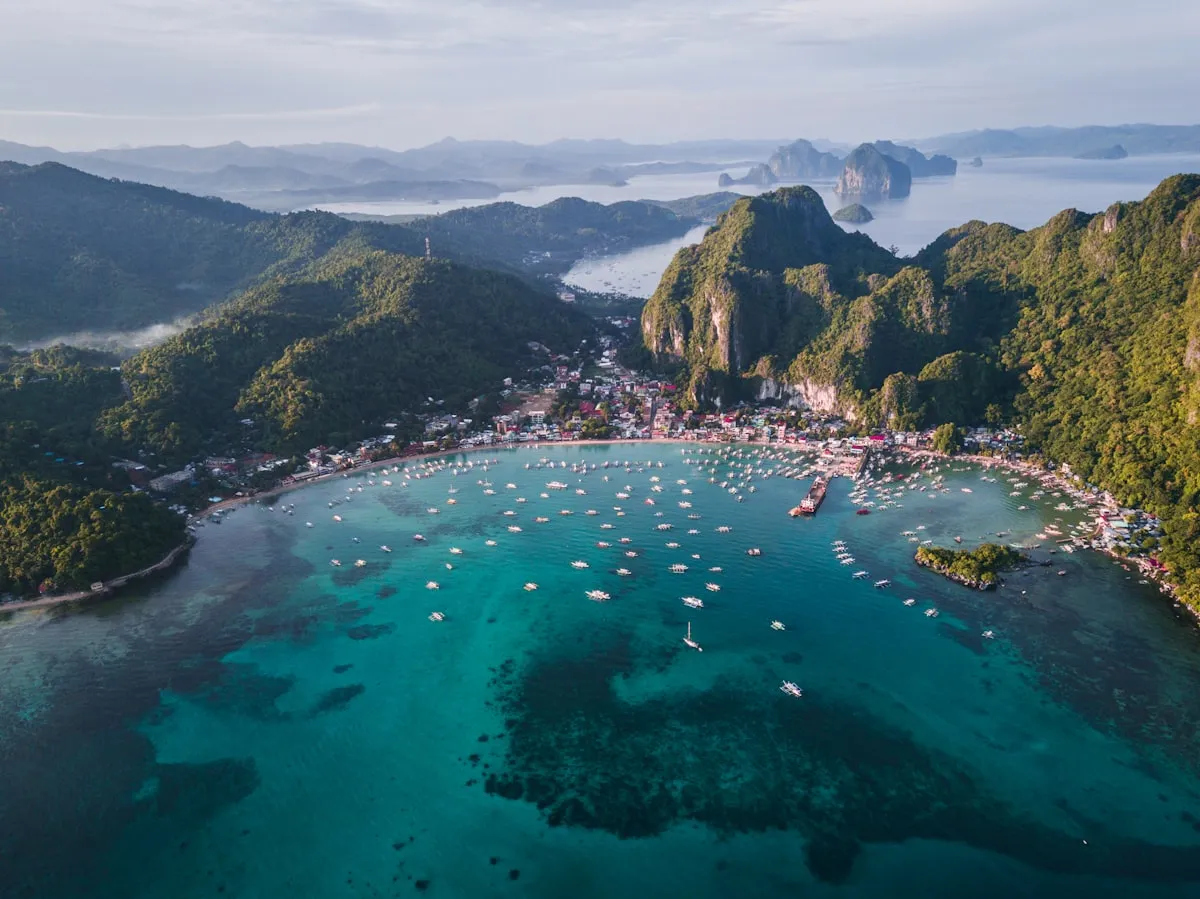
El Nido is beautiful in almost every month of the year, but the weather in Palawan follows a distinct seasonal pattern that makes a significant difference to your experience. The difference between a February visit (clear skies, flat sea, lagoon visibility like glass) and a September visit (overcast, choppy, some tours cancelled) is not subtle. This guide breaks down what to expect month by month, when to go for the best weather, when to go for the fewest crowds, and when to avoid entirely.
El Nido Weather: The Basics
El Nido experiences a clear dry season from November to May and a wet season from June to October. The dry season brings northeast monsoon conditions — generally clear skies, calmer seas, and reduced humidity. The wet season brings the southwest monsoon with regular rainfall, rougher seas, and typhoon risk. Temperatures are warm year-round (24-32°C). The water temperature stays between 27-30°C regardless of season.
Month-by-Month Guide
November: The Start of Peak Season
November marks the beginning of the dry season. Weather is improving rapidly and seas calm significantly. Accommodation prices rise from their wet-season lows. A good month to visit if you can be flexible; the weather is usually fine by mid-November.
Book Philippines tours & activities
Island hopping, whale shark watching, canyoneering and more. Best prices on GetYourGuide & Klook.
December: Busy, Beautiful, Expensive
December is peak season. The weather is excellent — clear, sunny, and calm. The trade-off is that El Nido fills with tourists, accommodation prices peak, and all four island-hopping tours need to be booked at least 2-3 days in advance. The Christmas and New Year period (December 23 - January 3) sees maximum occupancy and maximum prices. Book everything at least 4-6 weeks in advance.
January: Still Peak, Slightly Less Crowded
January sees the post-holiday dip in crowds while maintaining excellent weather. This is one of the best months to visit El Nido: skies are reliably clear, the sea is calm, and visitor numbers have dropped slightly from the December peak.
February: Arguably the Best Month
February is widely considered the ideal month for El Nido. Weather is consistently excellent — the driest and clearest month of the year. Crowds are moderate rather than extreme. Lagoon visibility is at its annual best: 15-25 meters in some spots. If you have flexibility, aim for early to mid-February.
March: Excellent Weather, Building Crowds
March continues the excellent weather and sees growing visitor numbers as holiday season approaches. The sea is typically flat calm in March, making it one of the best months for snorkeling and kayaking. Book accommodation and tours 3-4 weeks in advance.
April: Hot and Prone to Holy Week Chaos
April is the hottest month (temperatures reaching 35°C). Weather is still excellent but Holy Week sees El Nido at absolute maximum capacity — Filipino domestic tourism peaks during this period and accommodation sells out entirely. If your trip falls during Holy Week, book 2-3 months in advance.
May: Shoulder Season Beginning
May is the transition month. Early May still offers good weather, but the southwest monsoon typically begins by mid-to-late May. Accommodation prices drop significantly and crowds thin out. Go in the first two weeks of May for the best balance of price and weather.
June Through August: Wet Season
June through August is wet season. Rain becomes regular, seas choppier, and typhoon risk increases through July and August. Island-hopping tours still operate on most days, but rough-sea cancellations do occur. The upside: accommodation prices are at their lowest (sometimes 40-50% below peak season rates) and El Nido is peaceful without dry-season crowds.
September and October: Avoid if Possible
September and October are the highest-risk months for typhoons in northern Palawan. Tour operators frequently suspend operations during typhoon warnings. The seas are rough and the visibility in the lagoons decreases significantly. Unless you have no other option, avoid September and October.
Crowd Calendar Summary
- Maximum crowds: December 23 - January 3, Holy Week (April)
- Peak season crowds: December, January, February, March, April
- Moderate crowds: November, May
- Low crowds: June, July (rain risk)
- Very low crowds: August, September, October (typhoon risk)
Final Recommendation
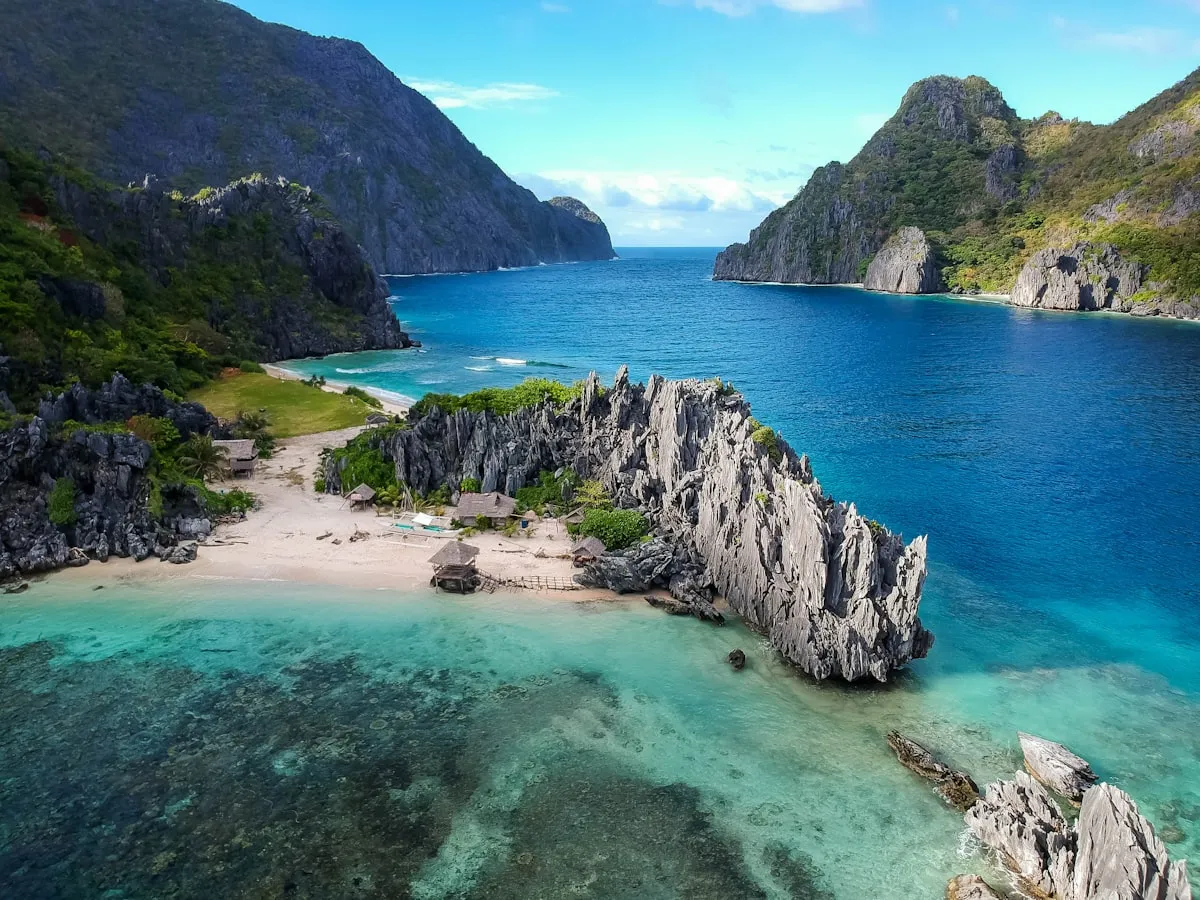
For most travelers, January, February, or March offer the ideal combination of excellent weather, good visibility, and manageable crowds. February is the consensus pick among experienced Palawan visitors. Book your island-hopping tours on PANA.PH — Tour A, Tour B, Tour C, and Tour D are all best experienced when the sea is flat, the sky is blue, and the water in the lagoons glows that impossible shade of turquoise. Plan accordingly.
Plan your Philippines trip with PANA.PH
Compare hotels and local stays across all 7,641 islands.