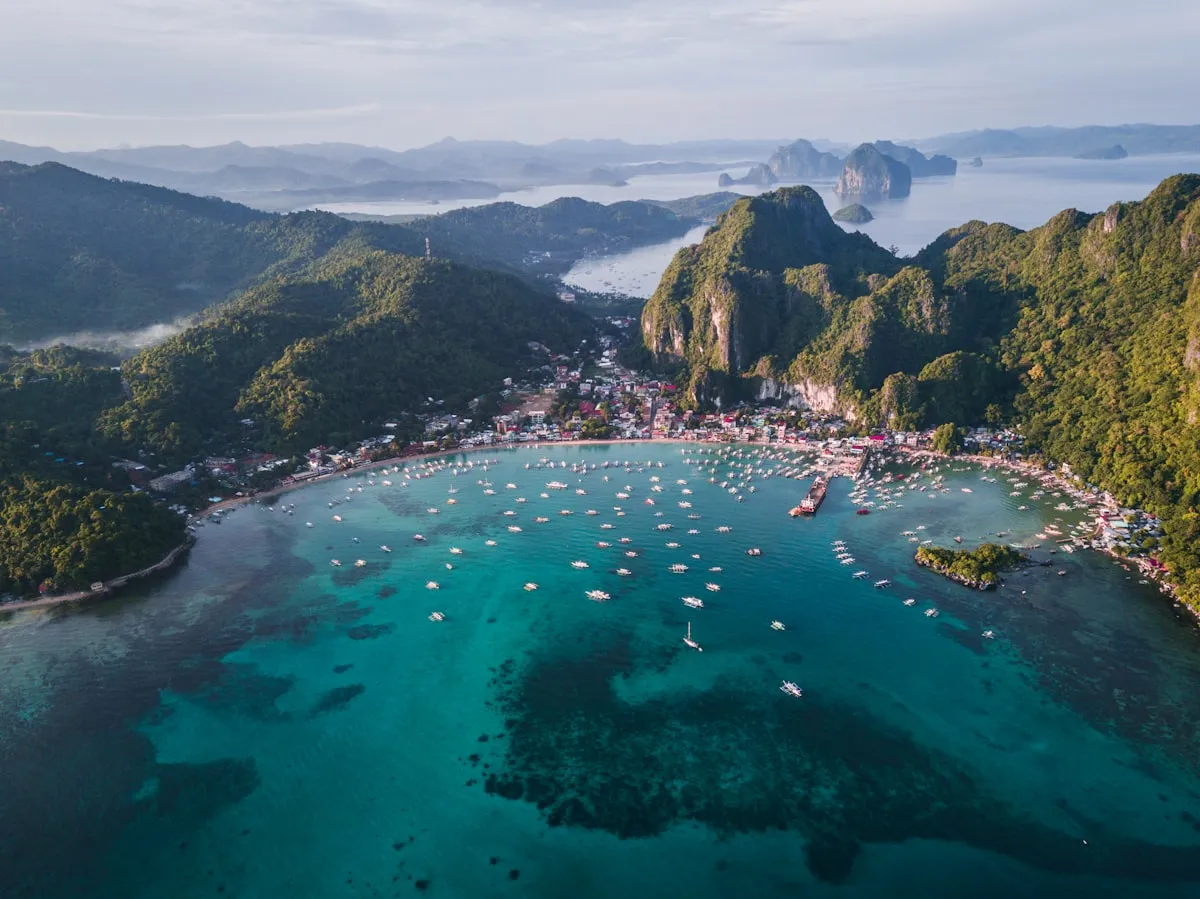
Apo Island: The Philippines Greatest Marine Conservation Success Story
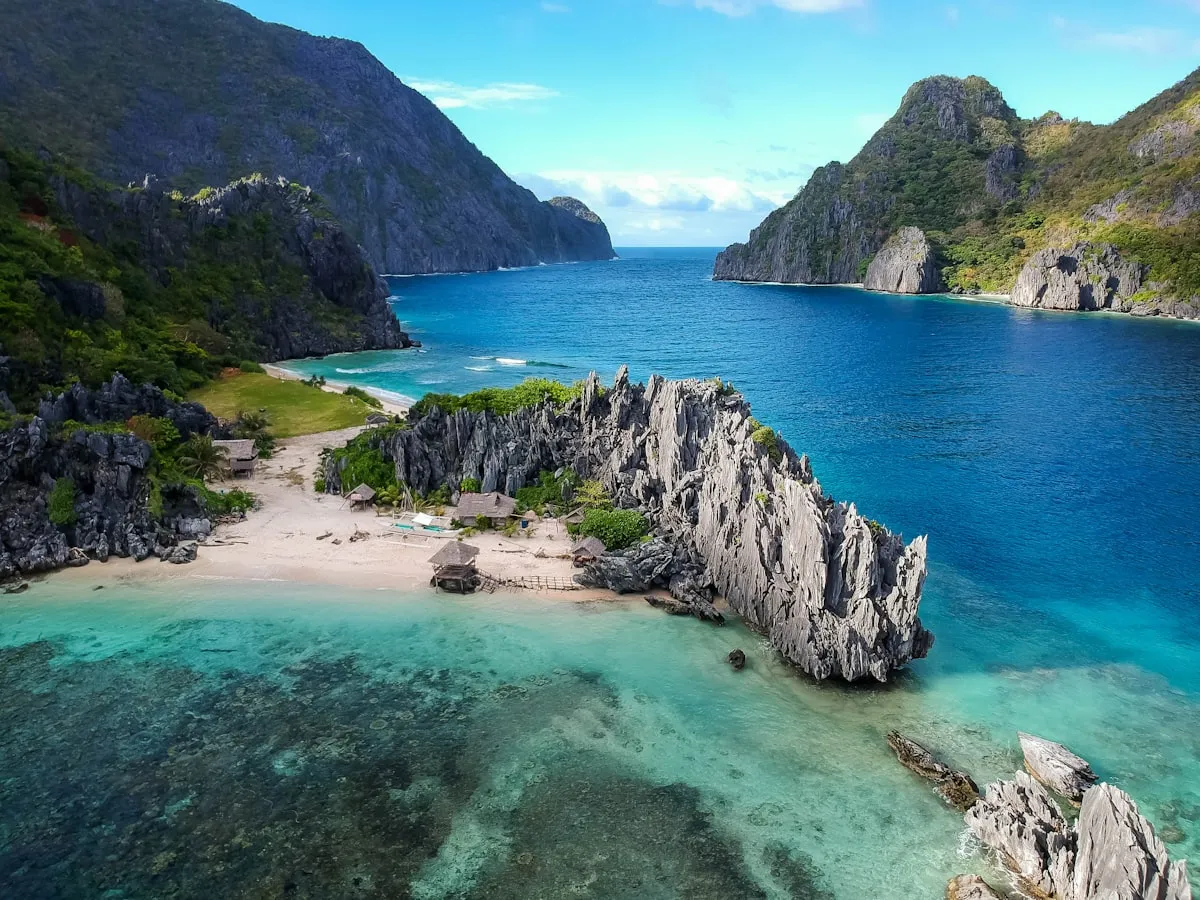
In the 1970s, the reef surrounding Apo Island near Dumaguete was badly degraded from decades of dynamite fishing, cyanide fishing, and overexploitation. Then in 1982, the island community - with help from marine biologist Dr. Angel Alcala - created a no-take marine sanctuary covering roughly 25 percent of the surrounding reef and enforced it themselves. The result, four decades later, is one of the most abundant, biodiverse, and breathtakingly beautiful coral reefs anywhere in Asia.
What Makes Apo Island So Special
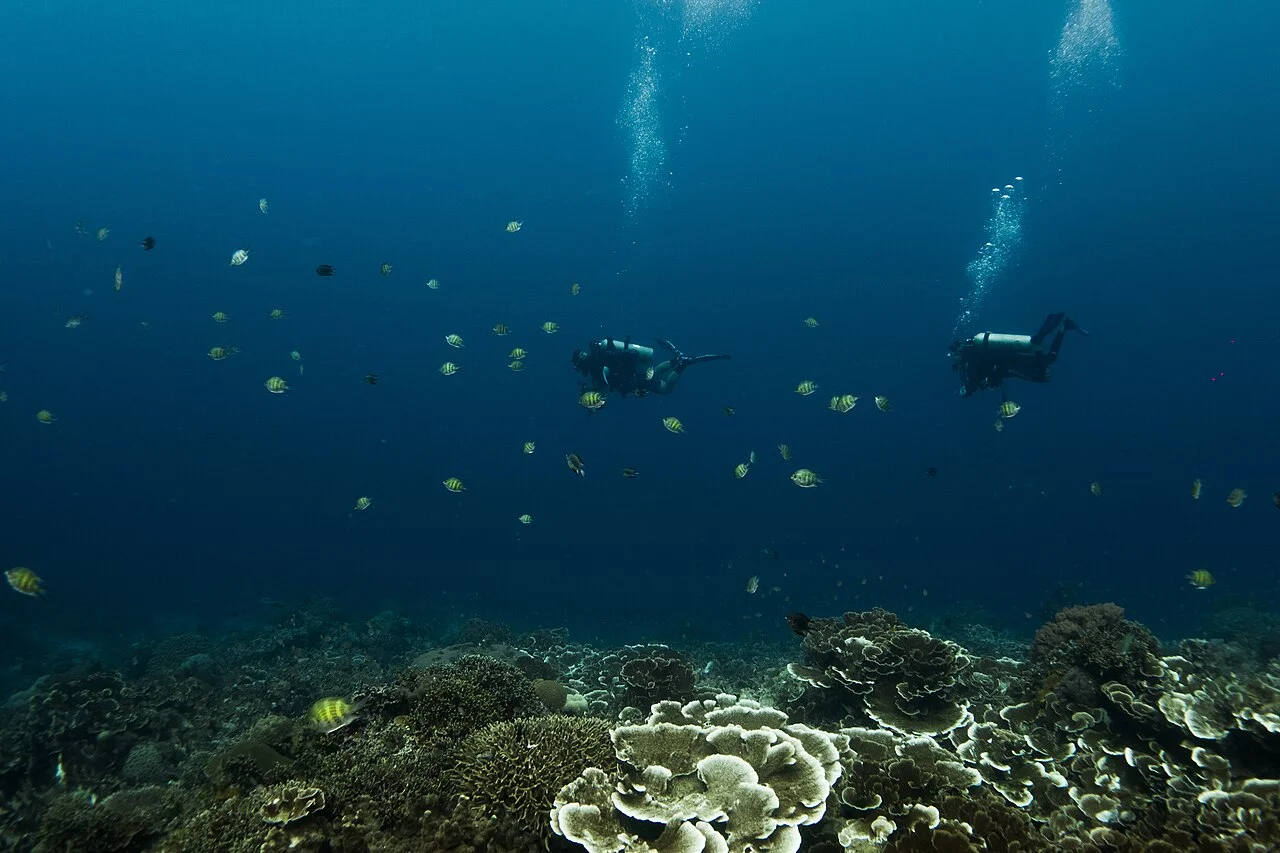
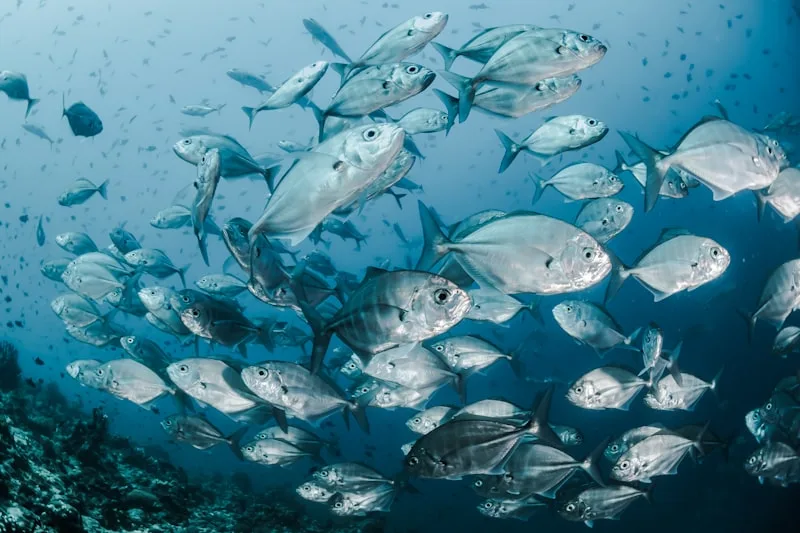
Apo Island Marine Reserve is living proof of what happens when reef ecosystems are allowed to recover and protected by community-led enforcement. The fish biomass within the sanctuary is estimated to be 10-15 times higher than in unprotected Philippine reefs. Giant trevally, barracuda, and Napoleon wrasse that were hunted to near-local-extinction elsewhere are common sights. Sea turtles - both green and hawksbill species - are so abundant that encountering them on virtually every dive or snorkel is routine rather than exceptional.
Getting to Apo Island
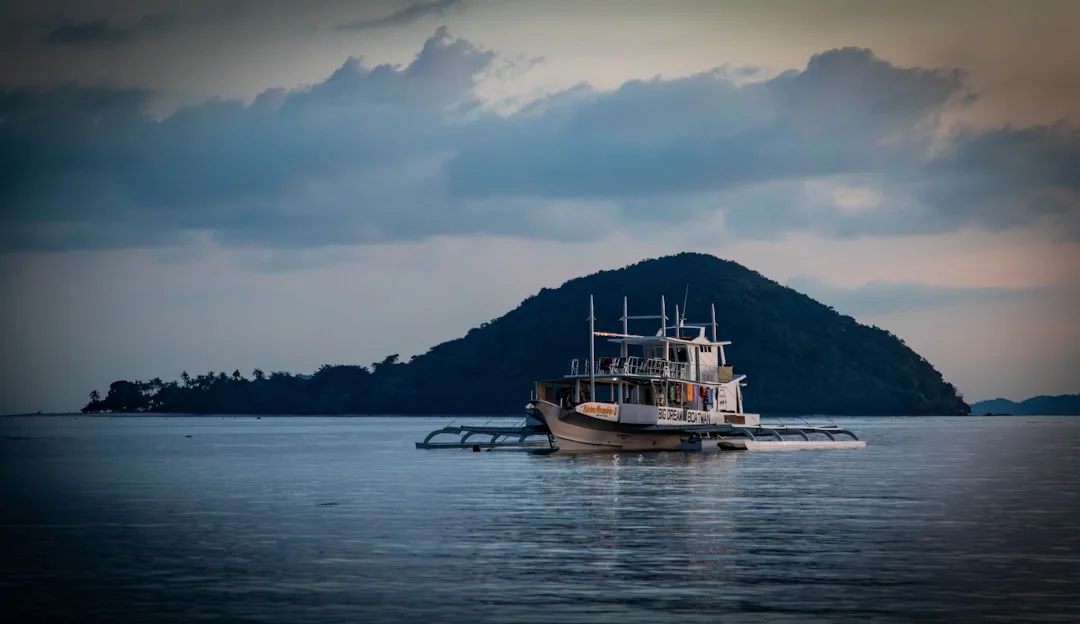
Apo Island is accessed from Malatapay, a small port approximately 30 kilometers south of Dumaguete City. From Dumaguete, take a southbound bus or van to Malatapay (approximately 45 minutes). From Malatapay, pump boats to Apo Island take about 30 minutes and cost P1,000-1,500 for the boat (shareable among multiple passengers). Dumaguete has domestic flights from Manila and Cebu.