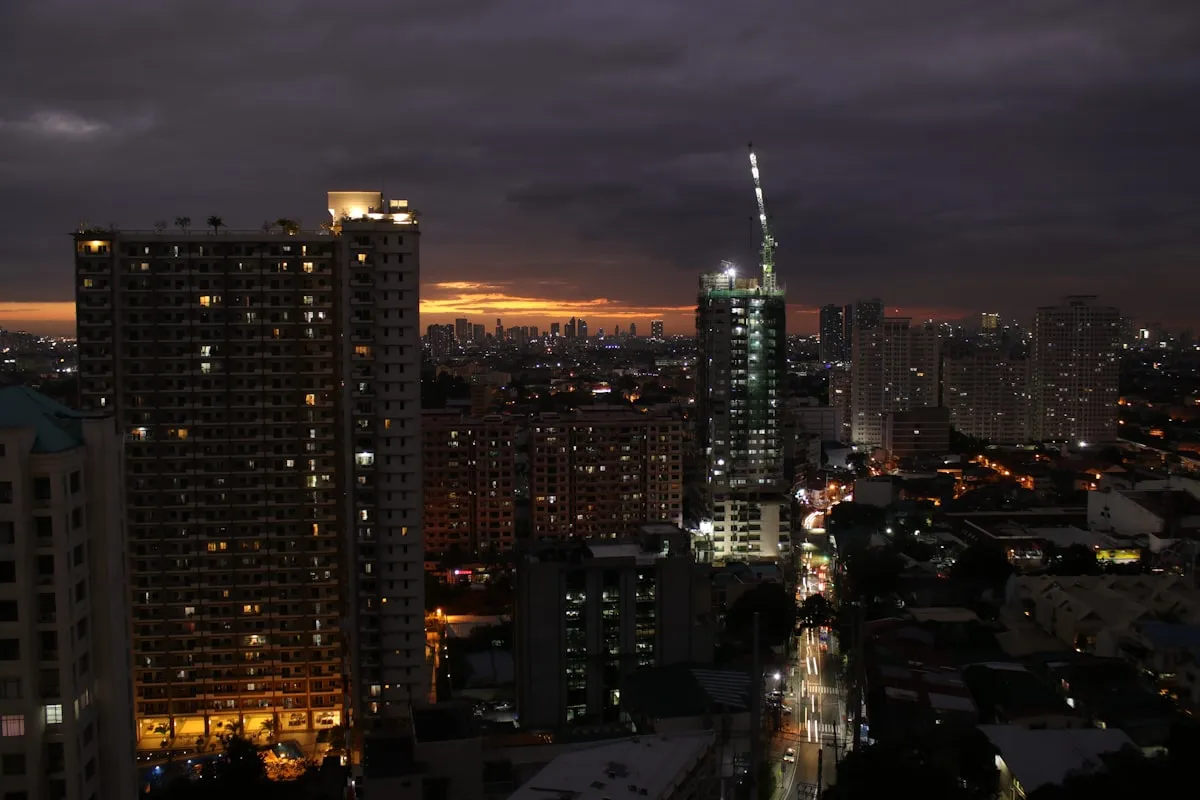
Venezuela is vast and varied, and Maracaibo is one of those places that reminds you why you travel in the first place. I've spent time in Maracaibo and what surprised me most wasn't any single attraction — it was how the place felt: unhurried, genuine, and genuinely curious about why you'd made the effort to come.
Here's what you actually need to know to have a good time there.
First impressions: what Maracaibo is actually like
Arriving in Maracaibo the first time, you'll notice a few things immediately. The city center isn't trying to impress you — it's just going about its day. That's the best sign. Markets are loud and colorful in the morning, the coffee is strong, and the locals have that particular confidence of people who live somewhere worth living.
The main square (or equivalent gathering point) is where everything revolves. Give yourself an hour there at peak time — late afternoon, usually — just watching.
The city center and where to spend your time
The best approach to any new city is a long morning walk with no particular destination. In Maracaibo, start from the central market area and just follow your nose. You'll find the good coffee shops and breakfast spots this way — they're rarely on Google Maps, always have handwritten signs, and usually have a few locals reading the paper inside.
The historic quarter (however modest) is worth an hour. Look for the oldest building in town — in Venezuela, these often tell you more about the place's past than any museum would. The oldest structures here are worth finding, even if they're not labeled on any tourist map.
Local markets: when to go and what to look for
Get there early. Markets everywhere are at their best in the first two hours of the morning — the produce is freshest, the vendors are in a good mood, and you can actually move around. By midday, it's often packed and picked over.
In Maracaibo, the market is genuinely used by locals — not just for tourist photos, but for actual daily shopping. That's the marker of a good one. Look for: the breakfast section (usually towards the entrance, with hot food stalls), the fresh produce section (in the middle), and the craft or textile section (towards the back, often the most interesting for visitors).
Prices are often fixed in this market, but it doesn't hurt to ask for a small discount if you're buying multiple things.
Where to eat: street food and local restaurants
The honest rule for finding good food in any unfamiliar city: look for where people are eating, not where people are being sold to. In Maracaibo, the best eating is almost always on foot — stalls, small family restaurants with plastic chairs, and the kind of place with no English menu.
Ask at your guesthouse where the cooks eat after their shift. That's your restaurant.
Prices are reasonable by any international standard. A comfortable budget day runs $25–50 depending on how you travel.
Hidden gems worth finding
Every city has them — the things that don't appear in guidebooks because they're too small, too local, or too new to have built up a reputation. In Maracaibo, the hidden gems tend to be:
- A viewpoint the locals know: usually a ten-minute walk from the center, almost never signposted. Ask someone.
- A family-run restaurant with no sign: the kind where someone's grandmother is cooking and you point at what the table next to you is having.
- A neighborhood that tourists skip: usually just outside the "recommended" walking area, but often more interesting.
- A local festival or weekly event: check what's happening the week you visit. Small towns often have market days, celebrations or cultural events that aren't in any app.
Getting around Maracaibo
Walking is almost always the best option for the city center. For anything further, ask what the locals use — it's usually a local bus, shared taxi, or motorbike hire.
For the city center itself: walk. The distances are almost always shorter than they look on a map, and the walk is where you'll discover things you weren't looking for.
When to visit Maracaibo
The shoulder seasons are usually the sweet spot: fewer crowds, reasonable prices, and decent weather without the extremes of peak and off-peak.
Avoid major local holidays unless you specifically want to experience them — accommodation prices spike and some businesses close. Check the local calendar before you book.
Where to stay
The best-value accommodation is almost always in locally-owned guesthouses a short walk from the center — not on the main tourist street, but one or two streets back. You pay less, get more space, and usually a better breakfast. Book direct if possible, or use a platform that lets the host keep more of the revenue.
Location matters more than facilities in a place like Maracaibo. A basic room in the right neighborhood beats a nice hotel on the wrong street.
Practical tips before you go
- Carry local currency in small bills — markets and street food are cash-only
- Even a basic attempt at the local language is appreciated — download the offline translation app before you arrive.
- A light jacket for evenings and air-conditioned spaces, even in hot climates.
- A small padlock for your bag — not because Maracaibo is dangerous, but because it's a good travel habit anywhere
- Download offline maps before you arrive — data may be expensive or patchy
Is Maracaibo worth it?
Yes — which is why you're reading this. The places that reward curiosity are the ones that most people fly over on their way somewhere more famous. Maracaibo is one of those. You'll leave with a better story than you'd get from a package holiday, and probably a better trip than people who went somewhere more obvious.
If you've been and have tips to add — leave them in the comments. The best travel writing is collaborative.