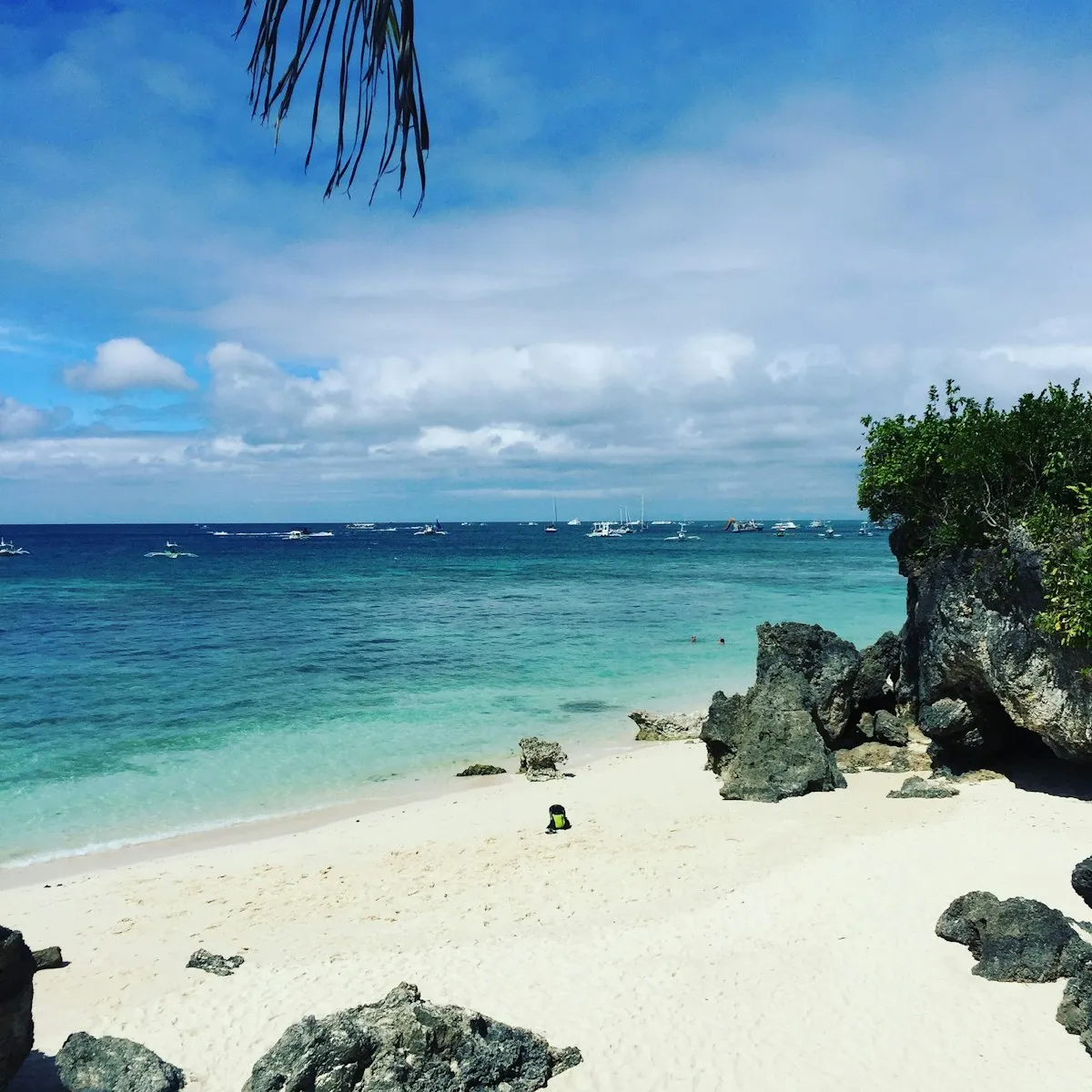
Boracay has a complicated recent history. In April 2018, the Philippine government shut the island down entirely for 6 months — calling it a cesspool — and when it reopened in October of that year, it was genuinely different. The question everyone asks is: is it better? Honestly, mostly yes, with some important caveats.
What actually changed after the closure
The most visible change is the beach itself. White Beach — the 4km stretch of powdery white sand that made Boracay famous — is cleaner than it's been in years. The sewage that used to run directly into the sea has been rerouted. Water quality testing is now regular and public. The famous football field murky zone near the D'Mall area is gone.
What also changed: the nightlife is significantly tamer. The famous Boracay parties that ran until sunrise are mostly gone — the government capped venues at 2am closing times and strictly enforces it. If you came for the party scene, this is a genuine disappointment. If you came for the beach, it's actually an improvement.
Permanent structures built on the beach have been cleared. The vendors who used to swarm you every 30 seconds are fewer and more regulated. The island still has vendors — it's not Maldives-quiet — but it's manageable now.
White Beach: the three stations explained
White Beach is divided into three stations, each with its own character:
- Station 1 (north): Quietest, most expensive, best sand. The premium resorts are here — Shangri-La, Discovery Shores. If budget isn't a constraint, stay here.
- Station 2 (middle): Where everything happens. D'Mall shopping center, most restaurants, most activity. The widest stretch of beach. Best for first-timers who want access to everything.
- Station 3 (south): Budget accommodation, local restaurants, less polished. The Willy's Rock photo spot is here. Best value for money.
Realistic budget breakdown
| Category | Budget | Mid-range | Luxury |
|---|---|---|---|
| Accommodation/night | ₱1,000-2,500 | ₱3,000-8,000 | ₱15,000-50,000+ |
| Food/day | ₱500-800 | ₱1,000-2,000 | ₱3,000+ |
| Activities/day | ₱300-600 | ₱800-2,000 | ₱3,000+ |
| Total/day | ₱1,800-3,900 | ₱4,800-12,000 | ₱21,000+ |
How to get there
Two airports serve Boracay:
- Caticlan (MPH) — 10 minutes to the ferry terminal, then 15 minutes by boat to Boracay. This is the right choice. Daily flights from Manila (₱2,000-4,000), about 1 hour.
- Kalibo (KLO) — 2 hours by van to the ferry terminal. International flights land here (cheap Asian carriers). Worth it only if you're coming internationally and can't get a Caticlan connection.
The ferry from the mainland costs ₱350 each way including terminal fees. Take the first boat of the day if possible — afternoon boats can have long queues in peak season.
Best things to do (honest ranking)
- Sunrise at White Beach Station 1 — free, almost no one there at 5:30am, genuinely spectacular
- Island hopping to Crocodile Island and Bat Cave — ₱1,500-2,000 for a private boat, 4-5 hours, snorkeling included
- Kitesurfing at Bulabog Beach (the windward side) — ₱3,000-5,000 for a lesson, one of Asia's best kitesurfing spots
- Ariel's Point cliff diving day trip — ₱1,700 all-inclusive, boats leave 9am from Station 1, returns 5pm
- Helmet diving — ₱700-1,200, no certification needed, genuinely fun for non-divers
Skip list (things not worth your money)
- The parasailing — overpriced (₱1,500+) for 8 minutes. The view from the beach is the same.
- D'Talipapa market — fine for buying fresh seafood to have grilled next door, but the market experience is very tourist-y now. Worth 30 minutes, not 2 hours.
- Any bar on the beachfront after 10pm — they close at 2am anyway and the prices spike at night. Better to eat dinner at sunset prices and move on.
Where to eat (without spending resort money)
The best food on Boracay isn't on the beach — it's one block back in the maze of roads behind the main path.
- Smoke (Station 2 area): Best ribs on the island. ₱450-600 for a full rack. Cash only.
- Aria: Excellent Italian at mid-range prices. Pasta ₱350-500, pizza ₱450-650.
- The locals' breakfast spots near Station 3: Sinangag (garlic fried rice) + eggs + coffee for ₱150-200. Ask your hotel which one they eat at.
- Talipapa's grilling area: Buy fresh seafood from the market (₱200-400 for a whole fish), pay ₱80-150 for grilling. Best seafood meal you'll have on the island.
When to visit
Best weather: December-May (dry season). Peak crowds: Christmas week, Holy Week (March/April), and summer school holidays (April-May).
Best value: June-August. Yes, it rains sometimes — usually afternoon showers that clear in an hour. The beach is still usable 80% of the day and everything is 20-40% cheaper.
Avoid: Holy Week (Easter). The island becomes genuinely overcrowded. If you must go, book accommodation months ahead and expect to share the beach with tens of thousands of people.
The honest verdict
Boracay is still one of the best beaches in the world. The sand is objectively extraordinary — that particular white-powder texture that doesn't get hot in the sun. The water is genuinely clear again. The sunsets are famous for a reason.
It's not a hidden gem. It's not an escape-from-it-all destination. It's a well-developed beach resort that happens to have world-class natural beauty. Go in knowing that and you'll love it. Go expecting Maldives-level exclusivity and you'll be disappointed.
Five days is the sweet spot. Long enough to do everything worth doing, short enough that you don't run out of things to do or get island fever.