PHEmma Rodriguez · Philippines travel teamUpdated June 4, 2026 · 2 min read
If you're planning UNESCO heritage city guide in Vigan, you're in the right place. This guide covers everything — from booking the right operator to what to bring, what to expect, and how much you'll realistically spend.
Why Vigan for UNESCO heritage city guide
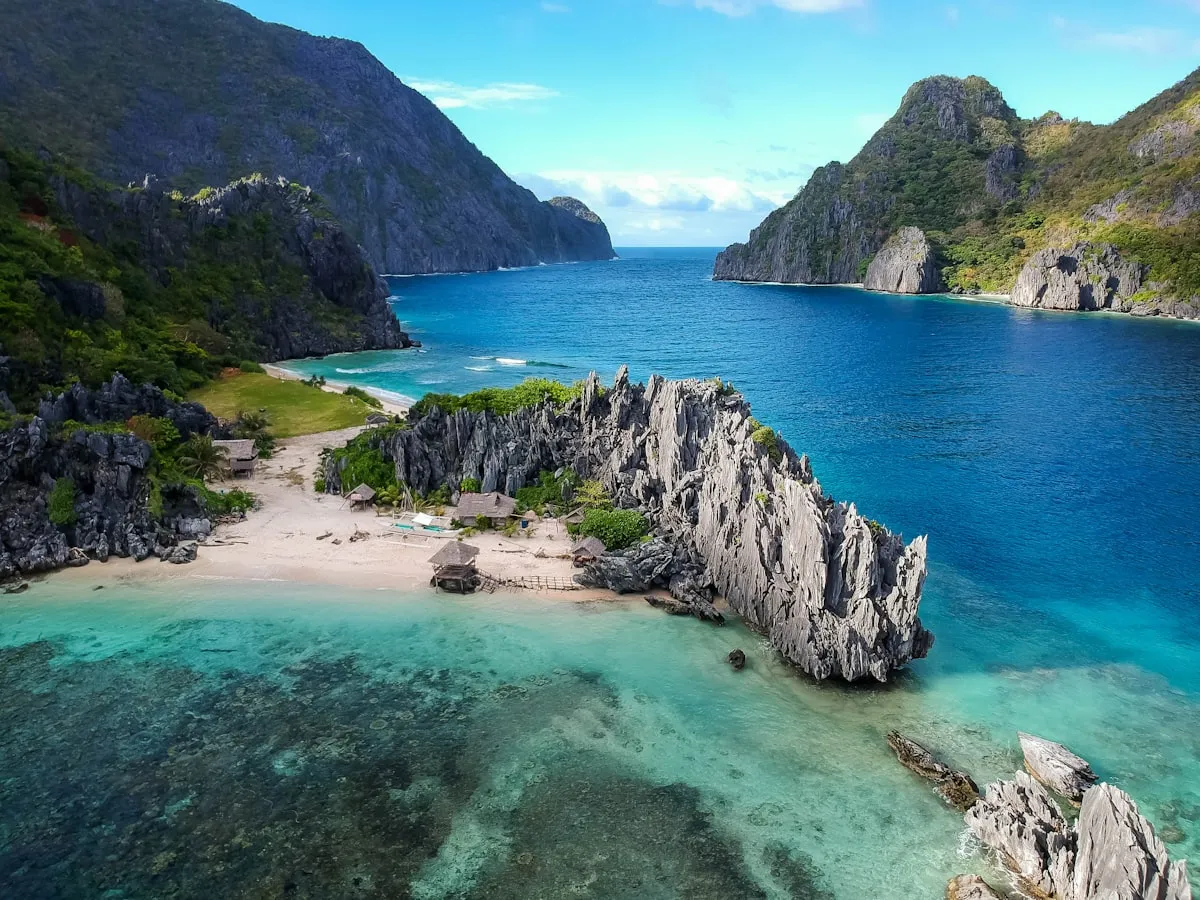
Vigan is one of the Philippines' most iconic destinations, and UNESCO heritage city guide is one of the best experiences it offers. The combination of clear water, dramatic landscapes, and relatively affordable prices makes it stand out against similar experiences elsewhere in Southeast Asia.
Best time to go
The dry season (November to May) offers the clearest water and most reliable conditions for UNESCO heritage city guide. Peak season (December, January, April) means higher prices and more crowds. The sweet spot is February-March — good weather, manageable crowds, slightly lower prices.
Find the cheapest flights to the Philippines
Compare Cebu Pacific, AirAsia, Philippine Airlines and more in one search — prices from ₱3,892.
The rainy season (June-October) isn't necessarily a bad time — rain usually comes in afternoon showers, mornings are often clear, and prices drop 20-40%. Many experienced travelers prefer it.
How to get there
From Manila, you can reach Vigan by domestic flight (1-2 hours depending on destination) or by ferry for coastal destinations. Book flights on Cebu Pacific or AirAsia 3-6 weeks ahead for best prices. From the airport or ferry terminal, tricycles and vans connect to your accommodation.
Cost breakdown
| Item | Budget | Mid-range |
|---|
| UNESCO heritage city guide tour/activity | ₱800-1,500 | ₱2,000-4,000 |
| Accommodation/night | ₱800-1,500 | ₱2,500-6,000 |
| Food/day | ₱400-700 | ₱1,000-2,000 |
| Local transport/day | ₱200-400 | ₱500-1,000 |
Booking your experience
For UNESCO heritage city guide, you have three booking options:
- Book through your hotel — convenient, often with a small markup but they handle all logistics. Good for first-timers.
- Book directly with local operators — cheaper, requires more research. Ask your hotel for trusted recommendations.
- Book online in advance — platforms like Klook offer guaranteed spots and transparent pricing. Worth it during peak season when popular experiences sell out.
What to bring
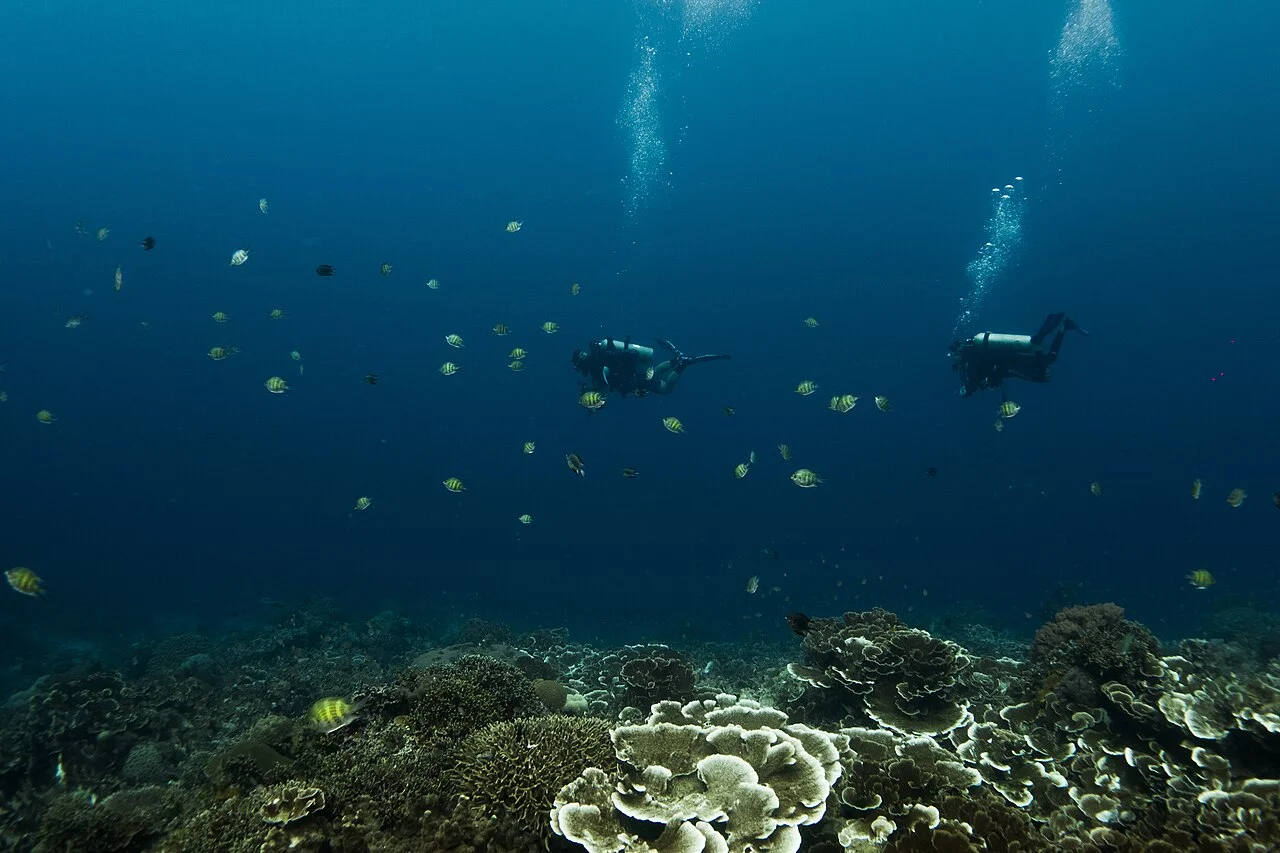
- Reef-safe sunscreen (required at most marine sites)
- Cash in small bills — many local operators don't accept cards
- Change of clothes — most water activities get you fully soaked
- Underwater camera or waterproof phone case
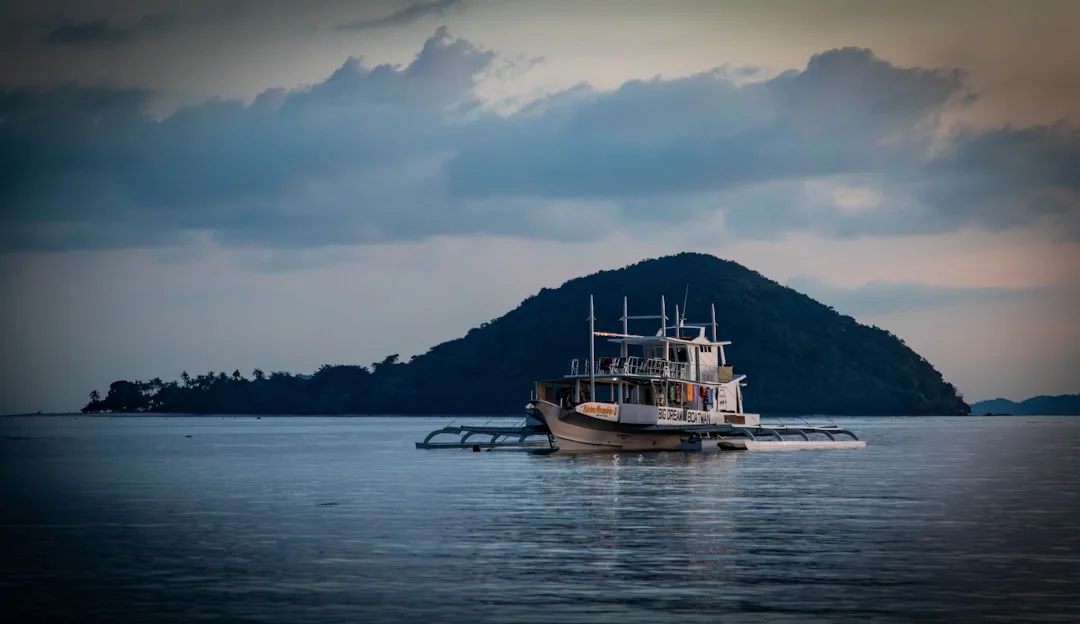
- Motion sickness tablets if you're prone to it on boats
Practical tips
- Book the first tour of the day — you'll beat the crowds at the main spots
- Negotiate respectfully — initial prices are often 10-20% above what locals pay
- Bring more cash than you think you'll need — ATMs aren't always working on smaller islands
- Check weather the evening before — operators will sometimes cancel or reschedule for safety
- Tip your guide — ₱200-300 is standard for a half-day experience
The honest verdict
Vigan's UNESCO heritage city guide is one of those experiences that actually lives up to the photos. The Philippines has a way of making even the most-photographed spots feel genuinely special when you're actually there. Go, do it properly, and you won't regret it.
Plan your Philippines trip with PANA.PH
Compare hotels and local stays across all 7,641 islands.