Welcome to Varamballi
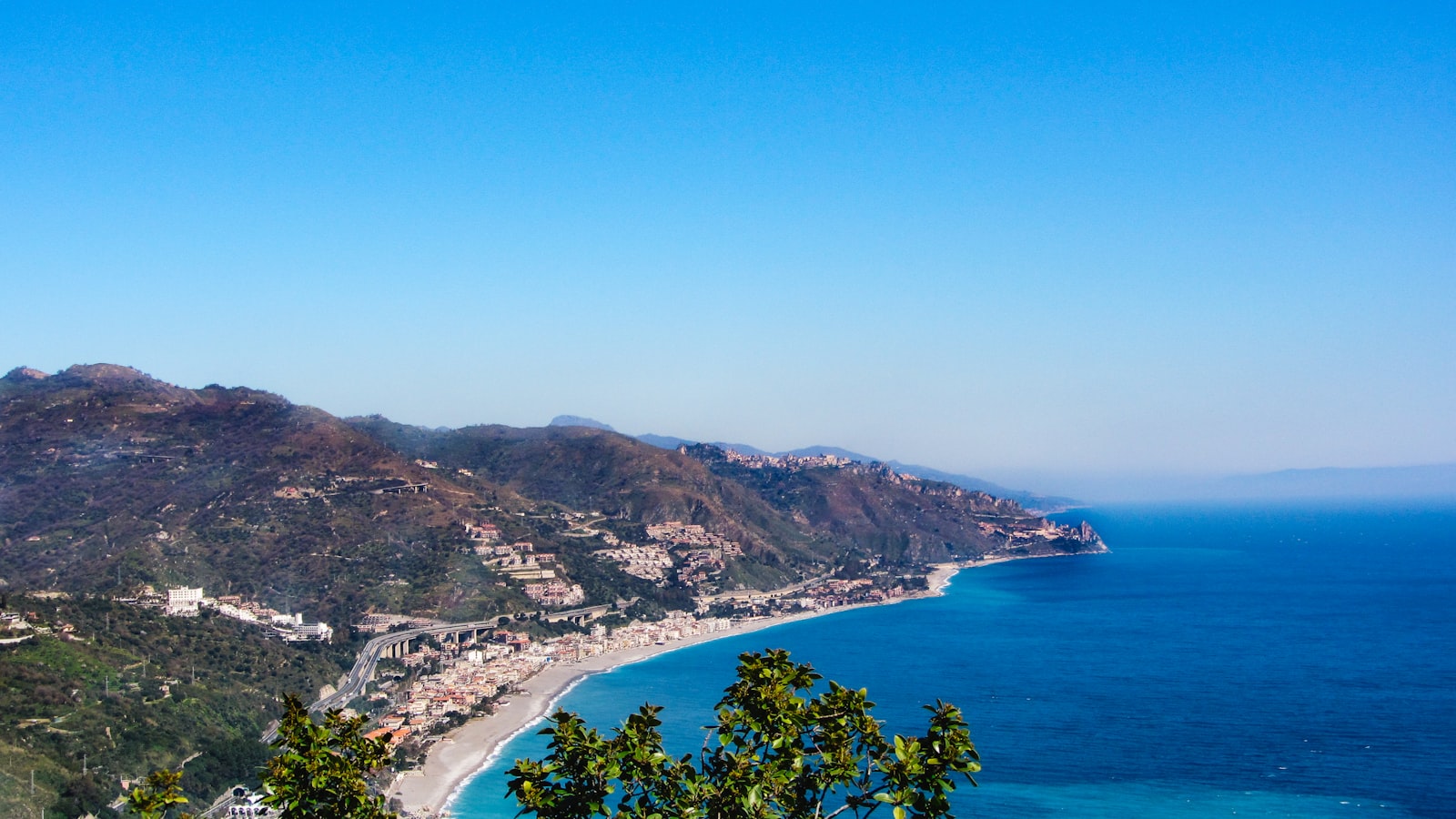
Varamballi, a vibrant city nestled in the heart of the region, offers a blend of historic charm and modern allure. Whether you’re a culture enthusiast, a foodie, or a nature lover, Varamballi’s diverse experiences will captivate you. In 2026, travelers are finding new ways to explore this destination, making it a must‑visit on any itinerary.

Is Varamballi worth visiting?
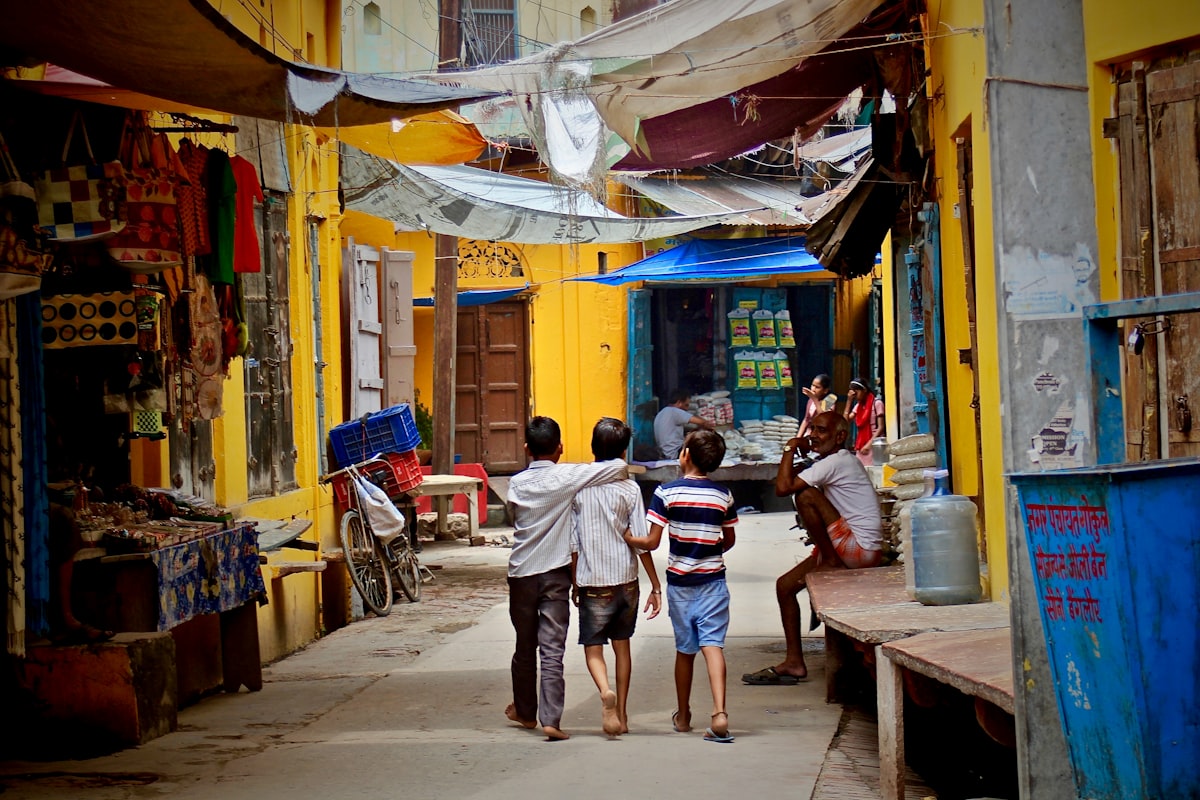
Many visitors enjoy Varamballi for its rich heritage, bustling markets, and welcoming locals. The city’s blend of ancient temples, contemporary art, and scenic landscapes makes it a rewarding destination for travelers of all ages.
Best Time to Visit Varamballi
The climate in Varamballi is tropical with distinct wet and dry seasons. The most pleasant months for sightseeing and outdoor activities are:
- October to March – Mild temperatures (20–28°C), lower humidity, and clear skies.
- April to June – Warm days (28–35°C) but still manageable for indoor attractions.
Top Attractions
Varamballi boasts several iconic sites that showcase its cultural and natural beauty.
1. Varamballi Heritage Museum
A sprawling complex that houses artifacts from the ancient era, the museum offers guided tours that highlight the city’s evolution.
2. The Grand Temple of Laxmi
An architectural marvel, this temple is a pilgrimage center with intricate carvings and daily rituals.
3. Riverside Promenade
Stroll along the riverbank, enjoy street performers, and sample local snacks from food stalls.
4. Hilltop Viewpoint
A short hike rewards you with panoramic views of the city and surrounding hills.

Local Food Categories
Varamballi’s culinary scene reflects its diverse population. Here are the main food categories you’ll encounter:
- Street Food – Chaat, kebabs, and sweet treats.
- Traditional Cuisine – Rice dishes, lentil curries, and regional breads.
- Seafood – Fresh catches served in coastal restaurants.
- Desserts – Ice cream, pastries, and local sweets.
Transportation Overview
Getting around Varamballi is convenient thanks to a mix of public and private options.
Public Transit
- Metro – Covers major districts and connects to the airport.
- Buses – Frequent routes with affordable fares.
- Trams – Scenic rides along historic streets.
Private Options
- Taxis & Ride‑hailing – Widely available; negotiate fares in advance.
- Rental Cars – Ideal for exploring outskirts; parking is available at most hotels.
Where to Stay
Varamballi offers accommodations ranging from budget hostels to luxury resorts. Consider your travel style and budget:
- Budget‑friendly – Hostels and guesthouses with basic amenities.
- Mid‑range ($$) – Boutique hotels and serviced apartments.
- Upscale ($$$) – Luxury hotels with spa services and fine dining.
🏨 Where to Stay in Varamballi
View All Hotels in Varamballi


Practical Tips
- Language – The primary language is Varamballi, but English is widely spoken in tourist areas.
- Currency – The local currency is the Varamballi Rupee (VKR). ATMs are plentiful.
- Safety – The city is generally safe; standard travel precautions apply.
- Connectivity – Free Wi‑Fi is available in most hotels and public spaces.
Frequently Asked Questions
What is the best time to visit Varamballi?
The most comfortable period for travel is between October and March, when temperatures are mild and rainfall is minimal. This window allows you to enjoy outdoor activities and cultural events without weather disruptions.
Is Varamballi safe for tourists?
Varamballi is considered safe for visitors. Petty crime can occur in crowded markets, so keep valuables secure. Follow local advice and stay in well‑lit areas at night.
How much does a typical day cost in Varamballi?
Daily expenses vary by choice of accommodation and dining. A budget traveler can manage on 50–70 VKR per day, while mid‑range travelers spend 150–250 VKR, and luxury travelers may spend 400 VKR or more.
What language should I learn before visiting?
While Varamballi is the official language, many locals speak English, especially in tourist zones. Learning basic greetings in Varamballi can enhance interactions and show respect.