Genga Travel Guide 2026
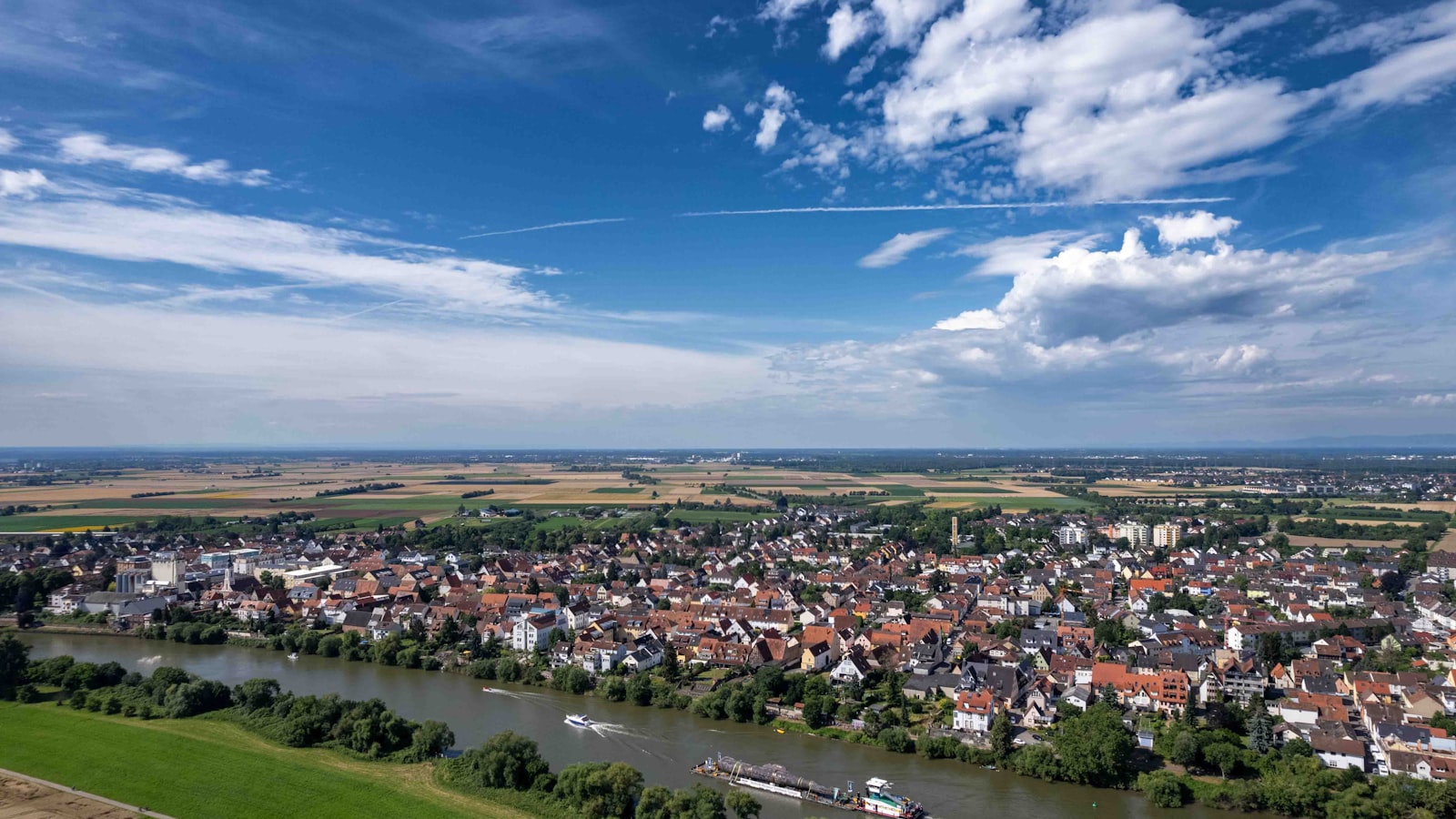
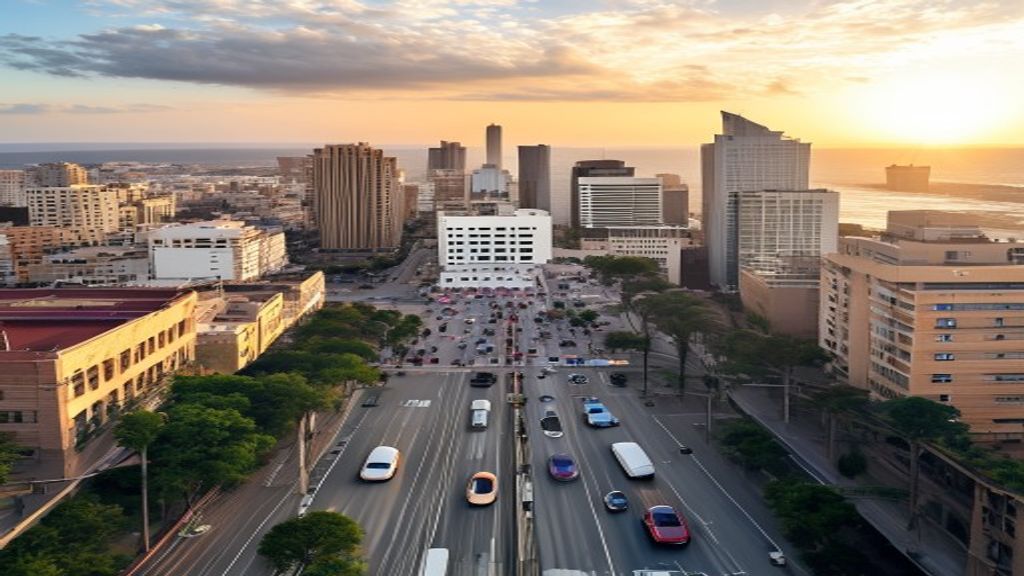
Welcome to Genga, a vibrant destination that blends historic charm with modern comforts. Whether you’re a first‑time visitor or a seasoned traveler, this guide will help you make the most of your trip. From the best months to visit to the must‑see attractions and local flavors, we’ve covered everything you need.

Why Genga is Worth Visiting
Genga offers a unique mix of cultural landmarks, scenic landscapes, and welcoming locals. Many visitors enjoy strolling through its cobblestone streets, sampling regional dishes, and exploring historic sites that date back centuries. The city’s relaxed pace makes it an ideal escape from the bustle of larger cities.
Best Time to Visit Genga
The climate in Genga is mild, with warm summers and cool winters. For the most pleasant experience, consider these periods:
- Spring (March to May) – Flowers bloom, temperatures hover around 18‑24°C, and crowds are moderate.
- Fall (September to November) – Crisp air, vibrant foliage, and harvest festivals.
- Summer (June to August) – Warmest months, perfect for beachside walks, though it can be slightly humid.
Top Well‑Known Attractions
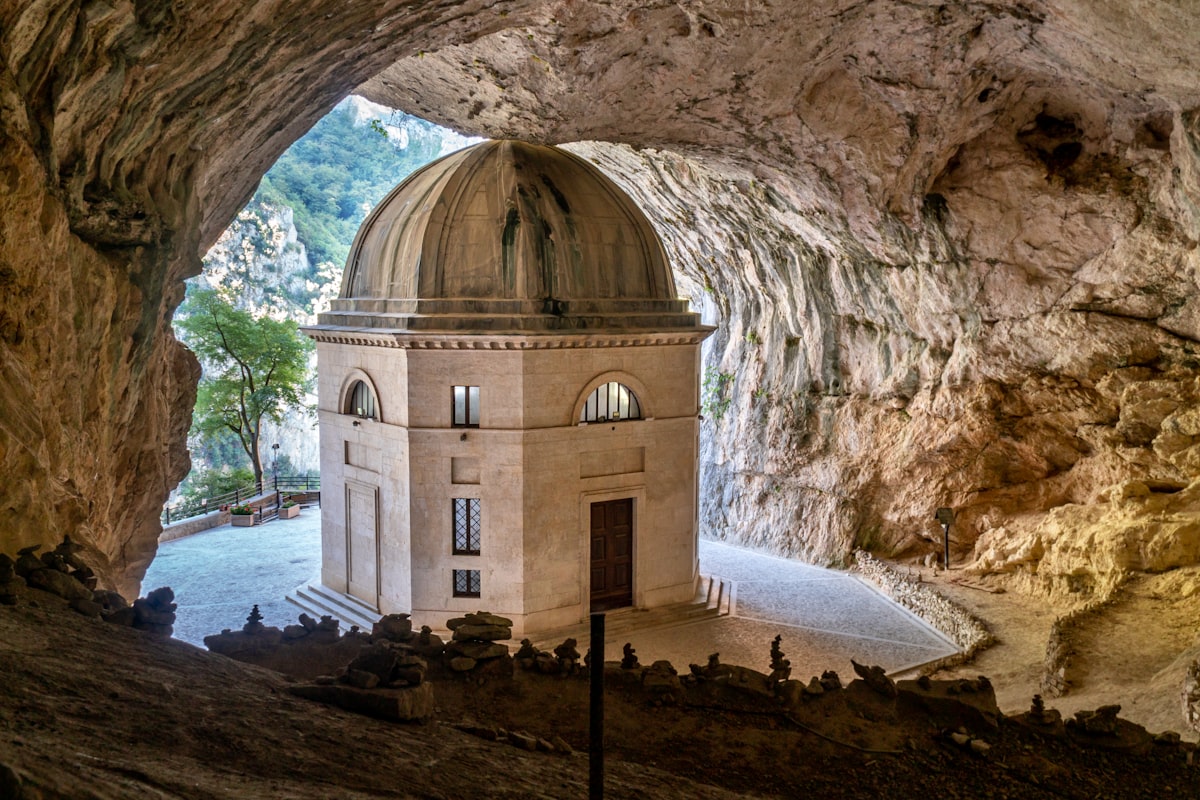
- Historic Cathedral of Genga – A stunning example of Romanesque architecture, open daily.
- National Museum of Genga – Showcases artifacts from the region’s ancient civilizations.
- Genga Old Town – Wander through narrow lanes, artisan shops, and historic squares.
- Lake Genga – Ideal for kayaking, picnics, and sunset views.
- Mount Genga Trail – Offers panoramic vistas and hiking opportunities.
Typical Local Food Categories
Genga’s culinary scene reflects its rich heritage. Look for:
- Seafood – Fresh catches served in local trattorias.
- Pasta – Hand‑made noodles with regional sauces.
- Cheese & cured meats – Artisanal products from nearby farms.
- Desserts – Traditional pastries like cannoli and gelato.
- Street food – Grilled skewers and fresh fruit stalls.
Transportation Overview
- By Air – Genga International Airport connects to major European hubs.
- By Train – Frequent services link Genga to neighboring cities.
- By Bus – Local and regional buses cover the city and surrounding areas.
- By Car – Rental agencies offer compact cars; parking is available in designated zones.
- By Bicycle – Dedicated bike lanes make cycling safe and enjoyable.
Where to Stay

Accommodation ranges from budget‑friendly hostels to upscale boutique hotels. Many visitors prefer centrally located options for easy access to attractions and dining.
Practical Tips for Travelers
- Language – Italian is the official language; English is commonly spoken in tourist areas.
- Currency – Euro (€) is used; credit cards are widely accepted.
- Safety – Genga is generally safe; standard travel precautions apply.
- Duration – A 3‑day stay allows you to explore the main sights and enjoy local cuisine.
Frequently Asked Questions
What is the best time to visit Genga?
The most comfortable months are March to May and September to November, when temperatures are mild and tourist crowds are thinner.
Is Genga safe for tourists?
Yes, Genga is considered safe. Petty crime is minimal, and the city’s hospitality culture makes visitors feel welcome.
How much does a typical day cost in Genga?
Daily expenses vary: budget travelers can manage on €30‑€50, mid‑range tourists spend €60‑€100, and upscale travelers may budget €120 or more.
What languages are spoken in Genga?
Italian is the primary language, but English is widely understood in hotels, restaurants, and tourist sites.

[IMAGE: traditional food from Italy