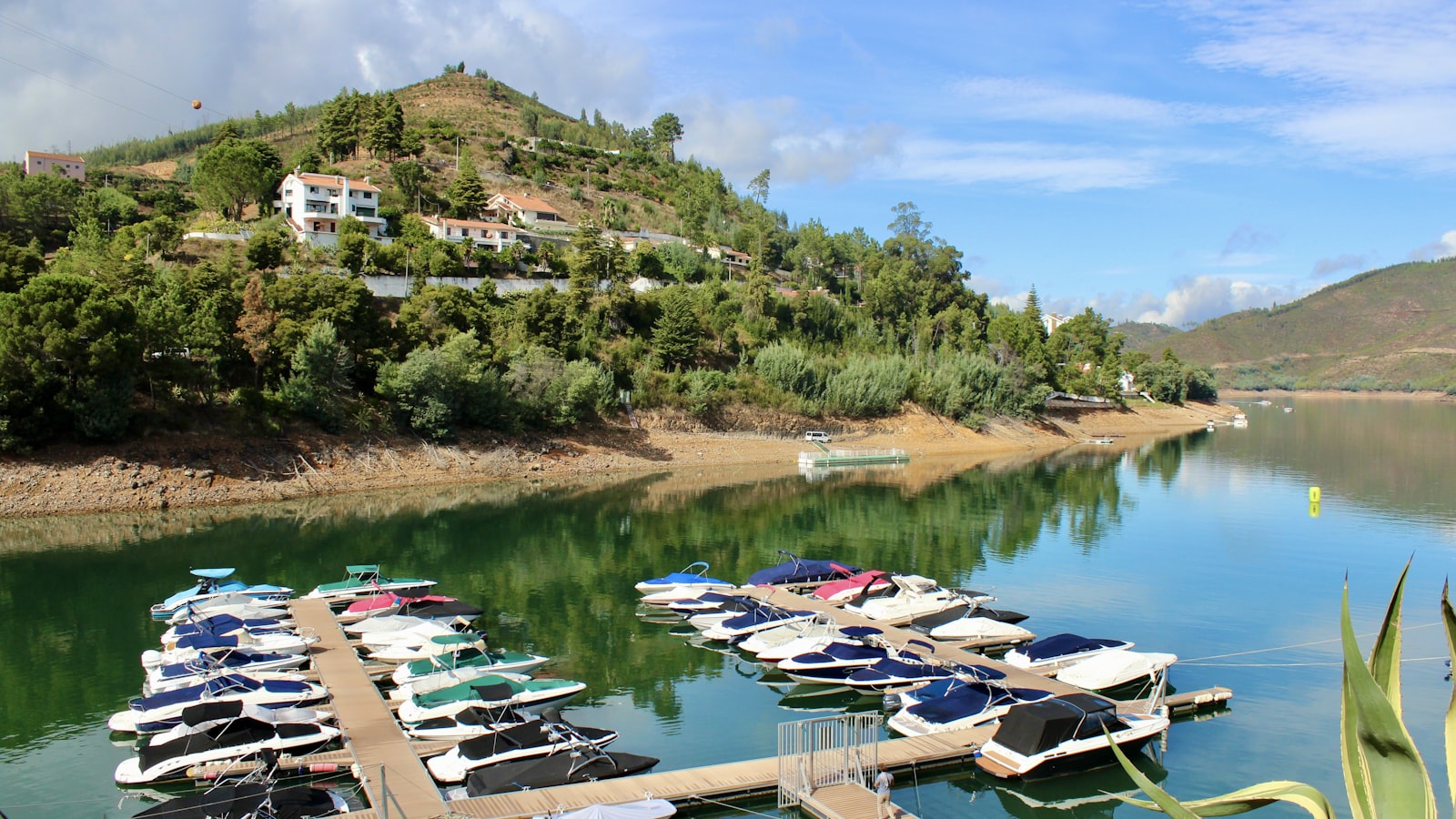
San Antonio (Nueva Ecija) Travel Guide
Welcome to San Antonio (Nueva Ecija), a charming city where history, culture, and natural beauty blend seamlessly. Whether you’re a history buff, a foodie, or an adventure seeker, this 2026 guide will help you plan a memorable trip.
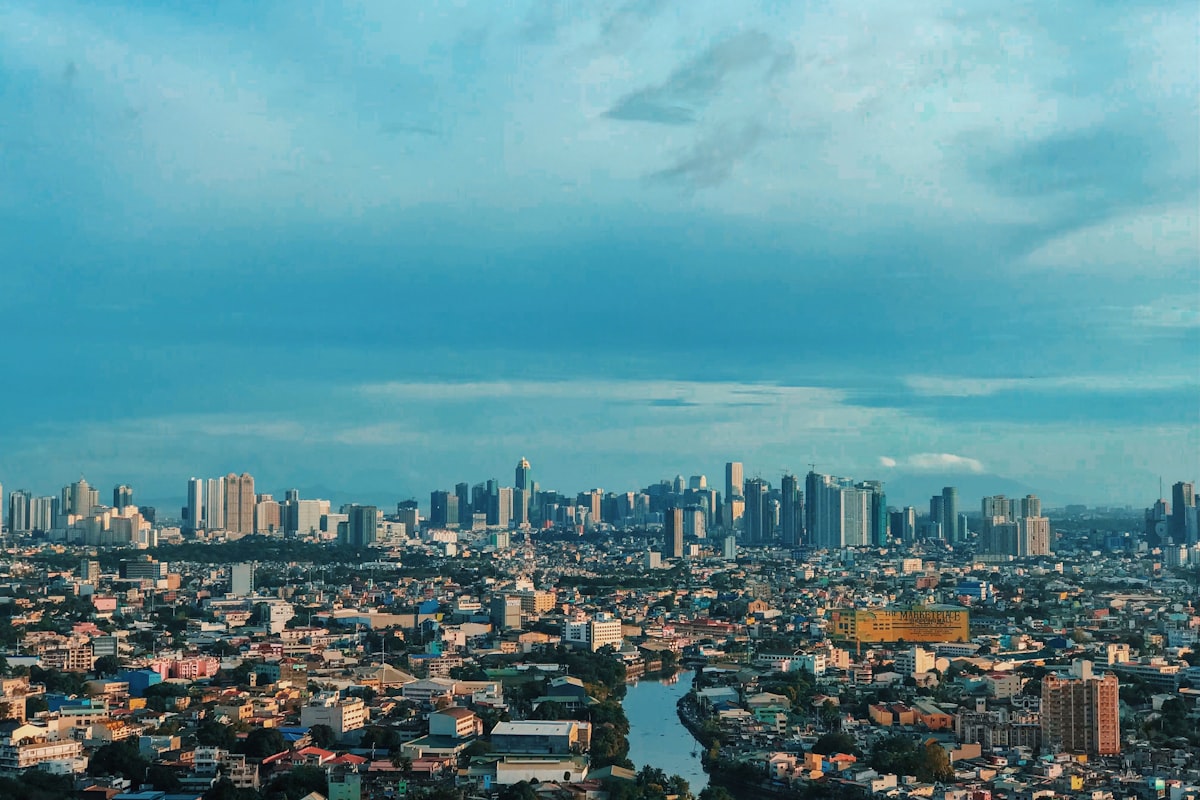
Why Visit San Antonio (Nueva Ecija)?
San Antonio is known for its well-preserved colonial architecture, vibrant festivals, and lush rice terraces. Many visitors enjoy the relaxed pace, friendly locals, and the opportunity to experience authentic Filipino traditions.
Best Time to Visit
San Antonio’s climate is tropical with a distinct wet and dry season. The most pleasant months are from November to February when temperatures range from 22°C to 28°C and rainfall is minimal.
- November – February: Ideal for sightseeing and outdoor activities.
- March – May: Hotter, but great for river trips and local festivals.
- June – October: Rainy season; fewer tourists and lush landscapes.
Top Well-Known Attractions
1. San Antonio Church and Bell Tower
A UNESCO‑listed heritage site, the church’s baroque façade and towering bell tower are must‑see landmarks.
2. San Antonio River Park
A scenic riverside park perfect for picnics, bike rides, and watching local fishermen.
3. San Antonio Heritage Museum
Explore artifacts that trace the city’s colonial past and its role in the Philippine Revolution.
4. San Antonio Market
Vibrant stalls selling fresh produce, local crafts, and street food create an authentic market experience.
5. Rice Terraces of San Antonio
These terraced fields showcase traditional farming techniques and offer breathtaking views.
Typical Local Food Categories
- Seafood: Fresh fish grilled or steamed, often served with vinegar and chili.
- Rice Dishes: Classic adobo and sinigang paired with steamed rice.
- Street Snacks: Isaw, taho, and halo-halo are popular treats.
- Desserts: Leche flan and buko pandan provide sweet finishes.

Transportation Overview
- By Air: The nearest major airport is Ninoy Aquino International Airport (Manila). From there, a 2‑hour drive to San Antonio is common.
- By Bus: Regular buses run from Manila’s Cubao terminal to San Antonio. Travel time is approximately 3 hours.
- By Train: The Philippine National Railways offers a commuter line to San Antonio, though schedules are limited.
- Local Transport: Jeepneys, tricycles, and taxis are readily available for short distances.
Where to Stay
🏨 Where to Stay in San Antonio (Nueva Ecija)
View All Hotels in San Antonio (Nueva Ecija)

Choose from budget-friendly hostels, mid‑range boutique hotels, and upscale resorts. Many accommodations offer river views and easy access to historic sites.
Cultural Tips
- Language: Filipino and English are widely spoken.
- Dress: Light, breathable clothing is recommended; modest attire is respectful near churches.
- Etiquette: Greet with a friendly “Kumusta?” and always ask permission before photographing locals.
Frequently Asked Questions
What is the best time to visit San Antonio (Nueva Ecija)?
The most comfortable period is from November to February when temperatures are mild and rainfall is low, making it ideal for outdoor activities and sightseeing.
Is San Antonio (Nueva Ecija) safe for tourists?
San Antonio is generally safe for travelers. As with any destination, stay aware of your surroundings, keep valuables secure, and follow local advisories.
How much does a typical day in San Antonio cost?
Daily expenses vary: budget travelers can manage with around 1,000–1,500 PHP, mid‑range visitors spend 2,000–3,500 PHP, and upscale travelers may budget 4,000+ PHP.
What languages are spoken in San Antonio?
Filipino and English are the primary languages. Spanish influence is evident in some place names, but most locals communicate comfortably in Filipino.

[IMAGE: famous landmark in San Antonio (Nueva Ecija)