Metz Travel Guide 2026
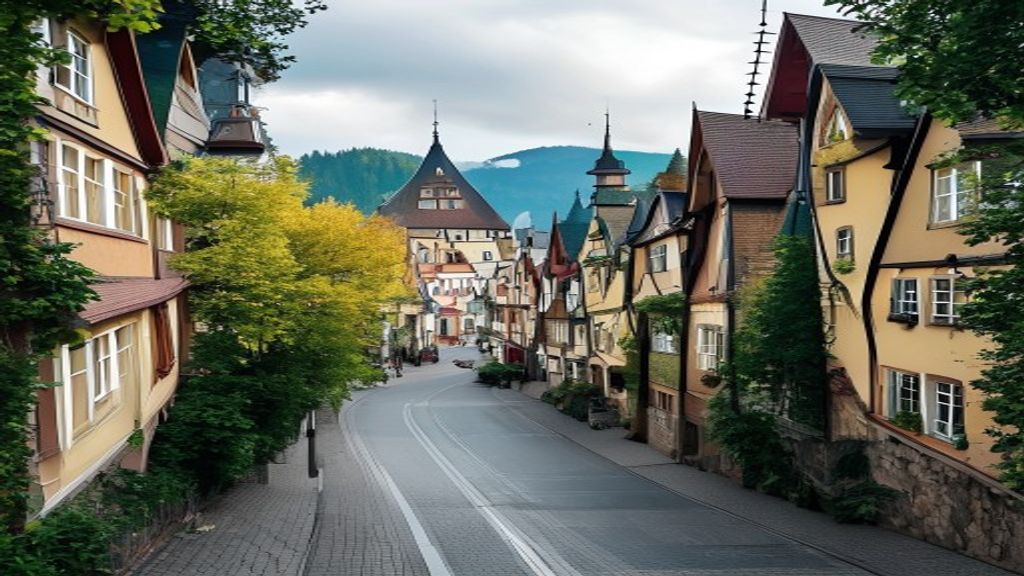
Metz, a jewel in northeastern France, offers a blend of medieval charm and modern vibrancy. In 2026, travelers find the city welcoming, with crisp spring air, lush summer gardens, golden autumn leaves, and mild winter light. This guide covers the best time to visit, must-see attractions, local food categories, transportation, and accommodation tips.
Is Metz worth visiting?
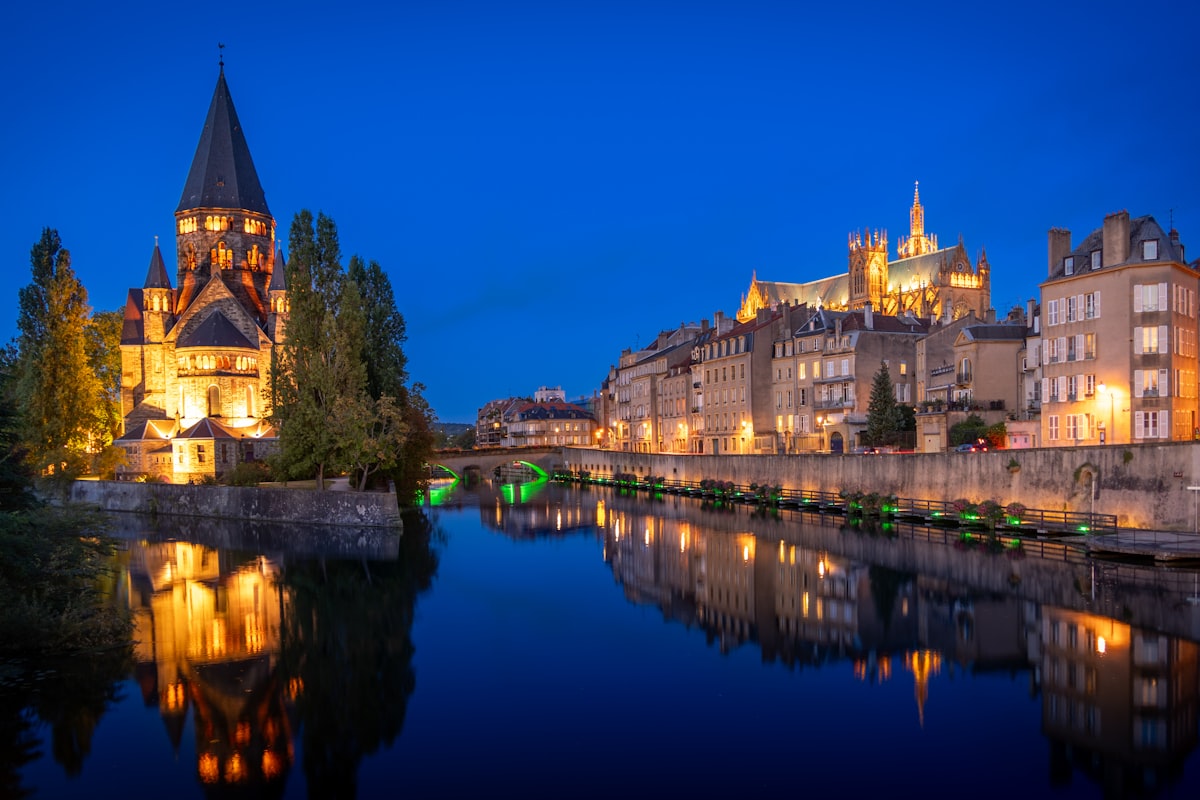
Metz is a hidden gem that captivates visitors with its stunning cathedral, vibrant arts scene, and delicious regional cuisine. The city’s compact size makes it easy to explore on foot, while its rich history and friendly locals create a memorable experience.
Best Time to Visit Metz
The optimal months for a visit depend on your preferences:
- May to June: Mild temperatures (18‑24 °C), blooming gardens, and fewer crowds.
- September to October: Crisp air, colorful foliage, and harvest festivals.
- Late April: Early spring blossoms and lively markets.
- July: Warm days (25‑30 °C) ideal for river walks.
Top Well-Known Attractions
- Cathedral of Saint Stephen: A UNESCO‑listed masterpiece with soaring stained‑glass windows.
- Centre Pompidou-Metz: Contemporary art housed in a striking glass and steel building.
- The Porte des Allemands: A historic gate that offers panoramic views of the Moselle.
- The Old Town (Ville Basse): Cobblestone streets, artisan shops, and the lively Place Saint-Étienne.
- The Moselle River Promenade: Scenic walks and boat tours.
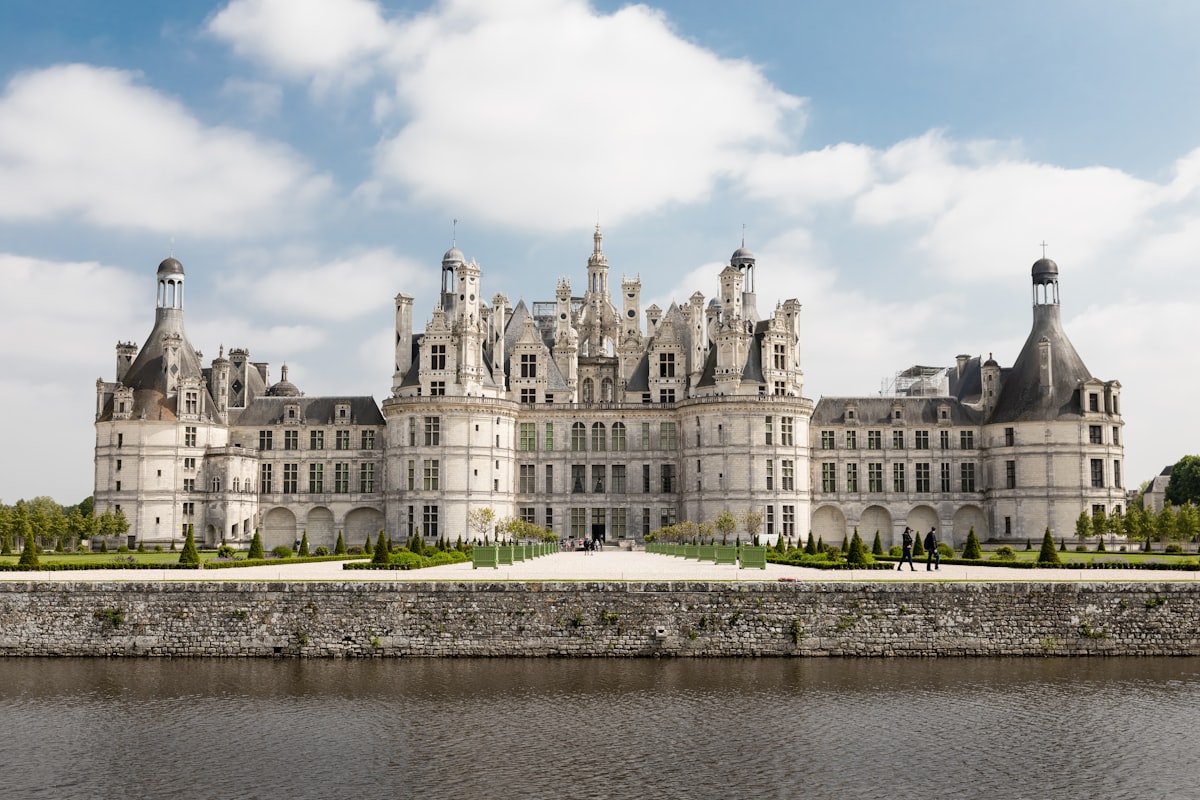
- The Château de la Barthe: A Renaissance castle with beautiful gardens.
Typical Local Food Categories
- Bretzels: Soft, salty pretzels perfect for a quick snack.
- Quiche Lorraine: Creamy custard tart with bacon, a regional staple.
- Metz Wurst: Smoked sausage served with sauerkraut.
- Boudin Noir: Blood sausage, often grilled with onions.
- Apple Cider: Freshly pressed from local orchards.
- Cheese: From the nearby Lorraine region, including Munster and Pont-l'Évêque.
Transportation Overview
- By Air: Metz-Francquières Airport connects to Paris and other European hubs.
- By Train: The Metz-Ville station offers high‑speed TGV links to Paris, Strasbourg, and Luxembourg.
- By Bus: Regional buses serve surrounding towns and rural areas.
- On Foot: The city center is compact; walking is the best way to soak in the atmosphere.
- Bike: Metz has an expanding network of bike lanes and rental stations.

Where to Stay
Metz offers a range of accommodation options:
- Budget‑friendly: Hostels and guesthouses in the Old Town.
- Mid‑range ($$): Boutique hotels near the cathedral or along the river.
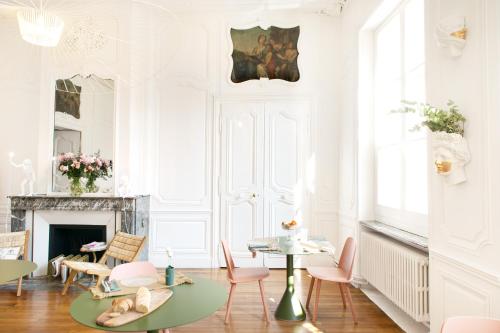
- Upscale ($$$): Luxury hotels with spa services and river views.
🏨 Where to Stay in Metz
View All Hotels in Metz

Tips for a Memorable Visit
- Language: French is the official language, but English is widely understood in tourist areas.
- Currency: The euro (€) is used; many places accept contactless payments.
- Safety: Metz is generally safe; stay alert in crowded markets.
- Duration: A 3‑day stay allows you to cover the main sights and enjoy local cuisine.
Frequently Asked Questions
What is the best time to visit Metz?
The best months are May to June and September to October when the weather is mild, gardens are in bloom, and festivals are lively.
Is Metz safe for tourists?
Metz is considered very safe for travelers. Petty crime is rare, and local police maintain a visible presence in tourist areas.
How much does a typical day in Metz cost?
A moderate budget of €70‑€100 covers meals, entrance fees, and transport. Luxury options can exceed €200 per day.
What language should I learn before visiting Metz?
French is the primary language, but many locals speak English, especially in hotels and restaurants.
Meta
Metz offers a blend of history, art, and gastronomy. Plan your 2026 visit to enjoy its iconic cathedral, contemporary museums, and regional delicacies. Whether you stroll along the Moselle or explore the Old Town, Metz promises a memorable experience for every traveler.
[IMAGE: traditional food from France