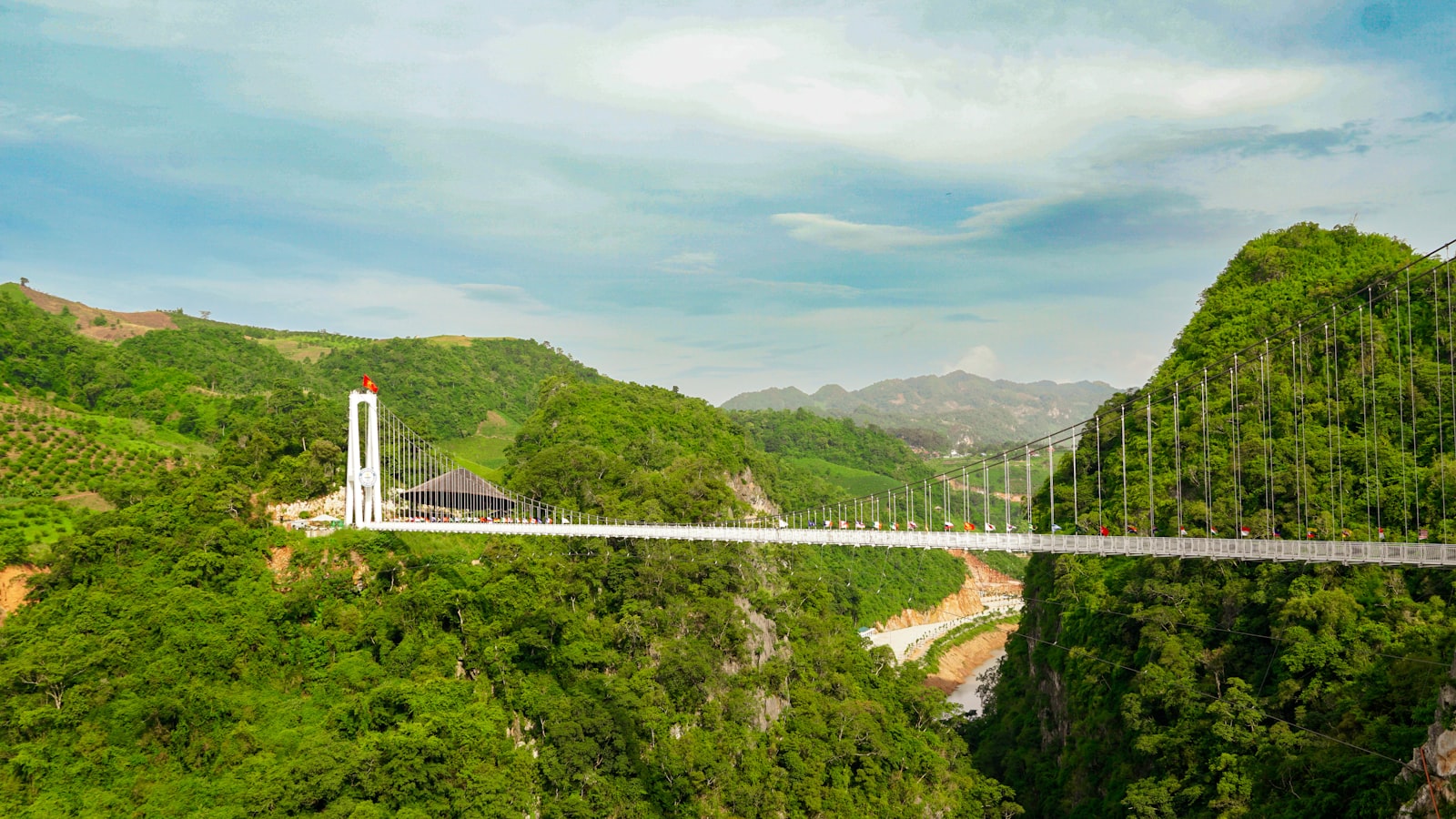
Bifuka Travel Guide 2026
Welcome to Bifuka, a charming destination where tradition meets natural beauty. Whether you’re planning a quick getaway or a longer stay, this guide will help you navigate the city’s best times to visit, must-see attractions, local food staples, transportation options, and accommodation choices.

Why Bifuka is a Must-Visit
Bifuka offers a unique blend of cultural heritage, outdoor adventures, and culinary delights. From historic temples to scenic parks, the city invites travelers to explore its vibrant streets and serene landscapes.
Best Time to Visit Bifuka
The optimal months for a Bifuka visit are May to June and September to October. During late spring, the weather is mild, and the city’s gardens burst with color. Autumn brings crisp air and stunning foliage, perfect for leisurely walks.
- May-June: Warm temperatures, blooming flowers.
- September-October: Cooler days, harvest festivals.
Seasonal Highlights
- Summer (July-August): Hot, ideal for water activities.
- Winter (December-February): Snowy, great for winter sports.
Top Attractions in Bifuka
Bifuka is home to several iconic sites that draw visitors year after year.
1. Bifuka Cultural Museum
A cornerstone of the city’s heritage, the museum showcases artifacts from ancient times to modern art. Admission is around $10-15.
2. Lake Yama Park
A sprawling green space ideal for picnics, bike rides, and lake views.
3. Historic Bifuka Temple
A serene temple with traditional architecture, open daily.
4. Local Markets
Explore fresh produce, handmade crafts, and street food stalls.

Typical Local Food Categories
Bifuka’s cuisine reflects its rich cultural tapestry. Here are the categories you’ll find.
- Seafood: Fresh catches served grilled or in soups.
- Rice Dishes: From simple steamed rice to elaborate sushi.
- Street Snacks: Takoyaki, yakitori, and sweet mochi.
- Local Baked Goods: A local bakery near the main square offers fresh bread and pastries.
Transportation Overview
Getting around Bifuka is convenient whether you prefer public transit or private options.
Public Transit
- Bus Network: Covers most city areas, frequent service.
- Train: Connects Bifuka to nearby cities.
Taxis & Ride-Sharing
- Widely available, with clear fare structures.
Biking
- Dedicated bike lanes make cycling safe and enjoyable.

Where to Stay
Bifuka offers a range of accommodations to suit every budget.
- Budget-friendly: Hostels and guesthouses.
- Mid-range ($$): Boutique hotels and serviced apartments.
- Upscale ($$$): Luxury hotels with spa services.
Practical Tips for Travelers
- Language: Japanese is predominant; English signage is common in tourist areas.
- Currency: Japanese yen (JPY). ATMs are plentiful.
- Connectivity: Free Wi-Fi in many public spaces.
- Safety: Bifuka is generally safe; standard travel precautions apply.
Frequently Asked Questions
What is the best time to visit Bifuka?
The most pleasant months are May to June and September to October, offering mild weather and vibrant seasonal displays.
Is Bifuka safe for tourists?
Yes, Bifuka is a welcoming city with low crime rates. Standard safety measures, such as keeping valuables secure, are advised.
How much does a typical day in Bifuka cost?
Daily expenses vary: budget travelers can manage on $30-50, mid-range on $70-120, and upscale on $150+.
What languages are spoken in Bifuka?
Japanese is the primary language, but many locals in tourist zones speak basic English and provide multilingual signage.