Vitoria Travel Guide 2026
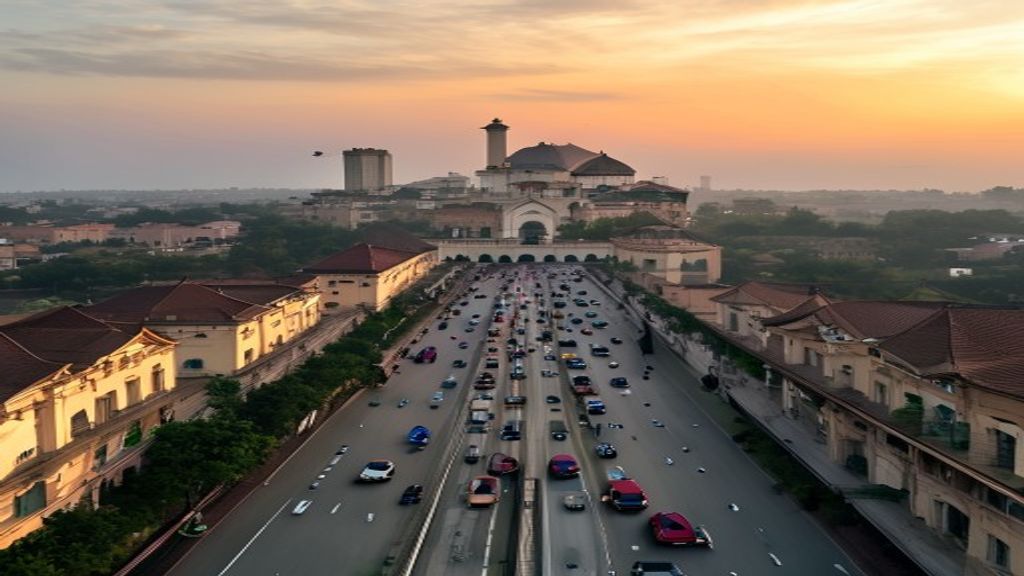
Vitoria, the capital of the Basque Country, blends historic charm with modern vibrancy. Whether you’re exploring its medieval streets, savoring pintxos, or strolling along the river, this city offers a rich tapestry of culture and cuisine. In 2026, travelers are drawn to its lively festivals, green spaces, and welcoming locals.
Why Vitoria Is Worth Visiting
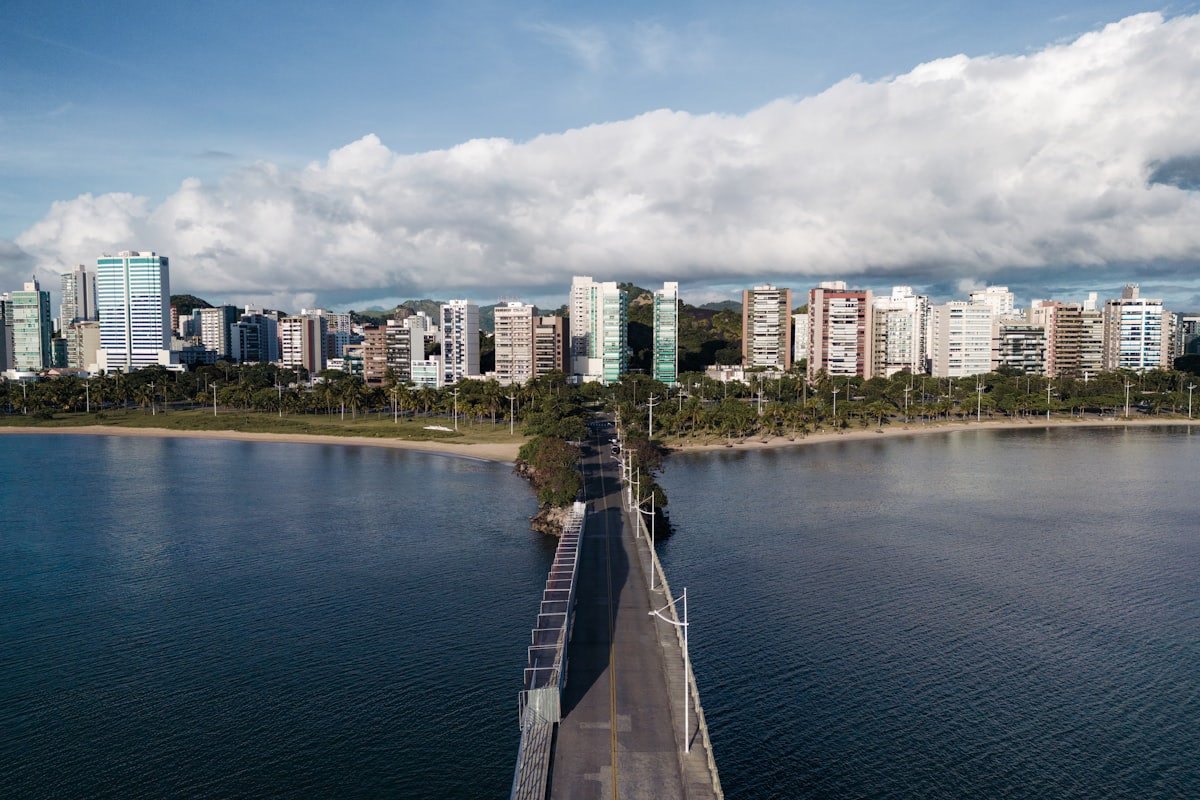
Many visitors enjoy Vitoria for its compact city center, where historic architecture meets contemporary art. The city’s blend of tradition and innovation makes it a top destination for culture lovers, foodies, and outdoor enthusiasts alike.
Best Time to Visit
The most pleasant weather occurs from May to June and September to October. During these shoulder seasons, temperatures hover between 18‑24 °C, crowds are thinner, and local festivals—such as the San Sebastián Fair—add extra color to your itinerary. Summer (July‑August) can be hot and busy, while winter (December‑January) offers a cozy, festive atmosphere but shorter daylight hours.
Top Well-Known Attractions
- Cathedral of Santa María – A stunning example of Gothic architecture with a soaring nave.
- Museum of Fine Arts – Home to works by Goya, Picasso, and contemporary Basque artists.
- Aqueduct of Vitoria – An impressive Roman aqueduct that still supplies water to the city.
- Parque de la Florida – A green oasis ideal for picnics and leisurely walks.
- Old Town (Casco Viejo) – Cobblestone streets, artisan shops, and historic cafés.
Local Food Categories
- Pintxos – Small, flavorful bites served in bars; try anchovy, cheese, and marinated vegetables.
- Seafood – Fresh fish, octopus, and mussels, often grilled or in a saffron broth.
- Basque Cheese – Aged cheeses like Idiazabal, perfect with local bread.
- Desserts – Gâteau basque, chocolate pastries, and seasonal fruit tarts.
Transportation Overview
- Public Transit – Buses and trams connect all major districts; a day pass is budget-friendly.
- Bike Sharing – Eco‑friendly and convenient for short trips.
- Walking – The historic center is best explored on foot, revealing hidden corners.
- Airport – Vitoria Airport links to Madrid, Barcelona, and international hubs.
Where to Stay
🏨 Where to Stay in Vitoria
View All Hotels in Vitoria


Accommodation ranges from budget-friendly hostels to upscale boutique hotels. Mid‑range options offer comfortable rooms with local décor, while luxury stays provide spa services and panoramic city views.
Suggested Itinerary
Day 1 – Explore the Old Town, visit the Cathedral, and dine on pintxos.
Day 2 – Spend the morning at the Museum of Fine Arts, then relax in Parque de la Florida.
Day 3 – Take a day trip to the nearby Rioja wine region or the coastal town of San Sebastián.
Frequently Asked Questions
What is the best time to visit Vitoria?
The most pleasant months are May to June and September to October, offering mild temperatures, fewer crowds, and vibrant local festivals.
Is Vitoria safe for tourists?
Yes, Vitoria is generally safe. Common sense precautions—watching belongings in crowded areas—apply, as in any European city.
How much does a typical day cost in Vitoria?
A budget-friendly day can be around €30‑€50, covering meals, public transport, and a museum entry. Mid-range travelers might spend €70‑€100.
What language is spoken in Vitoria?
Spanish and Basque are both official. Most locals speak Spanish, and many also speak English, especially in tourist areas.
Featured Snippet
Is Vitoria worth visiting? Yes—its historic charm, vibrant food scene, and welcoming locals make it a must-see destination for any traveler.
[IMAGE: famous landmark in Vitoria