Villefontaine Travel Guide 2026
Villefontaine, a charming town in the Auvergne‑Rhone‑Alpes region, offers a blend of historic sites, green spaces, and authentic French culture. Whether you’re a history buff, a foodie, or a nature lover, Villefontaine welcomes you with open arms.
Is Villefontaine worth visiting?
Villefontaine is a hidden gem that combines the tranquility of a small town with the convenience of nearby Lyon. Its historic center, lush parks, and local markets make it an ideal day trip or weekend getaway for travelers seeking genuine French charm.
When to Visit Villefontaine
The best months to experience Villefontaine’s full appeal are May to June and September to October. During spring, the town bursts into color with blooming flowers and mild temperatures around 18‑22 °C. Early autumn offers crisp air, vibrant foliage, and fewer crowds.
- May–June: Ideal for outdoor walks and garden visits.
- July–August: Warmest weather, perfect for river activities, but expect higher visitor numbers.
- September–October: Mild temperatures, harvest festivals, and quieter streets.
- November–April: Cooler and wetter; great for indoor museums and cozy cafés.
Top Attractions in Villefontaine
1. The Historic Town Square
The central square, surrounded by 18th‑century facades, is the heart of Villefontaine. It hosts weekly markets where locals sell fresh produce, cheeses, and artisanal bread.
2. Parc de la Tête d’Or
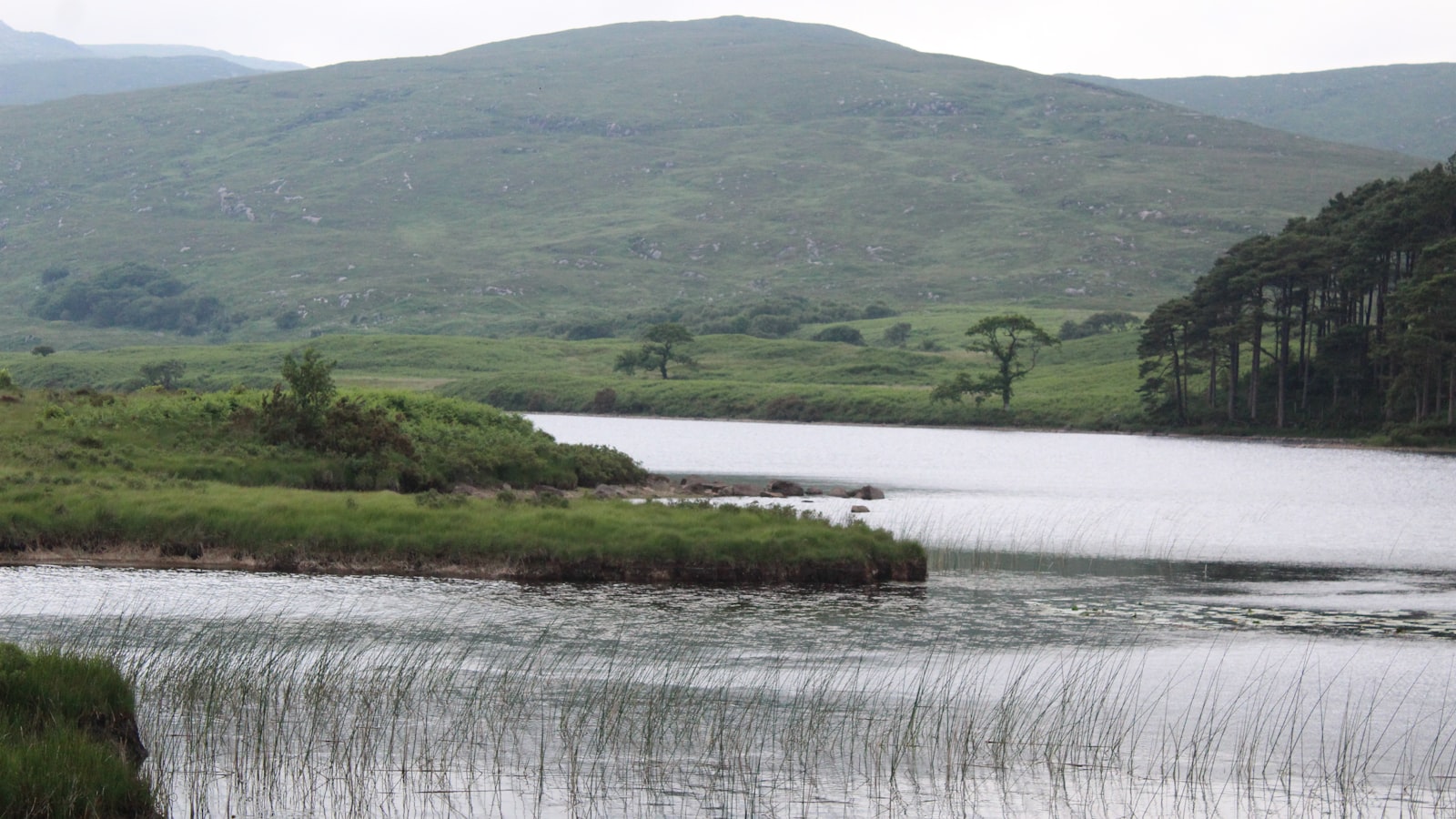
A sprawling green space featuring a lake, botanical gardens, and a small zoo. Ideal for picnics, cycling, or a leisurely stroll.
3. Saint‑Jean-Baptiste Church
A beautiful example of regional Gothic architecture, the church offers guided tours that highlight its stained‑glass windows and historic altar.
4. Musée d’Art et d’Histoire
This small museum showcases artifacts from the town’s Roman roots to modern art pieces, providing insight into Villefontaine’s cultural evolution.
5. The River Saône Promenade
Walk along the Saône’s banks for scenic views, riverboat rides, and opportunities to spot local wildlife.
Local Food Categories
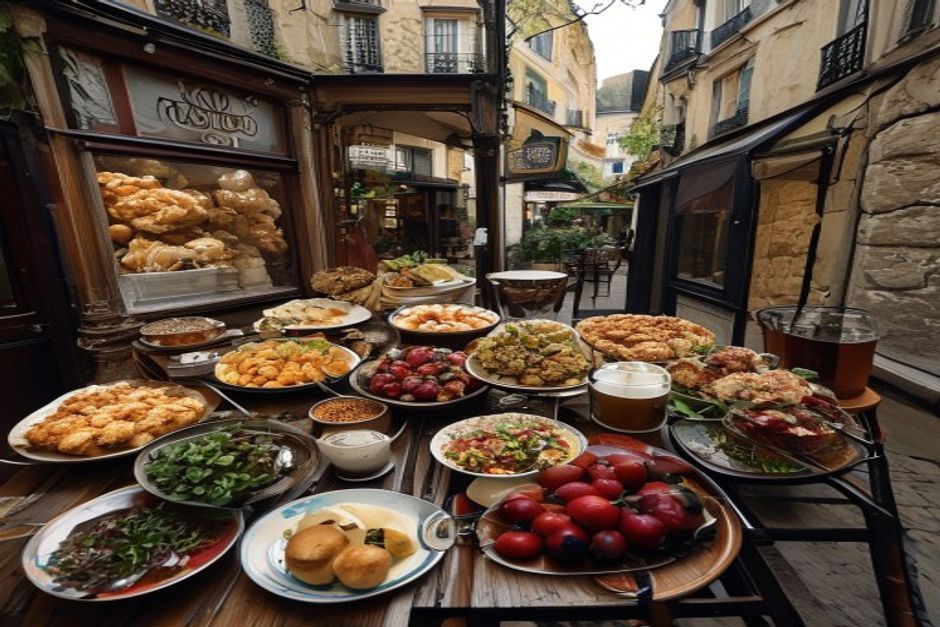
Villefontaine’s culinary scene reflects the broader Lyonnaise cuisine, known for its richness and variety.
- Boulangerie: Fresh baguettes, croissants, and regional pastries.
- Fromagerie: A selection of local cheeses such as Saint‑Etienne and Boursin.
- Bistro: Classic French dishes like coq au vin, quiche Lorraine, and tarte tatin.
- Market Stalls: Seasonal fruits, vegetables, and homemade jams.
- Dessert: Traditional sweets like madeleines and financiers.
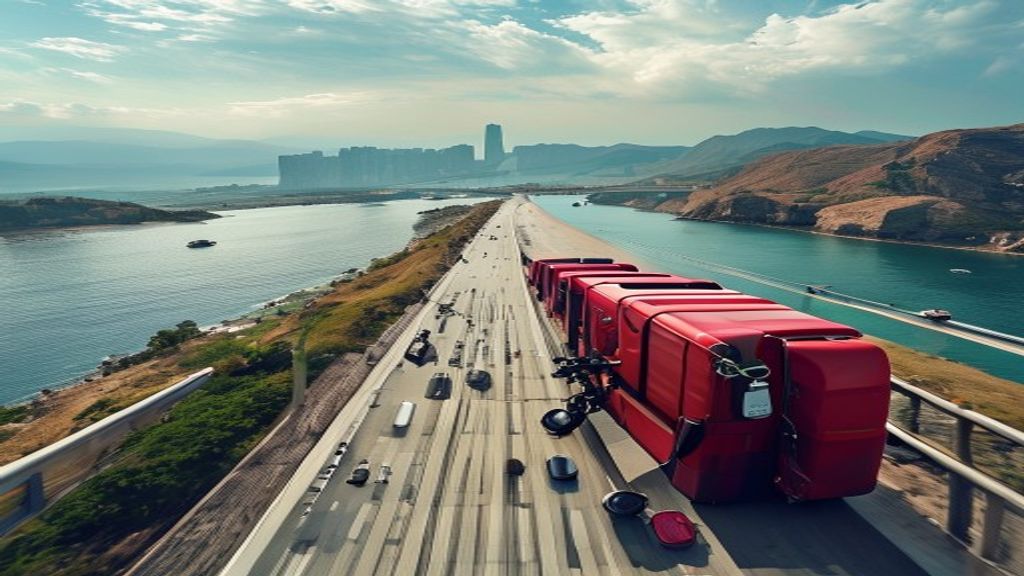
Transportation Overview
Getting There
- By Train: Villefontaine is served by the TER Auvergne‑Rhone‑Alpes network. A direct line connects the town to Lyon Part‑Dieu station in about 15 minutes.
- By Car: Located on the A46 motorway, the town is a 20‑minute drive from Lyon. Parking is available in the town center and at Parc de la Tête d’Or.
- By Bus: Local bus lines link Villefontaine to neighboring communes and Lyon.
Inside the Town
- Walking: The historic center is compact and pedestrian‑friendly.
- Bicycle: Several rental stations offer bikes for short trips.
- Public Transit: A local bus network circulates the outskirts and connects to the train station.
Where to Stay
Villefontaine offers a range of accommodation options to suit every budget.
- Budget‑friendly: Hostels and guesthouses with basic amenities.
- Mid‑range ($$): Small hotels and B&Bs featuring local décor.
- Upscale ($$$): Boutique hotels with spa services and fine dining.

Practical Tips for Travelers
- Language: French is the official language; English is understood in tourist areas.
- Currency: Euro (€). Credit cards are widely accepted.
- Connectivity: Free Wi‑Fi is available in most cafés and public spaces.
- Safety: Villefontaine is a safe destination with low crime rates.
- Duration: A 2‑day visit covers the main sights; add a day for nearby Lyon.
Frequently Asked Questions
What is the best time to visit Villefontaine?
The optimal period is from May to June and September to October, when the weather is pleasant and the town’s gardens and markets are in full bloom.
Is Villefontaine safe for tourists?
Yes, Villefontaine is considered very safe. Petty crime is minimal, and the local police maintain a visible presence in tourist areas.
How much does a typical day in Villefontaine cost?
A moderate budget of €50‑70 per day covers meals, public transport, and entrance fees to attractions. Budget travelers can stay under €30 by choosing hostels and street food.
What language should I learn before visiting?
Basic French phrases will enhance your experience, though English is commonly spoken in cafés, shops, and the train station.
Conclusion
Villefontaine blends historical charm with modern convenience, making it a perfect destination for travelers in 2026. From its vibrant markets to serene parks, the town offers a well-rounded experience that caters to all interests. Pack your camera, bring an appetite for local flavors, and enjoy a memorable stay in this delightful French town.


[IMAGE: Villefontaine park view