Welcome to Tulln
Tulln, a picturesque town on the Danube, offers a blend of historic charm and natural beauty. In 2026, travelers are drawn to its vibrant markets, serene parks, and cultural landmarks. Whether you’re a history buff, foodie, or nature lover, Tulln has something to delight you.

When to Visit Tulln
The best time to visit depends on what you want to experience.
Spring (April–May)
- Mild weather, blooming flowers, and lively festivals.
- Ideal for walking the Danube promenade and exploring the historic center.
Summer (June–August)
- Warm temperatures perfect for river activities.
- The annual Tulln Summer Festival brings music, dance, and local crafts.
Autumn (September–October)
- Crisp air, colorful foliage, and harvest celebrations.
- A quieter period, great for cultural tours and wine tasting.
Winter (November–January)
- Cool, sometimes snowy, but the town’s Christmas market is a highlight.
- Fewer crowds and lower accommodation rates.
Top Attractions in Tulln
Tulln’s attractions range from historic sites to natural wonders.Tulln Castle (Schloss Tulln)
- A Renaissance palace now hosting exhibitions and events.
- Admission around $10‑15.
Danube Promenade
- A scenic walkway perfect for cycling or leisurely strolls.
- Offers panoramic views of the river and surrounding vineyards.
St. John the Baptist Church
- A baroque gem with intricate frescoes.
- Free entry; guided tours available.
Tulln Botanical Garden
- Features regional flora and themed gardens.
- Ideal for a peaceful afternoon.
Local Markets
- Weekly farmers’ market on the Hauptplatz.
- Discover fresh produce, artisanal cheeses, and handmade crafts.
Local Food Categories
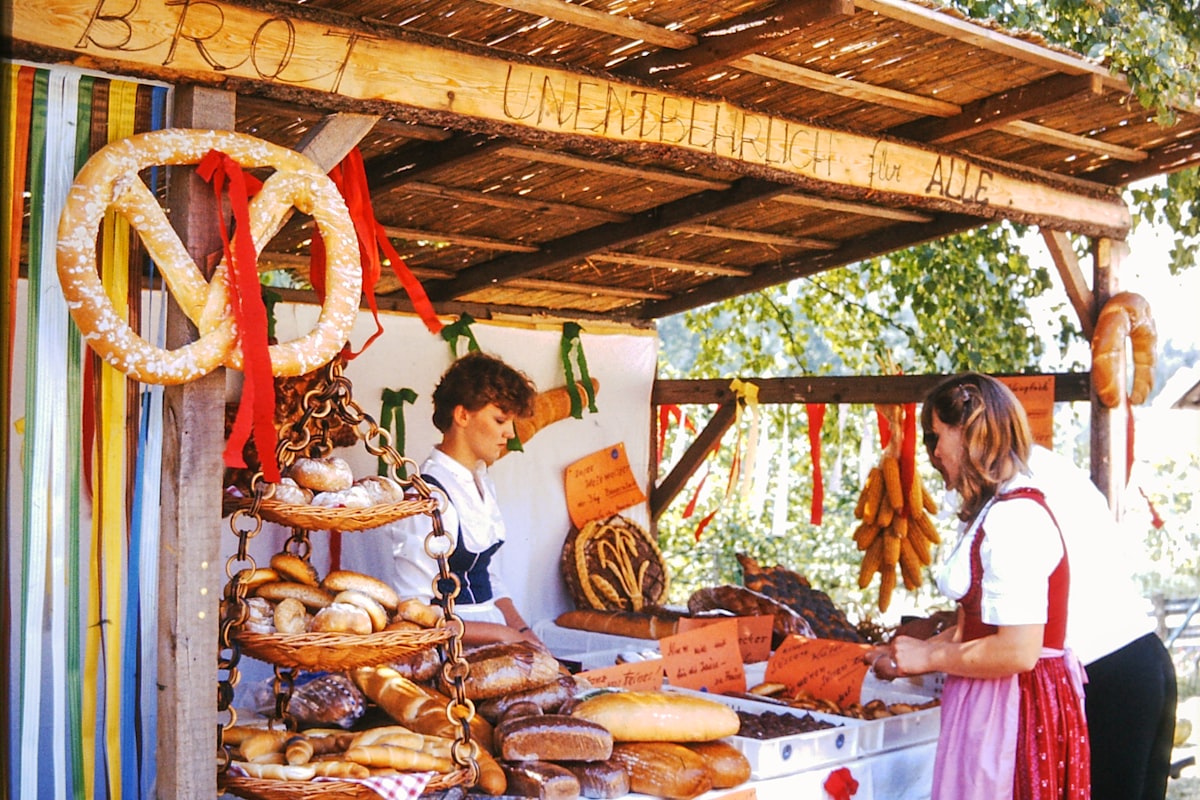
Tulln’s culinary scene reflects Austrian traditions with a riverside twist.- Bakeries: Fresh bread, pastries, and local specialties.
- Wineries: Small vineyards produce Riesling and Grüner Veltliner.
- Fish Dishes: Fresh Danube fish served in local taverns.
- Desserts: Apfelstrudel, Sachertorte, and seasonal fruit tarts.
Transportation Overview
Getting to and around Tulln is convenient.
By Train
- The Tulln Hauptbahnhof connects to Vienna, Linz, and Graz.
- Frequent regional trains; journey to Vienna takes about 30 minutes.
By Car
- Accessible via the A1 motorway.
- Parking available in the city center and near major attractions.
Public Bus
- Local buses link the town with nearby villages.
- Timetables available at the bus station.
Cycling
- Dedicated bike lanes along the Danube.
- Rent a bike at various shops near the promenade.
Where to Stay
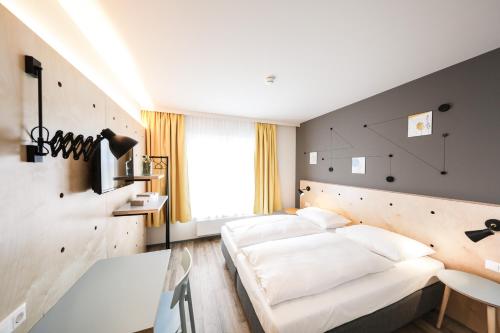
Choosing accommodation depends on your preferences.- Budget-friendly: Hostels and guesthouses near the Hauptplatz.
- Mid-range ($$): Boutique hotels offering river views.
- Upscale ($$$): Luxury inns with spa facilities.
Tips for a Memorable Stay
- Arrive early in spring or autumn to enjoy quieter streets.
- Try local wines at a vineyard tour.
- Wear comfortable shoes for cobblestone streets.
- Check festival calendars to catch seasonal events.
Frequently Asked Questions
What is the best time to visit Tulln?
The best time to visit Tulln is during late spring (April–May) and early autumn (September–October) when the weather is pleasant, crowds are moderate, and local festivals celebrate the town’s heritage.
Is Tulln safe for tourists?
Tulln is a safe destination for travelers. The town has a low crime rate, and local authorities maintain public safety. Standard travel precautions, such as keeping valuables secure, are advised.
How much does a typical day in Tulln cost?
A typical day in Tulln can range from budget-friendly to upscale. Budget travelers can spend around €30–€50, mid-range visitors €60–€100, and those seeking luxury may spend €120 or more.
What languages are spoken in Tulln?
German is the primary language. Many locals in the hospitality sector speak English, especially in tourist areas, making communication easy for international visitors.
Final Thoughts
Tulln is a hidden gem that offers a rich tapestry of history, culture, and natural beauty. By visiting during the optimal seasons, exploring its key attractions, savoring local cuisine, and choosing comfortable accommodation, you’ll create unforgettable memories in this Austrian riverside town.
[IMAGE: famous landmark in Tulln