Welcome to Tula
Tula is a charming Russian city steeped in history and culture. In 2026, travelers are drawn to its iconic Kremlin, vibrant markets, and rich culinary scene. Whether you’re a history buff, foodie, or simply looking for a relaxed getaway, Tula offers a memorable experience.
Best Time to Visit Tula
The optimal window for visiting Tula is late spring (May–June) and early autumn (September–October). During these months the weather is mild, crowds are manageable, and outdoor activities are at their best. Summer (July–August) can be hot and busy, while winter (December–February) brings cold temperatures and limited daylight.
Top Well-Known Attractions
Tula Kremlin
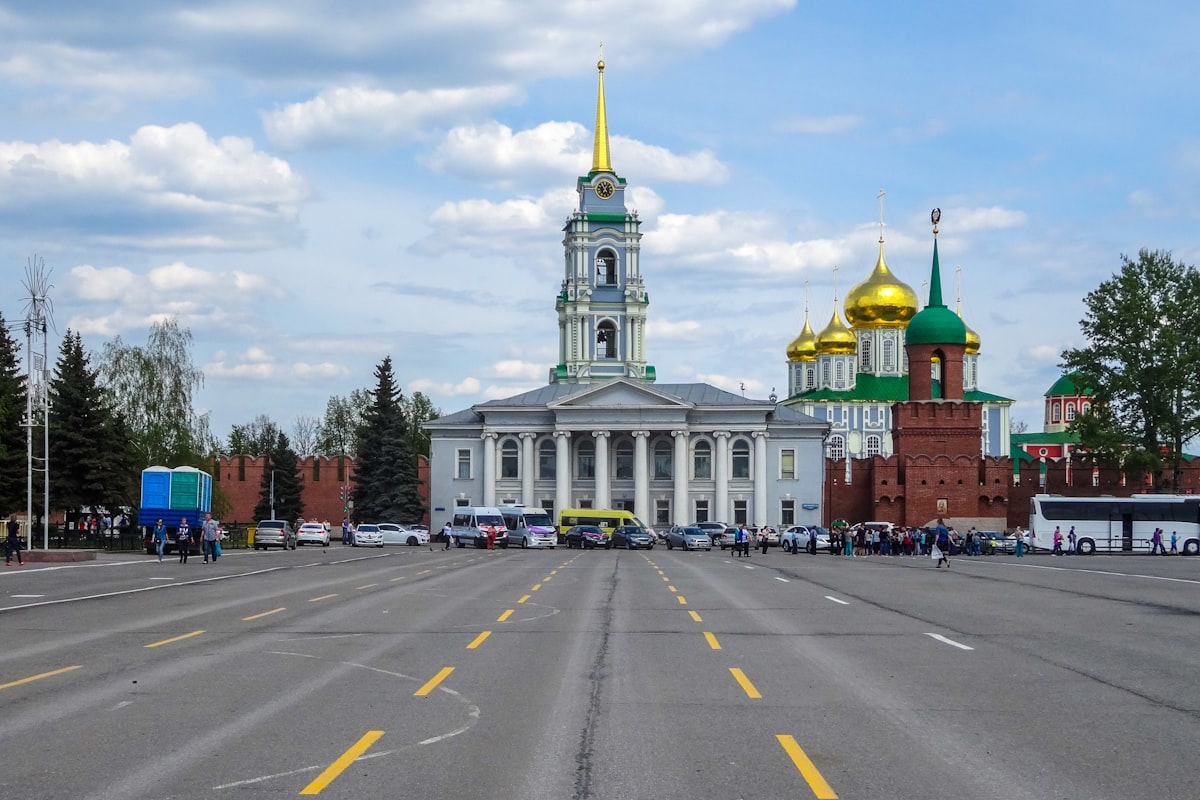
The Tula Kremlin, a UNESCO‑listed fortress, is the city’s crown jewel. Its red brick walls, bell towers, and the Cathedral of the Holy Trinity offer panoramic views and a glimpse into Russia’s past.
Museum of Weapons
Tula is famed for its armaments. The Museum of Weapons showcases a vast collection of historical firearms, from medieval swords to modern rifles, housed in a former armory.
Tula Kremlin Museum
Adjacent to the Kremlin, this museum displays artifacts related to the city’s military history and the famous Tula gunsmiths.
Tula Regional Museum of Local History
Explore regional art, folk crafts, and historical documents that tell the story of Tula’s development.
Tula Cathedral of the Holy Trinity
A stunning example of Russian Orthodox architecture, this cathedral features intricate iconography and a serene interior.
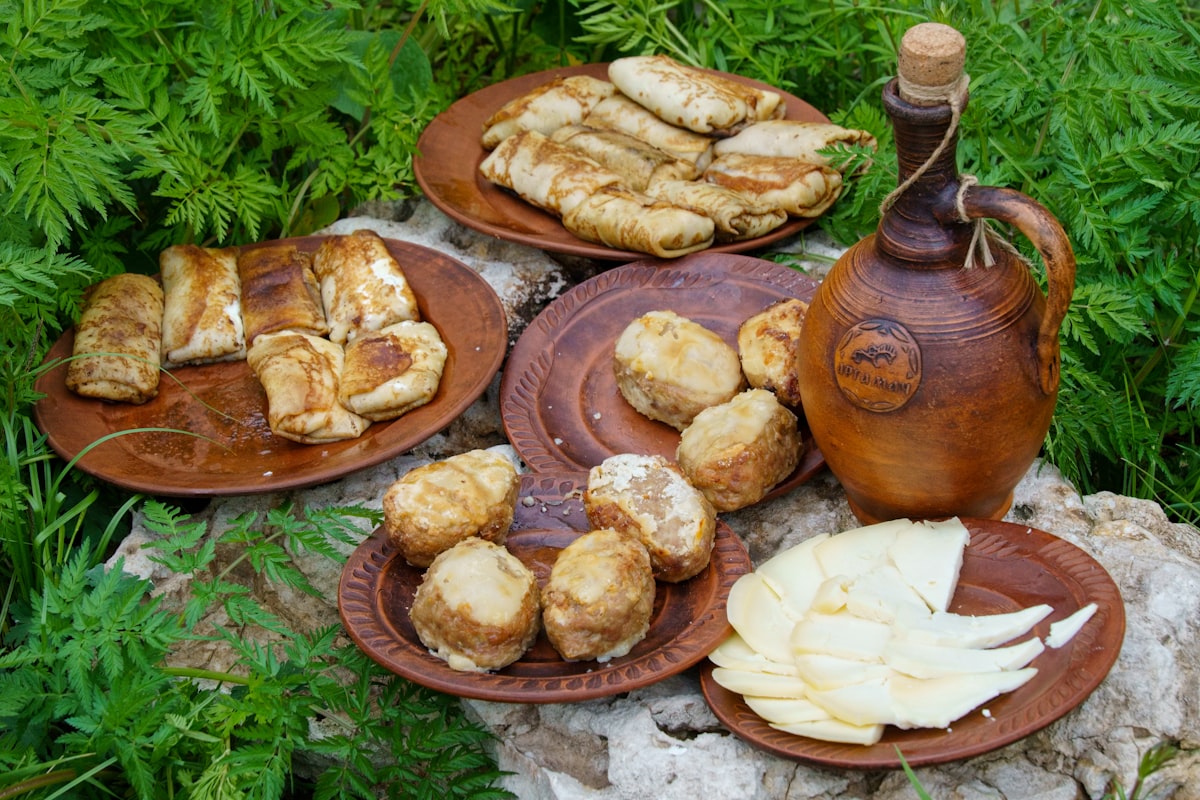
Typical Local Food Categories
- Pirozhki – small stuffed pies filled with meat, cabbage, or mushrooms.
- Shashlik – grilled skewered meat, often served with fresh vegetables.
- Tula Honey Cake – a sweet layered cake infused with local honey.
- Kholodets – a savory jellied meat dish, popular in winter.
- Borscht – beetroot soup, a staple across Russia.
Transportation Overview
- By Train: Tula is connected to Moscow by regular commuter trains, taking about 1.5–2 hours.
- By Bus: Several regional buses depart daily from Moscow’s Komsomolskaya Square, arriving in Tula in roughly 2 hours.
- By Car: The M4 highway links Tula to Moscow; the drive takes around 2 hours depending on traffic.
- Within the City: Tula has a modest public bus network, and walking is a pleasant way to explore the historic center.
Where to Stay
For accommodation, consider a range of options from budget-friendly hostels to upscale hotels. Many travelers prefer staying near the Kremlin for easy access to attractions.
Practical Tips
- Language: Russian is the official language; English is spoken in tourist areas.
- Currency: Russian Ruble (RUB). ATMs are widely available.
- Safety: Tula is generally safe for tourists; standard precautions apply.
- Connectivity: Free Wi‑Fi is available in many cafés and public spaces.
Frequently Asked Questions
What is the best time to visit Tula?
The best time to visit Tula is from May to June and September to October. During these months the weather is pleasant, outdoor activities are enjoyable, and the city is less crowded.
Is Tula safe for tourists?
Yes, Tula is considered safe for tourists. Like any city, stay aware of your surroundings, keep valuables secure, and follow local advice.
How much does a day in Tula cost?
A typical day can range from budget-friendly to mid-range. Budget travelers can spend around $30–$50, while mid-range visitors might spend $60–$100, depending on dining and activities.
What language do locals speak?
Russian is the primary language. English is commonly understood in tourist areas, especially among younger residents.
Featured Snippet
Is Tula worth visiting? Absolutely – its historic Kremlin, rich culinary traditions, and welcoming atmosphere make it a must‑see destination for travelers seeking authentic Russian culture.
[IMAGE: famous landmark in Tula